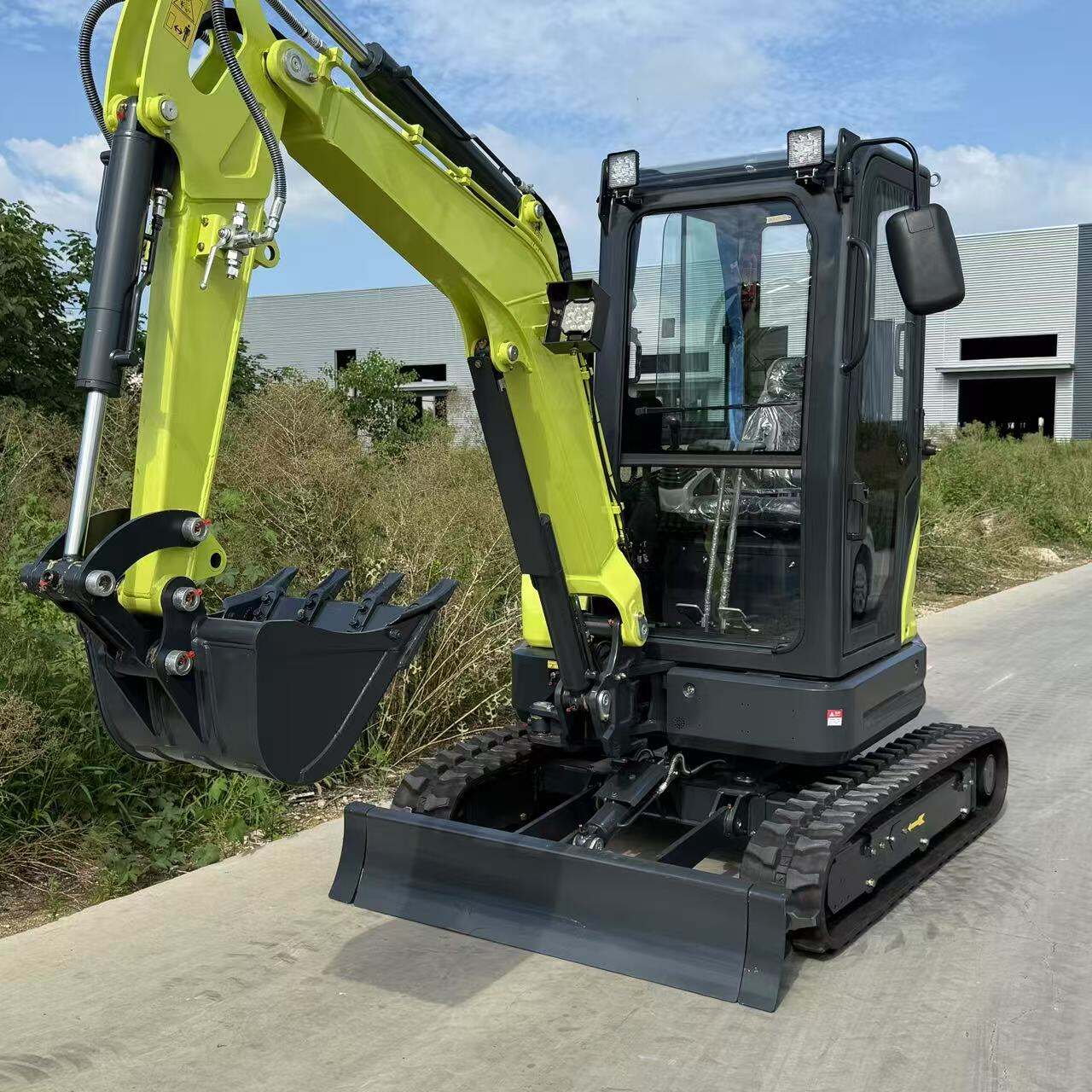

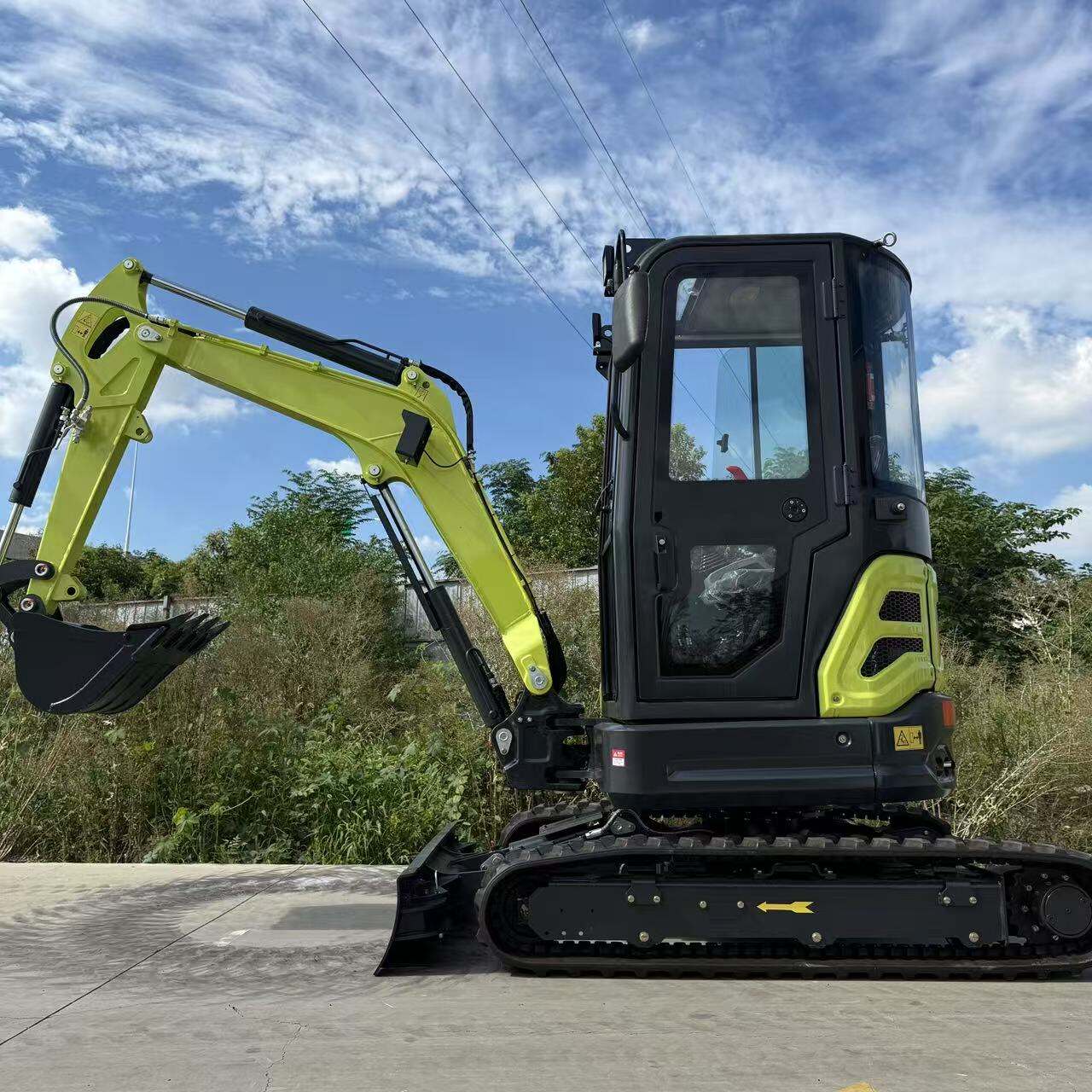
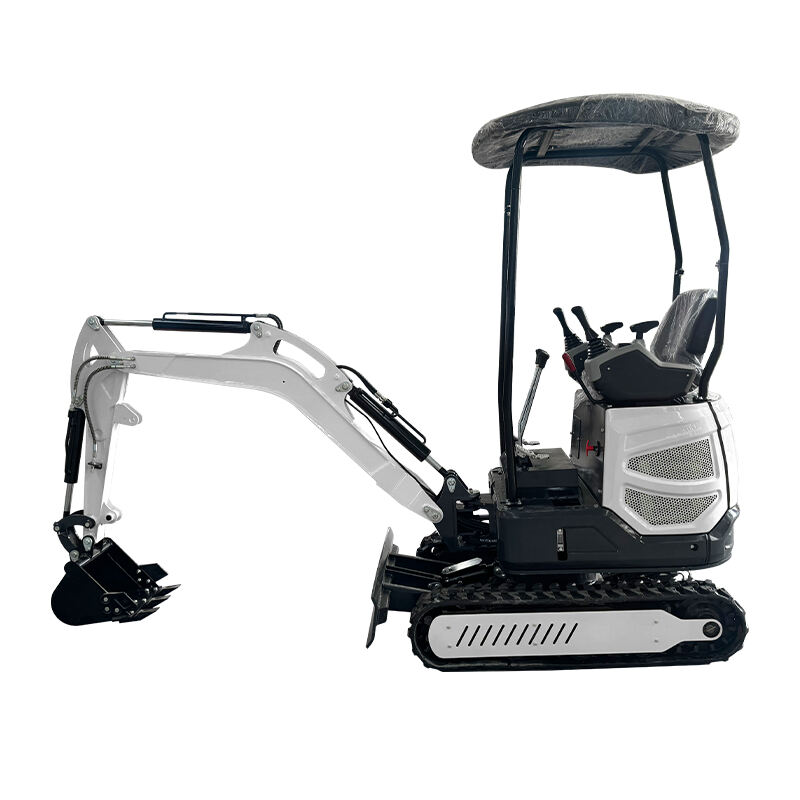
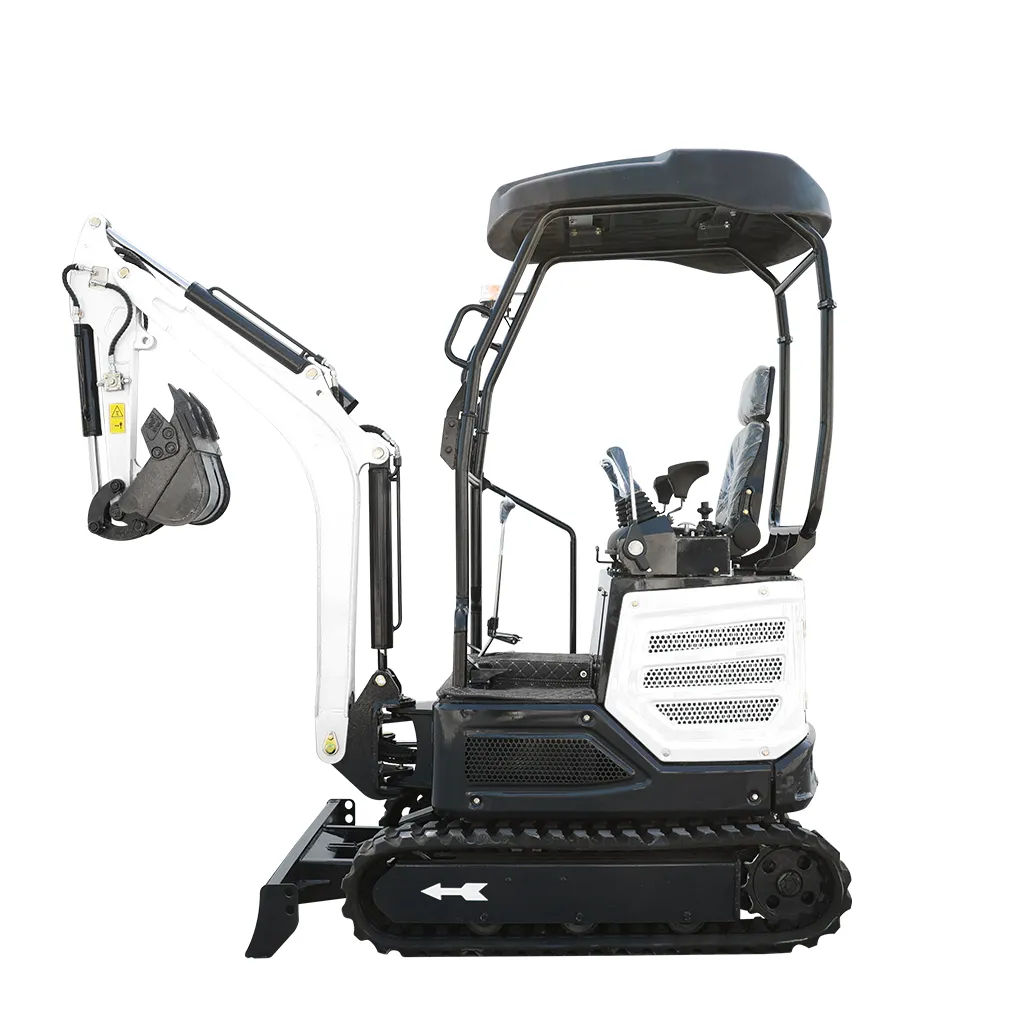
Transporting a mini excavator safely and legally requires careful planning and adherence to equipment and road safety regulations. The primary step is selecting an appropriate trailer that matches the weight and dimensions of the excavator, ensuring it has a sufficient weight capacity and deck space to accommodate the machine with its tracks or wheels properly positioned. The trailer must be equipped with functional brakes, lights, and securement points. Before loading, measure the combined weight of the excavator and trailer to ensure it does not exceed the towing capacity of your truck or vehicle. The loading process should be done on level ground, using the excavator's own power or ramps to slowly and carefully board the trailer. Once on the trailer, the machine must be securely fastened using grade-70 transport chains, binders, and load straps rated for the weight. Critical securement points are the excavator's undercarriage or designated tie-down loops—never use the boom or bucket as a primary securement point. The tracks should be blocked to prevent any rolling movement during transit. Finally, the bucket or any other attachments should be secured and the boom locked in place according to the manufacturer's instructions. It is also crucial to ensure the transport width, height, and length comply with local road regulations. For detailed guidance on transport procedures specific to our equipment models, please contact our customer service team for advice and support.