
 EN
EN
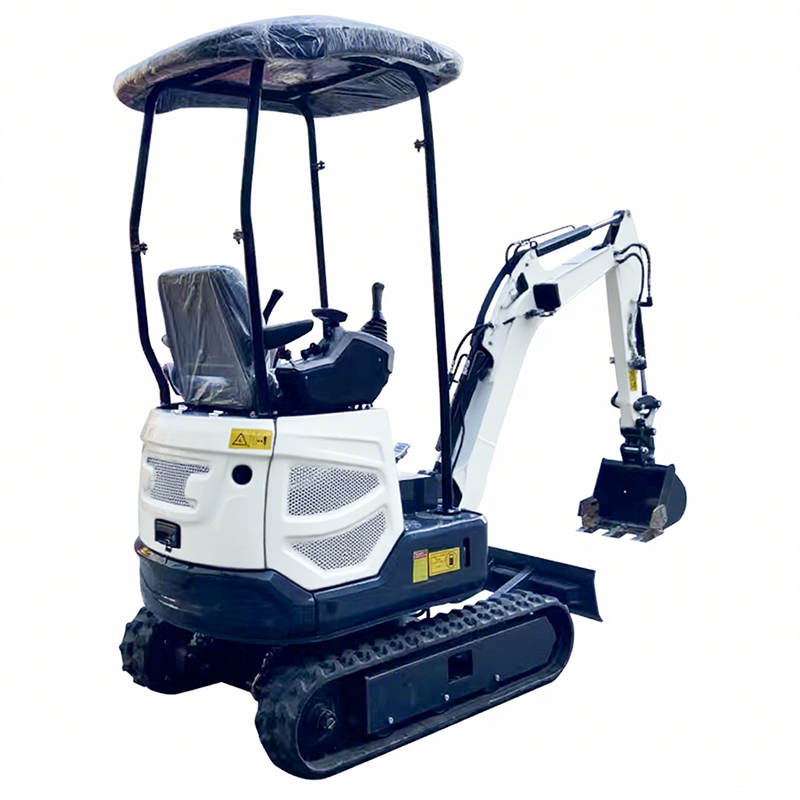
Why Choose a 2 Ton Excavator? Key Design Advantages
Zero-tail swing and ultra-compact footprint for tight urban and indoor sites
The 2 ton excavator is engineered specifically for confined spaces, with zero-tail swing as its defining feature. Its counterweight never extends beyond the track width during rotation—enabling safe, full 360° operation flush against walls, foundations, or barriers without risk of damage. Combined with an ultra-compact footprint (typically under 1.5 meters wide) and overall length under 3.5 meters, it navigates narrow gates, doorways, and alleyways inaccessible to larger machines. With a tail swing radius constrained to just 200 millimeters from the track edge, operators dig and dump entirely within their own footprint—a capability critical for backyard landscaping, interior demolition, and utility trenching along property lines. This design eliminates manual labor in spaces where full-sized excavators can’t fit, directly boosting productivity and cutting site preparation costs by avoiding extensive clearing or protective measures.
Low ground pressure (<20 psi) and Tier 4 Final fuel-efficient engine
Despite its digging power, the 2 ton excavator exerts less than 20 psi of ground pressure—comparable to a walking adult—making it safe for sensitive surfaces like turf, finished concrete, or soft soil without rutting or compaction. Landscape contractors routinely use it on established lawns without temporary mats, while its low-pressure mobility extends workable days in wet or unstable terrain. Powering this efficiency is a Tier 4 Final diesel engine that meets stringent EPA emissions standards while delivering 3–5 liters per hour fuel consumption under typical loads. Advanced electronic controls and high-precision fuel injection ensure consistent torque across variable loads—so operators gain efficiency without sacrificing responsiveness. The engine also runs significantly quieter and cleaner than legacy models, reducing noise complaints in residential neighborhoods.
Ergonomic ROPS/FOPS cab with intuitive joystick controls and adjustable seating
Operator comfort and safety are foundational to sustained productivity—and the 2 ton excavator’s cab reflects that priority. Certified to ROPS (Roll-Over Protective Structure) and FOPS (Falling Object Protective Structure) standards, it provides essential structural protection, while its sealed design minimizes dust and noise intrusion. Pilot-operated joystick controls deliver precise, low-effort response with natural hand movement, reducing fatigue during repetitive cycles. The seat adjusts fore-aft and reclines to suit diverse operator sizes; armrests and joysticks move in unison to maintain optimal ergonomics throughout the shift. Large, unobstructed windows offer panoramic visibility—critical when working near buried utilities or adjacent structures. Optional features like rubber-belted undercarriages dampen vibration, while standard heating and defrosting systems support year-round usability. A canopy enclosure option adds weather protection without compromising the low overhead clearance needed for indoor or under-eave access.
2 Ton Excavator Performance: Digging Depth, Force, and Real-World Limits
Standard specs: 2.7 m max digging depth, 0.025–0.04 m³ bucket, 8–12 kN breakout force
A 2 ton excavator delivers balanced performance for small-scale earthmoving: maximum digging depth reaches 2.7 meters (8.9 feet), sufficient for most utility trenches and shallow foundation work. Bucket capacity ranges from 0.025 to 0.04 cubic meters—ideal for controlled material handling without overloading the hydraulics. Breakout force spans 8–12 kN, enabling reliable penetration into loose soils, sand, and medium clays. Operators can further optimize output by selecting bucket widths suited to conditions: narrower buckets concentrate force in tougher ground, while wider options increase volume in soft, cohesive soils. This adaptability supports steady cycle times and consistent production on typical job sites—without straining the machine or demanding excessive operator input.
When performance falls short: Challenges in rocky, frozen, or heavily compacted soil
Performance limits become apparent in challenging ground conditions. Rocky soils exceed the machine’s breakout capacity, accelerating wear on bucket teeth and hydraulic components. Frozen ground resists penetration entirely—requiring pre-heating, mechanical breaking, or alternative equipment. Similarly, heavily compacted layers—such as old road base or dense clay fill—significantly slow progress, extending cycle times and reducing effective output. Recognizing these constraints allows site managers to proactively adjust plans: scheduling heavier equipment for tough strata, deploying specialized attachments like rippers, or sequencing excavation to avoid bottlenecks. Doing so preserves machine longevity and maintains project timelines.
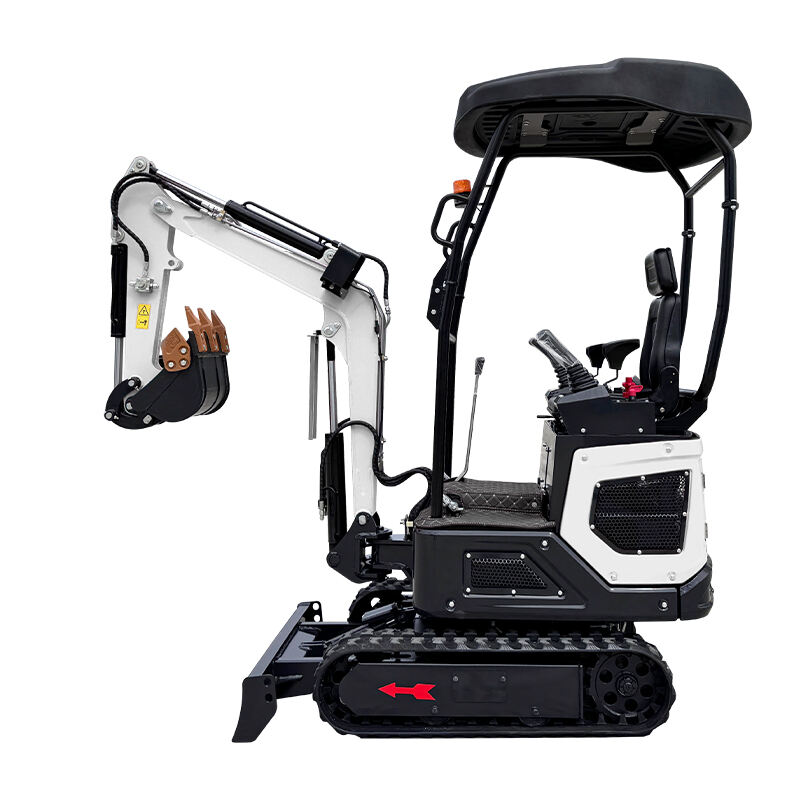
Top Applications Where a 2 Ton Excavator Delivers Maximum ROI
A 2 ton excavator delivers strong return on investment across several high-value applications. In residential construction, it handles foundation excavation and backyard renovations while slipping effortlessly through standard property gates—eliminating the need for costly hand labor or mini-crane support. Landscapers leverage its zero-tail-swing design to install ponds, grade soil, and plant large trees without disturbing nearby hardscapes or structures. For utility work, it enables fast, minimally disruptive trenching along property lines or municipal easements—reducing restoration time and community impact. Interior demolition and renovation inside existing buildings benefit equally: its compact size minimizes cleanup, protects finished floors and walls, and avoids structural modifications for entry. Add in low operating costs—driven by fuel-efficient Tier 4 Final power and easy transport—and the 2 ton excavator becomes a cost-effective solution wherever larger machines would be inefficient or impractical.
Attachment Compatibility and Multi-Function Versatility
The 2 ton excavator stands out for its exceptional versatility—enabled by standardized quick-connect hydraulic interfaces that let operators switch between augers, hydraulic breakers, grading buckets, and compactors in minutes. This rapid interchangeability transforms a single machine into a multi-functional platform, allowing up to three distinct tasks—such as fence post installation, concrete demolition, and precision grading—to be completed within one work shift. Minimal training is required to operate even complex attachments safely, thanks to intuitive control integration and consistent hydraulic response. As a result, contractors achieve higher equipment utilization, reduce idle time, and accelerate project completion—turning attachment flexibility into measurable operational advantage.