
 EN
EN
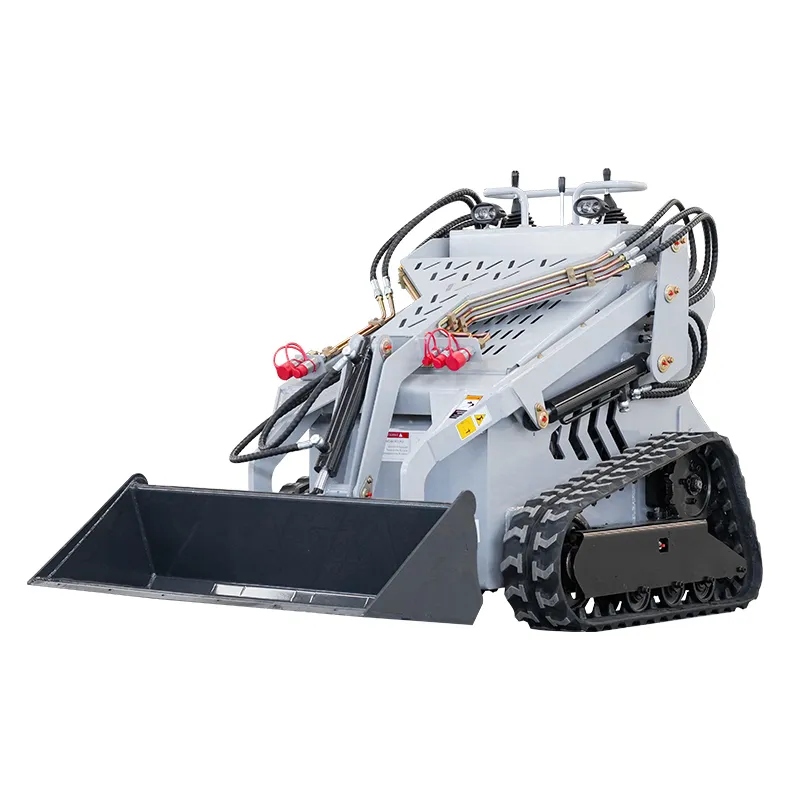
Match Loader Type to Terrain and Jobsite Conditions
Wheel Loader vs. Compact Track Loader: Ground Pressure, Traction, and Surface Sensitivity
Choosing between wheel loaders and Compact Track Loaders (CTLs) starts with terrain. Wheel loaders excel on stable, hard surfaces—paved roads, compacted gravel, or well-drained soils—where their higher travel speeds and simpler steering deliver efficiency. CTLs, however, distribute weight across a larger contact area, reducing ground pressure by up to 30% compared to similarly sized wheeled machines. This advantage translates directly to superior traction and minimal surface disruption on soft, uneven, or sensitive ground—like wet clay, loose topsoil, or newly graded lawns. Field reports consistently show CTLs maintain forward motion where wheeled units slip or sink, making them the preferred choice when site preservation and all-weather mobility are priorities.
Evaluating Slopes, Mud, Gravel, and Confined Spaces for Optimal Loader Mobility
Terrain-specific risks dictate loader selection—not preference or habit. Key considerations include:
- Slopes & Inclines: CTLs offer greater stability on grades exceeding 20° due to lower center of gravity and continuous track contact. Wheeled loaders require careful load management and counterweighting on steep terrain to avoid tipping.
- Muddy Terrain: Lower ground pressure and even weight distribution help CTLs resist sinkage in saturated conditions—reducing post-job cleanup and minimizing soil compaction damage.
- Gravel & Loose Surfaces: Wheel loaders handle coarse, stable aggregate well—but high-speed operation increases risk of destabilization and material displacement. Controlled speed and proper tire pressure are essential.
- Confined Spaces: Compact track loaders often outperform wheeled models in tight urban lots, narrow gateways, or densely wooded areas thanks to zero-turn capability and tighter turning radii.
Hard, flat surfaces favor wheel loaders; unstable, variable, or sensitive sites demand track-based solutions. Always assess ground composition, access constraints, and slope angles before selecting equipment.
Align Loader Performance Specifications with Project Demands
Lifting Capacity, Operating Weight, and Stability Across Variable Outdoor Environments
Lifting capacity and operating weight are interdependent factors that govern real-world stability—especially on uneven or yielding terrain. A heavier machine may compromise traction on soft ground by increasing sinkage, while an under-ballasted unit can tip more easily on slopes. Rated Operating Capacity (ROC)—typically 1,000–4,200 lbs for compact loaders—is not a universal safe limit; it assumes level, firm ground and specific attachment configurations. Stability also hinges on wheelbase length, counterweight design, and hydraulic system response. For example, short-wheelbase loaders demand extra caution when lifting near full ROC on inclines. Always consult the manufacturer’s stability rating charts for your typical jobsite conditions—not just the spec sheet. High hydraulic flow (30–40 gpm) enables demanding attachments like mulchers or augers, but requires proportionally higher engine output—impacting fuel consumption and long-term operating costs. Matching these specs to surface sensitivity—such as avoiding high-ground-pressure operation on freshly seeded or graded soil—prevents costly downtime and landscape damage.
Right-Sizing Your Loader: Matching Machine Class to Project Scale and Frequency
Right-sizing avoids both overcapacity waste and performance risk. Compact loaders (ROC < 2,000 lbs) suit light-duty tasks—residential landscaping, small-scale grading, or seasonal maintenance. Mid-size units (ROC 2,000–3,500 lbs) reliably handle daily excavation, backfilling, and material handling on medium commercial or municipal sites. Large compact loaders (ROC > 3,500 lbs) are engineered for sustained, heavy-cycle work—quarry loading, major earthmoving, or infrastructure prep. Oversizing inflates fuel use, accelerates wear, and raises insurance and transport costs; undersizing invites overloading, reduced hydraulic responsiveness, and safety violations. A proven guideline: select a loader whose typical payload stays within 80% of its rated ROC. This margin preserves stability, extends hydraulic component life, and accommodates variable loads without compromising control. Likewise, project frequency informs durability requirements—daily operators benefit from reinforced axles, sealed pivot points, and extended-service-interval hydraulics.
Enhance Outdoor Loader Versatility with Purpose-Built Attachments
A standard loader transforms into a multi-role platform with purpose-engineered attachments—especially critical on unpaved, variable-grade outdoor sites.
Top Attachments for Landscaping, Excavation, and Material Handling on Unpaved Sites
General-purpose buckets remain foundational for loading soil, gravel, and sand. Multi-function (4-in-1) buckets add dozing, grading, clamping, and dumping versatility—eliminating the need for separate grading or handling equipment. Pallet forks provide secure, balanced lifting of stone, timber, or sod pallets—even on slight grades. Grapples excel at clearing brush, boulders, and debris from rough, uneven terrain where precision and grip matter most. Hydraulic augers deliver consistent, depth-controlled drilling for fencing posts or tree planting—without walking the machine through soft ground. Trenchers cut uniform, clean utility or irrigation trenches with minimal spoil displacement. Compactor plates attach quickly and deliver high-frequency impact for rapid soil consolidation—replacing hours of manual rolling or tamping. All major OEM attachments feature standardized quick-coupler systems, enabling tool changes in under two minutes. Strategic attachment selection reduces fleet complexity, lowers capital and storage costs, and improves operator safety across diverse outdoor applications.
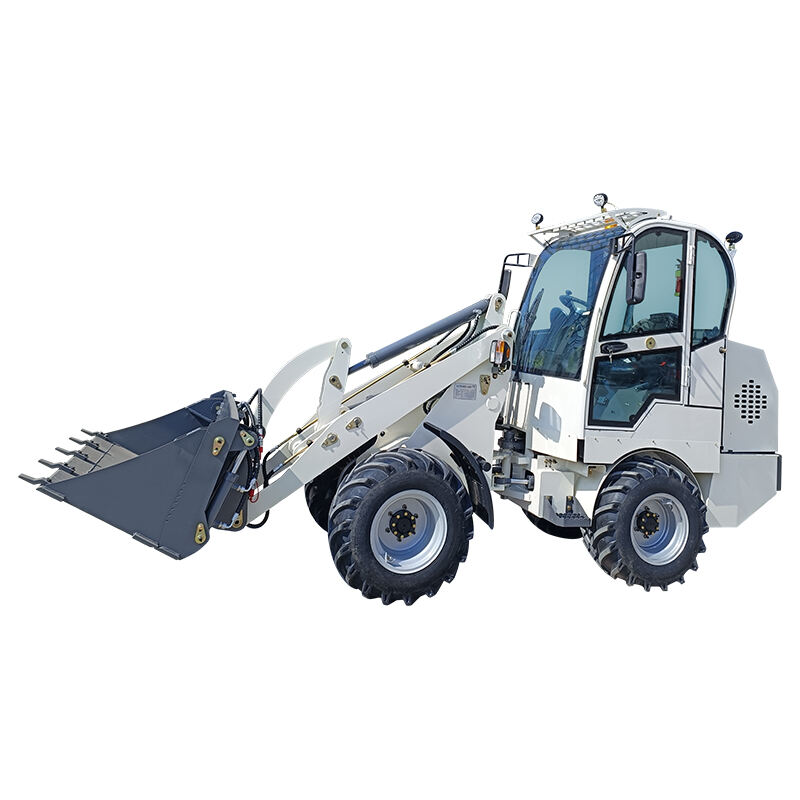
Optimize Total Cost of Ownership and Long-Term Loader Reliability
Total Cost of Ownership (TCO) goes far beyond purchase price—it encompasses fuel, scheduled maintenance, unscheduled repairs, downtime, and residual value over the machine’s service life. Durable loaders built with high-grade components—such as hardened final drives, sealed hydraulic valves, and corrosion-resistant undercarriages—experience fewer failures, lower repair frequency, and stronger resale value. Operators trained in manufacturer-recommended maintenance intervals and fluid specifications significantly extend service life and prevent premature wear. Proactive practices—like daily track tension checks on CTLs or tire inflation audits on wheeled units—prevent cascading failures. Prioritizing build quality and serviceability at acquisition pays measurable dividends: fewer breakdowns during peak season, predictable maintenance budgets, and retained asset value after five-plus years of demanding outdoor use.
FAQ
What is the primary difference between wheel loaders and compact track loaders?
Wheel loaders are best suited for stable, hard surfaces due to their speed and ease of operation. Compact track loaders excel on soft, uneven, or sensitive terrains and provide less surface disruption.
How can I choose the right loader for slopes and inclines?
Compact track loaders generally offer greater stability on slopes and inclines due to their lower center of gravity and continuous track contact. Wheeled loaders require careful load management on steeper terrain to avoid tipping.
What is the recommended Rated Operating Capacity (ROC) guideline?
It is recommended to keep typical payloads within 80% of the loader’s rated ROC for improved stability and component longevity.
How do attachments improve outdoor loader versatility?
Attachments such as multi-function buckets, pallet forks, grapples, and hydraulic augers expand loader functionality for tasks like landscaping, excavation, and material handling.
What factors influence the total cost of ownership for loaders?
Factors include fuel consumption, scheduled maintenance, repair frequency, downtime, and residual value. Proper training and regular checks can decrease ownership costs.
Table of Contents
- Match Loader Type to Terrain and Jobsite Conditions
- Align Loader Performance Specifications with Project Demands
- Enhance Outdoor Loader Versatility with Purpose-Built Attachments
- Optimize Total Cost of Ownership and Long-Term Loader Reliability
-
FAQ
- What is the primary difference between wheel loaders and compact track loaders?
- How can I choose the right loader for slopes and inclines?
- What is the recommended Rated Operating Capacity (ROC) guideline?
- How do attachments improve outdoor loader versatility?
- What factors influence the total cost of ownership for loaders?