
 EN
EN
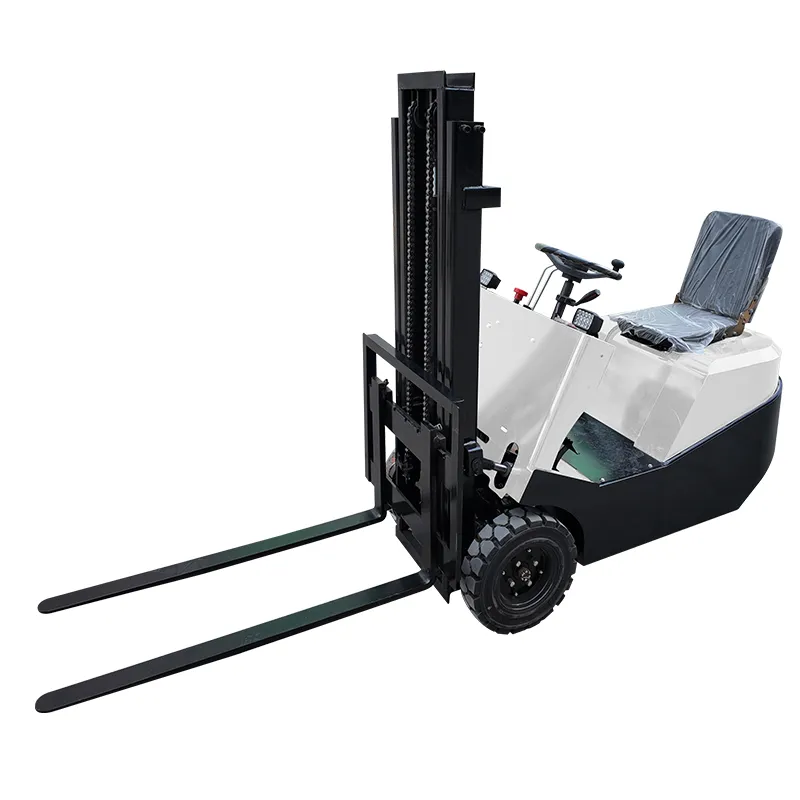
Lithium-Ion Battery Technology: The Core Advantage of Modern Electric Forklifts
The transition from lead-acid to lithium-ion batteries represents the most significant technological leap in electric forklift design. Lithium-ion batteries deliver higher energy density, faster charging, and drastically reduced maintenance—directly translating into lower total cost of ownership (TCO) and higher operational uptime. Modern electric forklifts integrate the battery into the chassis from the design stage, improving ergonomics, counterbalancing, and maneuverability.
Lifespan, Charging Speed, and TCO: Why Lithium-Ion Outperforms Lead-Acid in Electric Forklift Applications
Lithium-ion batteries typically last two to four times longer than lead-acid alternatives, with a lifespan of 2,000 to 3,000 full charge cycles versus 500 to 1,000 for lead-acid. Charging speed is equally transformative: a lithium-ion battery can be fully charged in 1–2 hours, while lead-acid requires 8+ hours plus a mandatory cooling period. This eliminates the need for battery swapping and reduces the number of batteries required per truck. Though upfront costs are higher, lithium-ion delivers up to 30% greater energy efficiency (~95% vs. ~75% for lead-acid), zero maintenance (no watering or equalizing), and a typical payback period under two years in multi-shift operations.
| Feature | Lithium-Ion | Lead-Acid |
|---|---|---|
| Cycle life | 2,000–3,000 cycles | 500–1,000 cycles |
| Charge time | 1–2 hours | 8+ hours + cooling |
| Energy efficiency | ~95% | ~75% |
| Maintenance | None | Watering, equalizing, cleaning |
| Opportunity charging | Yes (no memory effect) | No (must fully cycle) |
Battery Management Systems and Opportunity Charging for Uninterrupted Electric Forklift Uptime
Advanced Battery Management Systems (BMS) are integral to lithium-ion electric forklifts, continuously monitoring cell voltage, temperature, and state of charge to prevent overcharging, overheating, or deep discharge. This intelligence enables opportunity charging — operators can plug the forklift into any standard outlet during breaks, lunch, or short pauses without damaging the battery or reducing its lifespan. Unlike lead-acid batteries, lithium-ion tolerates partial charges seamlessly. The BMS also communicates with the forklift’s controller to optimize power delivery, extending driving time per charge and reducing thermal stress. In high-density warehouses, opportunity charging can eliminate dedicated battery rooms and reduce the total number of batteries needed by up to 40%, directly improving both floor space utilization and operational uptime.
Zero-Emission Operation: How Electric Forklifts Enhance Indoor Air Quality and Workplace Safety
Eliminating Combustion Byproducts in Enclosed Warehouses and Distribution Centers
Electric forklifts produce zero tailpipe emissions, making them the ideal choice for enclosed warehouses and distribution centers where air quality is critical. Unlike internal combustion engine (ICE) models that emit carbon dioxide (CO₂), nitrogen oxides (NOx), and carbon monoxide (CO), electric units eliminate these harmful byproducts entirely. This removal of combustion gases directly reduces the risk of respiratory illnesses among operators and staff. Cleaner air is especially vital when handling sensitive goods like food, pharmaceuticals, or electronics—categories governed by strict air quality standards to prevent contamination. Facilities using electric forklift fleets consistently report healthier, more productive environments, with measurable reductions in health-related absenteeism and improved long-term employee satisfaction.
Noise Reduction Below 65 dB: Reducing Operator Fatigue and Meeting OSHA/ISO Acoustic Standards
Beyond clean air, electric forklifts significantly lower workplace noise pollution. Most modern electric models operate below 65 decibels (dB), a stark contrast to the 80–90 dB range typical of diesel or propane-powered units. This quieter operation directly reduces operator fatigue and stress, enabling clearer communication between team members—a key factor in preventing accidents. Maintaining noise levels under 85 dB helps facilities comply with OSHA acoustic standards and ISO 9241-210 guidelines for hearing conservation and human-centered design. By eliminating the loud engine rumble, warehouses and distribution centers become safer, less distracting environments for everyone on the floor—supporting both worker well-being and operational safety.
Intelligent Performance: Energy Efficiency, Agility, and Operator-Centric Design in Electric Forklifts
Regenerative Braking and Power Optimization: Up to 25% Energy Recovery in Multi-Shift Electric Forklift Use
Modern electric forklifts incorporate regenerative braking systems that recover kinetic energy during deceleration and convert it back into stored power. This technology recaptures up to 25% of the energy normally lost as heat, significantly extending battery life per charge. In multi-shift operations—where equipment runs continuously—this energy recovery reduces overall electricity consumption and lowers total cost of ownership. Power optimization algorithms further fine-tune motor output based on load weight and travel speed, preventing unnecessary drain. The result is consistent peak performance across long shifts while cutting energy waste. Operators benefit from smoother deceleration, reduced brake wear, and fewer charging interruptions.
Compact Footprint and Tight Turning Radius: Enabling High-Density Storage with Narrow-Aisle Electric Forklifts
The compact design of today’s electric forklifts allows them to navigate narrow aisles with ease. A tight turning radius—often under 1.5 meters—enables precise maneuvering in constrained warehouse layouts, making high-density storage configurations feasible. Warehouses can add more rack rows without widening aisles, increasing storage capacity by up to 30% in some facilities. The electric drivetrain delivers instant torque for quick acceleration and gentle handling, reducing product damage. Combined with ergonomic controls like adjustable armrests and fingertip hydraulics, these agile machines boost operator confidence and productivity. For any facility aiming to maximize square footage, narrow-aisle electric forklifts provide a practical path to denser, more efficient storage.
Connected Fleet Management: Telematics and Predictive Intelligence for Electric Forklift Operations
Electric forklifts are increasingly integrated with IoT-enabled telematics systems, transforming them into smart, connected assets within the warehouse ecosystem. These systems collect real-time data on location, utilization patterns, battery status, and operational health—providing fleet managers with actionable insights to optimize warehouse processes. Predictive intelligence, powered by machine learning algorithms, analyzes this data to anticipate maintenance needs before failures occur, reducing unplanned downtime by up to 30%. Managers leverage live dashboards to enhance operator scheduling, improve battery swap timing, and reinforce safer driving behaviors—translating raw data into tangible productivity gains and significant cost savings across extensive electric forklift fleets.
FAQ
1. Why are lithium-ion batteries better for electric forklifts than lead-acid batteries?
Lithium-ion batteries offer higher energy efficiency (~95% vs. ~75%), faster charging times (1-2 hours vs. 8+ hours), longer cycle life (2,000–3,000 cycles vs. 500–1,000 cycles), and zero maintenance compared to lead-acid batteries.
2. What is opportunity charging, and how does it benefit electric forklift operations?
Opportunity charging allows lithium-ion forklifts to be charged during breaks without impacting battery lifespan. This eliminates the need for battery swapping and enhances uptime.
3. How do electric forklifts improve air quality in indoor facilities?
Electric forklifts produce zero emissions, reducing harmful gases like CO₂, NOx, and CO, thereby enhancing air quality and ensuring compliance with safety standards for sensitive goods.
4. What is regenerative braking in electric forklifts?
Regenerative braking recycles energy during deceleration, storing it in the battery. This recaptured energy extends battery runtime and reduces wear on brake components.
5. How do telematics systems optimize electric forklift operations?
Telematics systems collect real-time data, enabling predictive maintenance, improved scheduling, and safer driving behaviors, which reduce downtime and operational costs.
Table of Contents
- Lithium-Ion Battery Technology: The Core Advantage of Modern Electric Forklifts
- Zero-Emission Operation: How Electric Forklifts Enhance Indoor Air Quality and Workplace Safety
- Intelligent Performance: Energy Efficiency, Agility, and Operator-Centric Design in Electric Forklifts
- Connected Fleet Management: Telematics and Predictive Intelligence for Electric Forklift Operations
- FAQ