
 EN
EN
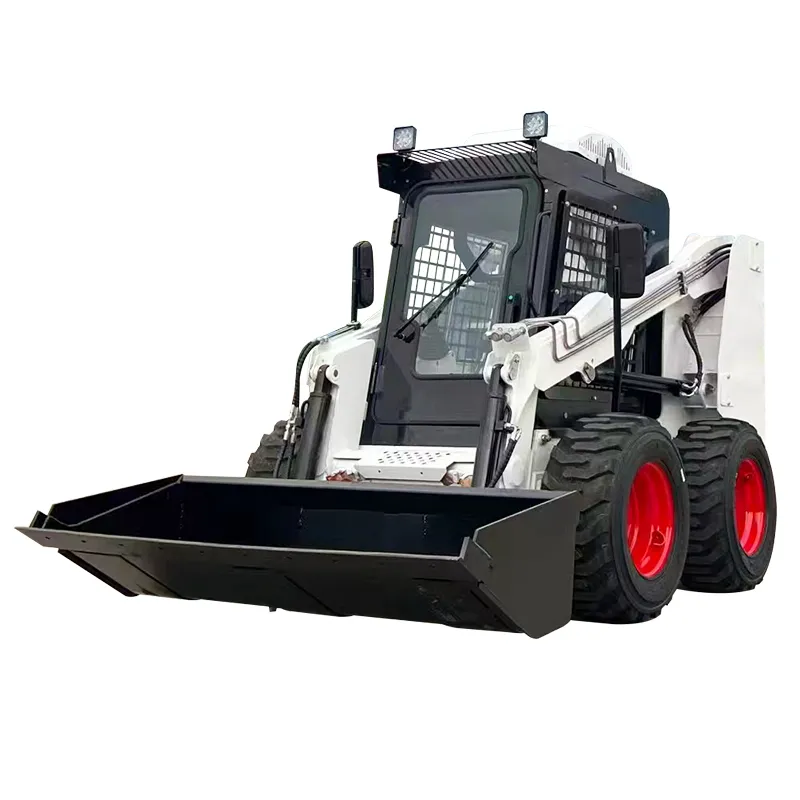
Daily Rideon Skid Steer Inspections to Prevent Catastrophic Failure
Fluid Level Checks and Contamination Prevention
A five-minute daily fluid check is one of the most cost-effective safeguards against catastrophic failure. Before the first start of the day, inspect engine oil using the dipstick—low levels accelerate bearing wear and risk engine seizure. Next, verify coolant level in the reservoir; consistent volume prevents overheating during heavy digging or extended operation. Hydraulic fluid demands equal attention: low levels cause jerky attachment response and pump cavitation, a leading cause of premature hydraulic system failure. Wipe the dipstick with a clean rag each time—dirt ingress is a top contributor to seal degradation. Look for milky discoloration or water droplets, which signal coolant or condensation contamination. If fluid levels drop repeatedly without visible external leaks, schedule a pressure test of both cooling and hydraulic circuits. Also drain the fuel/water separator regularly to prevent injector damage from water-laden fuel. Maintaining a simple log of daily readings helps identify subtle trends—like gradual fluid loss—before they escalate into costly failures.
Tire Pressure, Track Tension, and Undercarriage Debris Clearance
Tires and tracks are the sole interface between machine power and ground traction—so incorrect pressure or tension directly compromises safety, efficiency, and component life. For wheeled models, use a calibrated tire gauge to confirm each tire meets the manufacturer’s specified PSI. Underinflation causes excessive sidewall flexing and heat buildup; overinflation reduces contact patch and accelerates center-tread wear. On tracked units, measure track sag at the midpoint between front and rear idlers—too tight stresses bearings and drive motors, while too loose increases derailment risk during turns. After checking, walk fully around the machine and remove mud, rocks, wire, or vegetation lodged in the undercarriage. Debris packed between sprockets or around rollers accelerates seal wear and can snap track chains. Use a pry bar or low-pressure wash for stubborn buildup. A clean undercarriage improves steering responsiveness, reduces fuel consumption, and extends undercarriage life by hundreds of operating hours—preventing thrown tracks, burst tires, or sudden hydraulic lockups.
Scheduled Preventive Maintenance for Rideon Skid Steer Reliability
50-Hour Service: Filter Replacements and Critical Greasing Points
Every 50 hours, your rideon skid steer requires targeted service to sustain performance and avoid accelerated wear. Replace the engine oil filter and hydraulic return filter—clogged filters restrict flow, increase component temperatures, and degrade hydraulic efficiency. Then lubricate all critical greasing points: loader arm pivot pins, bucket linkage joints, and steering cylinder ends. Use lithium-based grease meeting the OEM’s NLGI grade specification. Always wipe grease fittings clean before applying fresh grease to prevent forcing contaminants into sealed bearings. Missing even one point risks premature bushing failure, misalignment, and unplanned downtime. Keep a dated service log—not just for compliance, but to spot early warning signs like inconsistent grease flow or recurring filter clogging.
250-Hour Service: Hydraulic System Flush and Drive Motor Assessment
At 250 hours, shift from routine maintenance to system-level evaluation. Drain and flush the entire hydraulic circuit to eliminate sludge, metal fines, and oxidized fluid that compromise pump life and valve response. Refill with the hydraulic oil viscosity recommended for your operating climate—using an incorrect grade can starve pumps, trigger cavitation, and cause irreversible internal damage. While the system is drained, inspect drive motors closely: look for oil seepage around seals, detectable play in output shafts, and abnormal noise during slow manual rotation. Any sign of looseness, leakage, or irregular sound warrants immediate rebuild or replacement planning—delaying action risks mid-job failure and collateral damage to driveline components. This proactive step preserves uptime, maintains hydraulic precision, and supports long-term reliability.
Operator Habits That Maximize Rideon Skid Steer Lifespan
The operator’s daily choices have a direct, measurable impact on machine longevity. Disciplined habits reduce thermal and mechanical stress across every major system—extending service intervals and delaying capital replacement.
Cold-Start Protocols and Load-Ramp Best Practices
Cold-starting without proper warm-up significantly accelerates wear on engine bearings and hydraulic seals. Allow the engine to idle at low RPM for three to five minutes before engaging hydraulics—this ensures full oil circulation and brings all fluids to optimal operating temperature. When approaching a load pile, avoid aggressive tire spinning; instead, engage the bucket gradually and smoothly. During load-ramp cycles, accelerate deliberately and avoid abrupt directional shifts. Always load with the machine level and centered—this evenly distributes weight across the undercarriage and minimizes torsional stress on the frame and drive train. These practices collectively reduce shock loading, thermal cycling fatigue, and premature wear—cutting unplanned downtime and preserving critical component life over years of service.
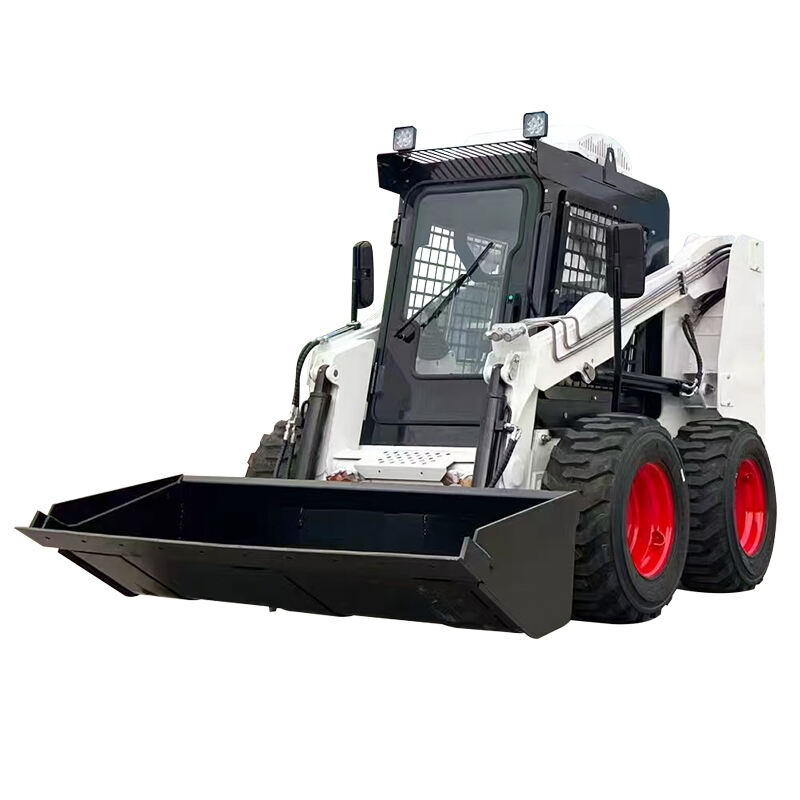
Off-Season Storage and Corrosion Control for Rideon Skid Steer Preservation
Proper off-season storage is essential to protect your investment and ensure reliable spring startup. Begin with a thorough cleaning—especially the undercarriage—to remove salt, mud, organic debris, and other corrosive residues. Store the machine indoors in a cool, dry, covered environment to limit moisture exposure and temperature extremes. Stabilize or drain the fuel system to prevent gumming and microbial growth in stored diesel or gasoline. Disconnect the battery—or connect it to a smart trickle charger—to prevent sulfation and capacity loss. Slightly elevate the machine (e.g., with jack stands) to relieve tire pressure and prevent flat-spotting. Finally, apply fresh grease to all fittings and coat exposed metal surfaces—including pins, linkages, and hydraulic rod ends—with corrosion-inhibiting spray. These steps actively prevent rust formation, fluid breakdown, and mechanical binding—ensuring faster, safer, and more dependable reactivation when work resumes.
FAQ
Why is a daily fluid check important for skid steer maintenance?
Daily fluid checks are crucial to identify low levels or contamination early, preventing issues like engine seizure, overheating, or premature hydraulic system failure.
How often should grease points be serviced?
Critical grease points should be serviced every 50 hours to avoid premature bushing failure, misalignment, and unplanned downtime.
What is the significance of proper tire pressure and track tension?
Correct tire pressure and track tension ensure safety, efficiency, and longevity while reducing the risk of equipment damage or accidents.
What is the recommended procedure for cold-starting a skid steer?
Cold-start a skid steer by idling at low RPM for three to five minutes before engaging hydraulics. This allows full oil circulation and ensures optimal fluid temperatures.
How can off-season storage protect a skid steer?
Off-season storage steps—such as cleaning, stabilizing fuel, disconnecting the battery, and applying corrosion inhibitors—prevent rust, mechanical issues, and ensure reliable spring startup.