
 EN
EN
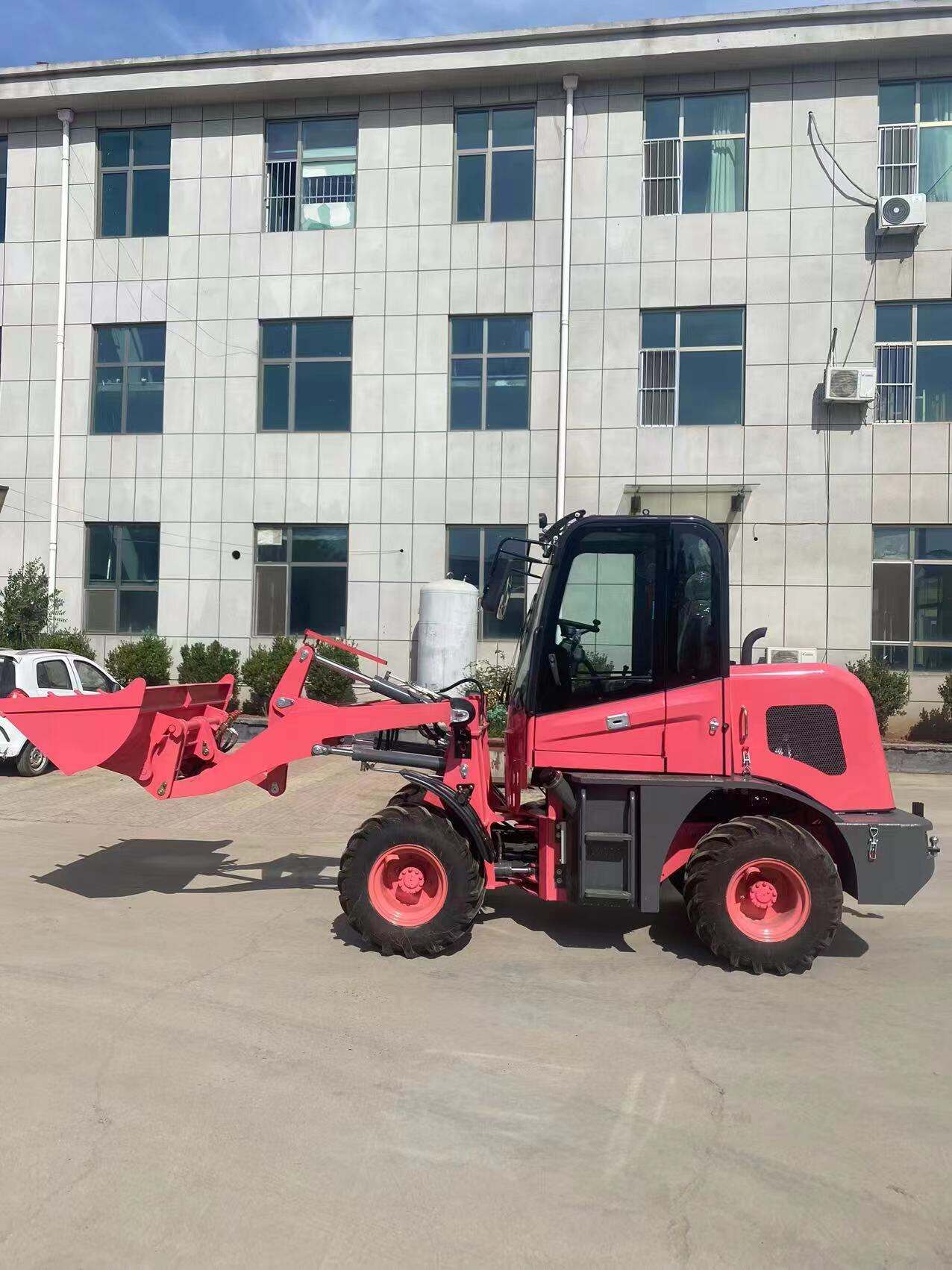
Why Standard Diesel Loaders Fail in Mining Environments
Dust, Grade, and Temperature Challenges: Real-World Failure Modes
Regular diesel loaders get built for everyday industrial work, not the brutal conditions found in mines. Three main problems cause these machines to break down early: dust from the air, really steep hills, and crazy temperature swings. When dust gets inside, it wears out parts faster than normal. Turbochargers last about 40% less time, and fuel injectors start getting clogged after only around 500 hours of running. Going up slopes steeper than 15 degrees puts extra strain on the drivetrain. Machines without modifications tend to have broken differentials and transmissions almost three times more often compared to what happens on level ground. Extreme temperatures make things even worse. Starting engines in freezing weather leads to cold start issues about two thirds more frequently. And when it's super hot in deserts, the hydraulic fluid breaks down, costing companies roughly seven hundred forty thousand dollars each year just from downtime per loader according to research from Ponemon in 2023.
Safety & Compliance Gaps: ISO 45001 and MSHA Implications
Standard diesel loaders just don't cut it when it comes to meeting those strict mining safety rules. Take rollover protection systems for instance they simply aren't built strong enough to handle the rough terrain found on most haul roads, which creates serious danger whenever equipment moves between different slope angles. Another big problem lies in how exhaust systems are designed many ignore the ventilation needs required in tight underground spaces, leading to dangerous carbon monoxide levels that exceed 50ppm this clearly breaks MSHA guidelines. What's worse? Companies trying to upgrade their machines with better filters or seals often end up losing their ISO 45001 certification if proper documentation isn't kept track of during these changes. All these issues keep happening because manufacturers set their machines up assuming everything will be perfectly balanced and predictable something that never actually happens out there in real mines where conditions change constantly from day to day.
Key Customization Areas for Mining-Specific Diesel Loaders
Enhanced Filtration and Sealing for High-Dust Open-Pit and Underground Sites
The dust levels in mining operations can be as much as ten times greater than what's seen in regular industrial workplaces, and this plays a major role in why engines tend to wear out about 78 percent quicker according to NIOSH research from 2023. When it comes to making equipment last longer, proper air management is essential. The system typically starts with cyclonic separators that catch the big dust particles before they get anywhere near the engine components. After that comes HEPA grade filters for the finer stuff. Operator cabins need special attention too. Positive pressure systems keep the inside clean while protecting workers from harmful airborne materials. For parts that see constant action, manufacturers have developed better sealing solutions over time. Gearboxes now feature those maze-like labyrinth seals, and hydraulic cylinders often come with three separate lips instead of just one. These improvements really make a difference in places where silica dust is prevalent. Maintenance shops report seeing service intervals stretch from around 250 hours all the way up to 1,000 hours when these enhanced sealing methods are properly implemented.
Thermal Management and Cold-Start Adaptations for Sub-Zero Operations
The extreme cold of Arctic mining means regular block heaters just won't cut it anymore. When temperatures drop to minus 40 degrees Celsius, equipment failures jump by nearly two thirds according to Mining Journal research from last year, which explains why operators need comprehensive heating strategies for their gear. Specialized mining kits typically include things like electro viscous coolant heaters that keep fluids flowing properly even when frozen, thermal wraps around batteries so they can still deliver enough power to start engines, and those clever EGR bypass valves that stop exhaust pipes from getting clogged with ice buildup. Meanwhile down south in desert conditions, the problem isn't cold but rather overheating. That's why radiators there often have about 40% more surface area than standard models, combined with adjustable speed fans and specially insulated hydraulic lines. These modifications help maintain proper fluid properties and protect seals during those long grueling shifts under scorching sun.
Structural Reinforcement and Payload Optimization for Steep-Grade Hauling
On 30° inclines—common in tier-one copper mines—conventional diesel loaders experience frame stress levels three times higher than rated capacity. Mining-specific reinforcement targets high-stress zones without compromising maneuverability or service access:
| Component | Standard Spec | Mining Customization | Performance Gain |
|---|---|---|---|
| Main Frame | 8mm steel | 12mm boron-reinforced | 90% fatigue life |
| Axle Housings | Cast iron | Forged steel w/ribbing | 55% impact resistance |
| Lift Arms | Box-section | Triangular truss design | 120% torsional stiffness |
Integrated load-sensing hydraulics dynamically adjust bucket curl force based on real-time material density feedback, improving payload accuracy to ±2% and significantly reducing driveline shock during aggressive loading sequences.
How to Define and Validate Your Diesel Loader Customization Scope
Translating Site-Specific Needs into Technical Specifications
Getting started means taking accurate measurements from actual sites first. Need numbers on dust levels in grams per cubic meter, figure out what's the steepest slope angle possible, and track temperature changes during complete operation cycles. These raw numbers need turning into real specs that can be followed. Take note, when there's lots of dust around, we're looking at ISO 4548-4 filters as a must have. For those really steep hills? Axles should handle about 30% extra weight for long periods. Looking back at past load records helps determine just how big the buckets need to be and what kind of hydraulic pressure makes sense. And don't forget something important here: check everything against MSHA Part 46 standards plus relevant parts of ISO 45001. This proactive approach catches compliance issues early on, which saves headaches later when buying equipment.
Digital Twin Simulation for Risk-Free Configuration Testing
With digital twin tech, companies can validate custom setups virtually instead of spending big bucks on physical prototypes and waiting ages for field tests. Engineers run simulations through some pretty tough scenarios too. Think about equipment starting up at -40 degrees Celsius, climbing hills at 20% grade while carrying maximum weight, or operating in dusty environments that would wear down most machines. All during these tests they keep track of how much fuel gets used, where stresses build up in structures, and whether hydraulics respond properly when needed. The system also checks out all those critical safety features, makes sure automated processes work right, and monitors temperature changes across components. According to recent findings from Mining Tech Review last year, adopting this method brings down failures in actual operations by around two thirds and saves about a quarter off what it normally costs to develop customized solutions.
Retrofitting vs. Factory-Customized Diesel Loaders: Cost, Compliance, and Longevity Trade-offs
Retrofitting equipment usually costs around 40 to 60 percent less upfront compared to getting factory customized units, but there are hidden expenses that add up over time. Machines that have been modified tend to fall behind current MSHA standards and ISO 45001 requirements pretty quickly. Companies often end up spending between fifteen thousand and thirty thousand dollars on unexpected compliance work within just three years. The structural changes made during retrofitting, especially to frames and axles, wear out faster when operating on steep terrain which increases safety risks down the road. When manufacturers build custom equipment from scratch, they incorporate mining specific features right from day one like reinforced frames, built in thermal management systems, and certified rollover protection structures. This approach keeps everything compliant from start to finish and typically doubles or triples the service life of standard equipment. Sure, factory built loaders come with a bigger price tag initially, but they pay for themselves through fewer breakdowns, regular maintenance schedules, and complete regulatory compliance. These factors matter a lot in mining where operations are both dangerous and expensive.
FAQ
Why do standard diesel loaders fail in mining environments?
Standard diesel loaders fail due to excessive dust, steep gradients, and extreme temperature fluctuations which lead to mechanical stress and early breakdown.
What are common safety and compliance issues with standard loaders?
Safety and compliance issues include inadequate rollover protection and improper exhaust systems that pose risks and do not align with ISO 45001 and MSHA standards.
How can diesel loaders be customized for mining?
Customizations include enhanced filtration and sealing, thermal management systems, and structural reinforcements tailored for the mining environment.
Is it better to retrofit or buy factory-customized loaders for mining?
While retrofitting is cheaper upfront, factory-customized loaders offer better compliance, longevity, and safety, ultimately paying off in the long term.