
 EN
EN
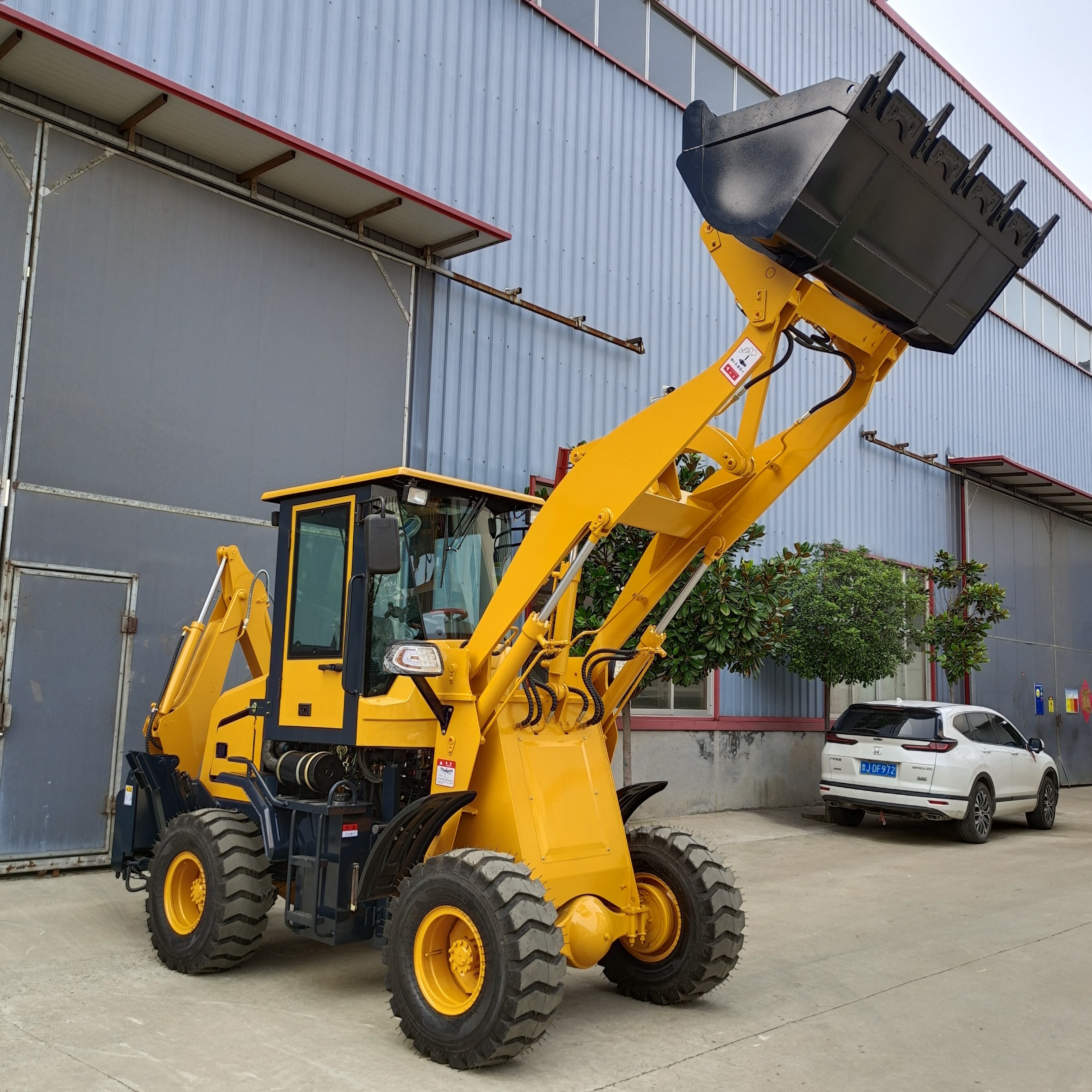
Backhoe Loader Versatility Enables Integrated, Single-Pass Road Repairs
Simultaneous excavation, loading, grading, and backfilling in one machine pass
Backhoe loaders make fixing rural roads much easier since they can do several tasks all at once including digging out damaged sections, loading debris away, grading the soil underneath, and filling trenches right after excavation. No need to switch between different pieces of machinery throughout the job means workers can move straight from clearing damage to putting everything back together without wasting time changing equipment or bringing in extra crew members. These machines combine the usefulness of a front loader with the careful digging ability of an excavator at the back end, so work keeps moving forward even when space is tight on site. According to recent studies published in Rural Infrastructure Journal last year, contractors using backhoes finish their projects about 30 percent quicker than those relying on multiple specialized machines. This speed difference matters a lot in remote locations where getting spare parts delivered takes forever and coordinating transportation for various types of equipment becomes a real headache for project managers.
Rapid function switching via hydraulic articulation and ISO quick-attach couplers
With ISO certified quick attach couplers, operators can swap between different attachments like buckets, breakers and grading blades in less than ninety seconds flat. The hydraulics system gives really good control when working on uneven ground or putting materials where space is limited. Operators love the central control panel with those easy to use joysticks that cut down on learning time when switching from other machines. What this all means is that instead of needing separate equipment for excavation, compaction and grading jobs on narrow roads, crews can get away with just one versatile machine. And according to recent studies published in Infrastructure Journal back in 2023, companies report saving around 42 percent on operating costs per kilometer when they make this switch.
Backhoe Loader Cost-Efficiency Transforms Rural Infrastructure Delivery
42% lower operational cost per kilometer vs. conventional multi-machine fleets
Backhoe loaders actually save money because they combine what would normally take three different machines and their operators. The fuel consumption goes down around 30 percent when using these machines instead of separate equipment. Maintenance gets cheaper too since there are just one engine and set of hydraulics to worry about rather than multiple ones. Labor costs drop dramatically as well because now only one person needs to handle all those jobs that used to require three different specialists working together. According to Infrastructure Journal from last year, this kind of integration cuts operational costs by about 42% for every kilometer worked on. And what does that mean practically? Well, rural development teams can fix almost twice as much road surface area without spending any extra money. That really stretches how far limited infrastructure funds go in communities where budget constraints often limit progress.
Affordable access models: Tiered rentals and shared panchayat pools reduce CAPEX by up to 78%
Innovative ownership models overcome capital barriers without compromising responsiveness. Tiered rental programs let villages pay only for required hours—from emergency pothole repairs at ₹850/hour to full-season contracts below ₹18 lakh annually. Shared panchayat pools distribute acquisition costs across 4–7 neighboring communities, cutting individual capital expenditure by up to 78%.
| Access Model | Cost Reduction | Implementation Scope |
|---|---|---|
| Multi-panchayat pools | 78% CAPEX | 5–7 villages |
| Tiered hourly rentals | 62% vs ownership | Single-project focus |
This financial flexibility allows remote communities to resolve 92% of road defects within 48 hours of detection—accelerating connectivity gains while avoiding debt accumulation.
Backhoe Loader Maneuverability Overcomes Low-Infrastructure Constraints
Compact Footprint and 5.2m Turning Radius Enable Operation on Narrow, Unpaved Shoulders and Ungraded Access Roads
Fixing roads in rural areas always runs into space problems. Paths are too narrow, shoulders tend to be unstable, and getting access is often difficult. Backhoes have smaller bodies and can turn in tight spaces around 5 meters, which makes them perfect for working in these cramped conditions. Big machines just won't fit without creating extra work clearing out staging areas first. Workers can move around easily on dirt edges, dig next to water channels, and fill holes without constantly moving other trucks around. The machine doesn't press down as hard on the ground either, so there's less damage to delicate slopes. When regular construction crews can't get through, backhoes become the real workhorse for keeping remote roads in shape without tearing up the landscape.
Proven Impact: Backhoe Loader Deployment Accelerates Rural Road Rehabilitation Timelines
Bihar Panchayat Roads Project (2022): 63% reduction in pothole-to-pavement cycle time using CAT 434F backhoe loaders
In the 2022 Bihar Panchayat Roads Project, results were pretty impressive when they started using those CAT 434F backhoe loaders instead of traditional approaches. The time it took to fix potholes and lay down pavement dropped around 63%, which is nothing short of remarkable. What made this possible? Well, these machines handled all three main tasks at once excavation, moving materials around, then compacting everything right there on site, all managed by just one person operating the machine. Even in tight spaces where normal equipment would struggle, these compact machines moved through with surprising ease thanks to their design that allows them to turn sharply and navigate tricky spots. Field supervisors saw something else happening too equipment wasn't sitting idle waiting for someone else to finish their part, and teams weren't wasting time coordinating between different pieces of machinery anymore. During monsoons especially, getting roads repaired faster meant farmers could transport crops without delays and emergency services had better access to remote villages. Looking at what happened in Bihar, it seems clear that investing in these specialized backhoes makes sense for places where resources are limited but infrastructure needs remain high.
FAQ
What are the benefits of using backhoe loaders for road repairs?
Backhoe loaders can perform multiple tasks like excavation, loading, grading, and filling in a single machine pass. This reduces the need for multiple pieces of equipment, saves time, and cuts down costs significantly.
How do backhoe loaders cut operational costs?
These machines lower fuel consumption and maintenance costs since they combine functions typically requiring multiple machines. They also reduce labor costs by needing fewer operators.
What is the impact of backhoe loaders on rural road projects?
Backhoe loaders significantly speed up road repair timelines, allowing rural areas to address infrastructure issues quickly and effectively while optimizing limited resources.
How do innovative ownership models help in deploying backhoe loaders?
Ownership models such as tiered rentals and shared pools distribute costs across multiple users or communities, making these machines more affordable and accessible.
Table of Contents
- Backhoe Loader Versatility Enables Integrated, Single-Pass Road Repairs
- Backhoe Loader Cost-Efficiency Transforms Rural Infrastructure Delivery
- Backhoe Loader Maneuverability Overcomes Low-Infrastructure Constraints
- Proven Impact: Backhoe Loader Deployment Accelerates Rural Road Rehabilitation Timelines
- FAQ