
 EN
EN
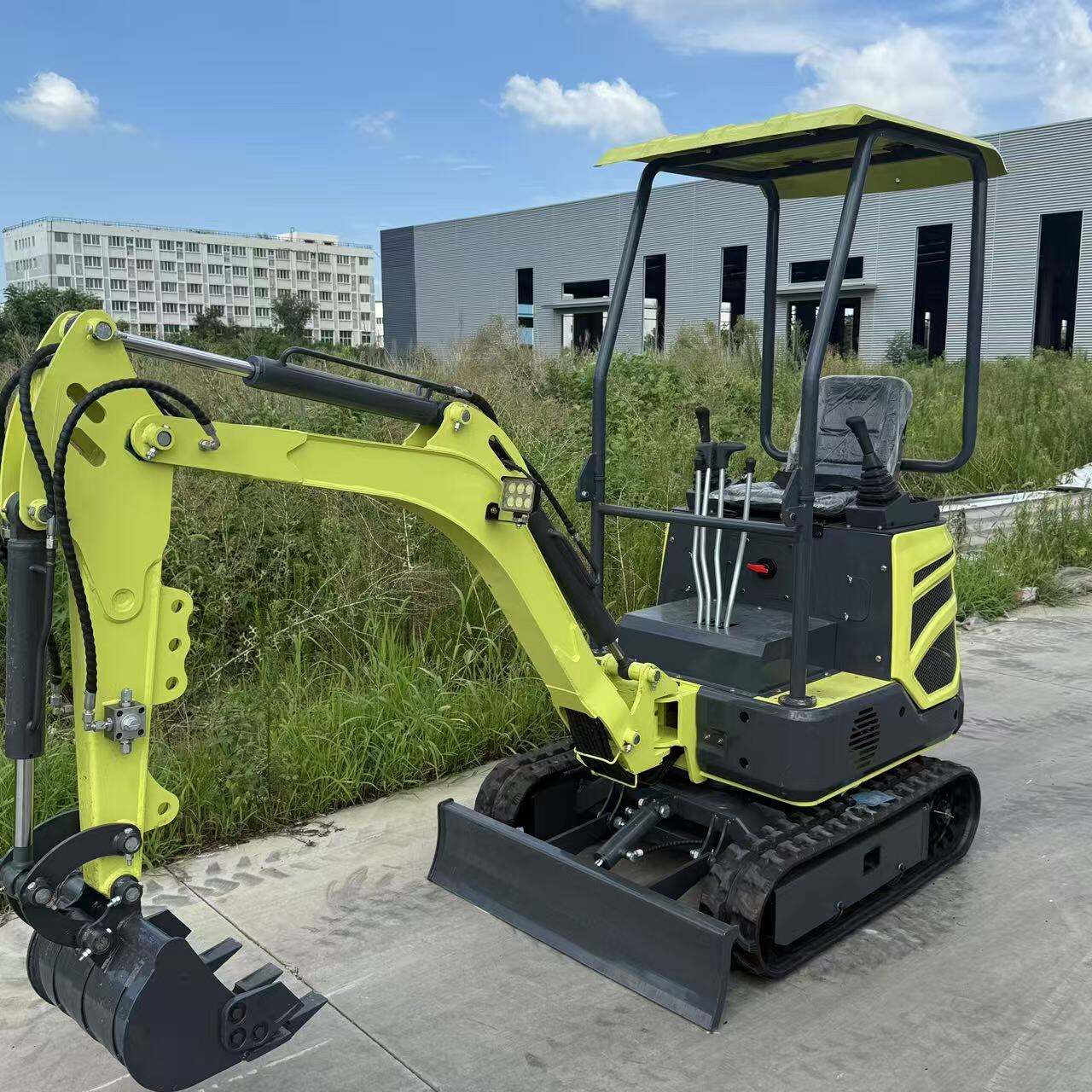
Compact Design and Zero-Tail Swing for Tight Urban Sites
Sub-900 mm width and zero-tail swing: navigating gates, alleys, and backyards
Zero tail swing excavators are designed so that their upper part spins completely inside the tracks themselves, which means no more bumping into things behind them like walls, fences, or whatever else might be standing there. These machines typically measure under 900mm wide at the front, making them small enough to squeeze through regular home gates and those super narrow streets in cities where parking spaces seem impossible. For people actually operating these machines, this matters because they can work in tight backyard spaces without worrying about scratching up someone's carefully maintained garden beds, expensive deck installations, or delicate stone walls. Instead of having a big heavy weight sticking out back, these excavators have a smaller counterbalance built right into the main body frame. This keeps everything balanced better when doing heavy lifting jobs or leveling ground surfaces. The Construction Safety Institute released a report last year showing that these types of machines cut down on accidents happening in cramped workspaces by around two thirds. That kind of safety boost really counts when digging close to underground pipes or right next to property boundaries where mistakes could cost thousands.
Real-world clearance test: can a 2 ton excavator operate safely with <1.5 m side space?
Tests in actual conditions show these machines can rotate completely 360 degrees with only 1.2 meters of space to the side, which is way below the standard 1.5 meter requirement found in most city lots. The way we arrange the hydraulic systems, counterbalance weights, and where the boom pivots all work together to keep things balanced when working on slopes. This setup also helps maintain good traction on tracks even when the machine is right next to building foundations or retaining walls. With the fine control from the hydraulics, operators can dig trenches just inches away from active pipes or electrical lines without much trouble. When working around obstacles like trees, air conditioning units, or those little utility boxes that pop up everywhere, there's not much need to move the machine around again and again. All this accuracy means projects get done faster in tight spaces and creates much safer conditions for workers operating in areas where less than 1.5 meters of clearance exists.
Digging Performance and Precision for Residential Utility Work
Optimal 2.5–3.2 m Dig Depth for Footings, Drainage, and Utility Trenching
The digging depth of around 2.5 to 3.2 meters from a 2 ton excavator works great for most residential jobs. Homeowners find this depth just right for things like foundation footings, installing French drains, running septic lines, and even digging trenches for telecom or gas utilities. The machine can handle what's needed below ground level in most parts of the country where frost penetration matters, without going overboard on digging in small backyard spaces. What makes these machines so handy is how operators can tackle several different tasks all at once. They might lay pipes one minute, prepare footings the next, then do backfilling right after, all from basically the same spot. This means less moving around the site and much less mess on the surface compared to using multiple machines for each job.
Fine-Control Hydraulics and Swing Damping for Safe Work Near Live Cables and Pipes
Precision near underground infrastructure relies on purpose-built hydraulic systems. Modern 2 ton models feature:
- Gradual hydraulic response, enabling millimeter-level bucket positioning
- Swing dampeners, which suppress overshoot and abrupt rotation near gas lines or fiber-optic conduits
- Auto-idle systems, preventing unintended throttle surges during delicate operations
These features allow safe operation within 15 cm of marked utilities. A 2023 study published in Urban Construction Economics found that such precision reduces pavement and sidewalk repair costs by 42% compared to conventional equipment—underscoring how engineering refinement translates directly into cost and risk savings for neighborhood-scale projects.
Low-Noise, Low-Emission Operation in Residential Zones
When working on residential developments in cities, builders need to stick pretty closely to noise and pollution rules to keep neighborhoods safe and happy. The newer compact excavators out there are mostly going electric or hybrid now, which means they run at around 72 decibels. That's actually quite quiet compared to regular city traffic that clocks in at about 85 dB. Because of this lower noise level, crews can start digging earlier in the morning or finish later in the evening right next to houses and schools without getting bombarded with complaints from residents. Some models don't produce any exhaust fumes at all, completely eliminating harmful particles from their tailpipes. And when it comes to carbon dioxide, these machines slash annual emissions by more than 12 tons each year compared to traditional diesel excavators. Cities like LA, Seattle, and Toronto have already updated their building codes to require cleaner equipment, so contractors who invest in these technologies stay ahead of regulatory changes while making a real difference in neighborhood air quality. Cleaner air matters especially for kids playing outside and seniors living nearby during long construction periods that often last months at a time.
Trailer Transport and On-Site Readiness for Small Contractors
Under-3,500 kg GVWR and single-axle trailer compatibility — key for DIY and 2 ton excavator owners
The GVWR being below 3,500 kg matters a lot because it means operators don't need those commercial driver's licenses (CDLs) required in most US states and Canadian provinces. When paired with single axle trailers, this opens up transportation options for regular folks with just their standard one ton pickup trucks. According to Equipment World's survey from 2023 on small fleets, around 87% of people who own equipment under this weight limit already do exactly that. For weekend warriors fixing up their homes or tiny contractors working on local jobs, this setup removes the hassle of needing special hauling trucks or paying someone else to move things around. With tilt bed trailers, getting everything ready takes less than 15 minutes, which really helps when moving between cramped neighborhoods. All told, this creates much simpler and cheaper logistics solutions. That kind of convenience is gold dust for anyone trying to keep costs down while still getting work done efficiently.
FAQ
What is zero-tail swing on an excavator?
Zero-tail swing refers to the excavator design where the upper part of the machine spins completely inside the track width, reducing the risk of collision with obstacles and enhancing maneuverability in tight spaces.
How does a 2 ton excavator ensure safety near underground utilities?
A 2 ton excavator ensures safety with features like gradual hydraulic response, swing dampeners, and auto-idle systems, allowing precise operation within close proximity to utilities such as pipes and cables.
Why are compact excavators beneficial in urban areas?
Compact excavators are beneficial as they allow for low-noise, low-emission operations, fit through narrow spaces, and adhere to urban regulatory requirements effectively, making them suitable for residential and tight urban projects.