
 EN
EN
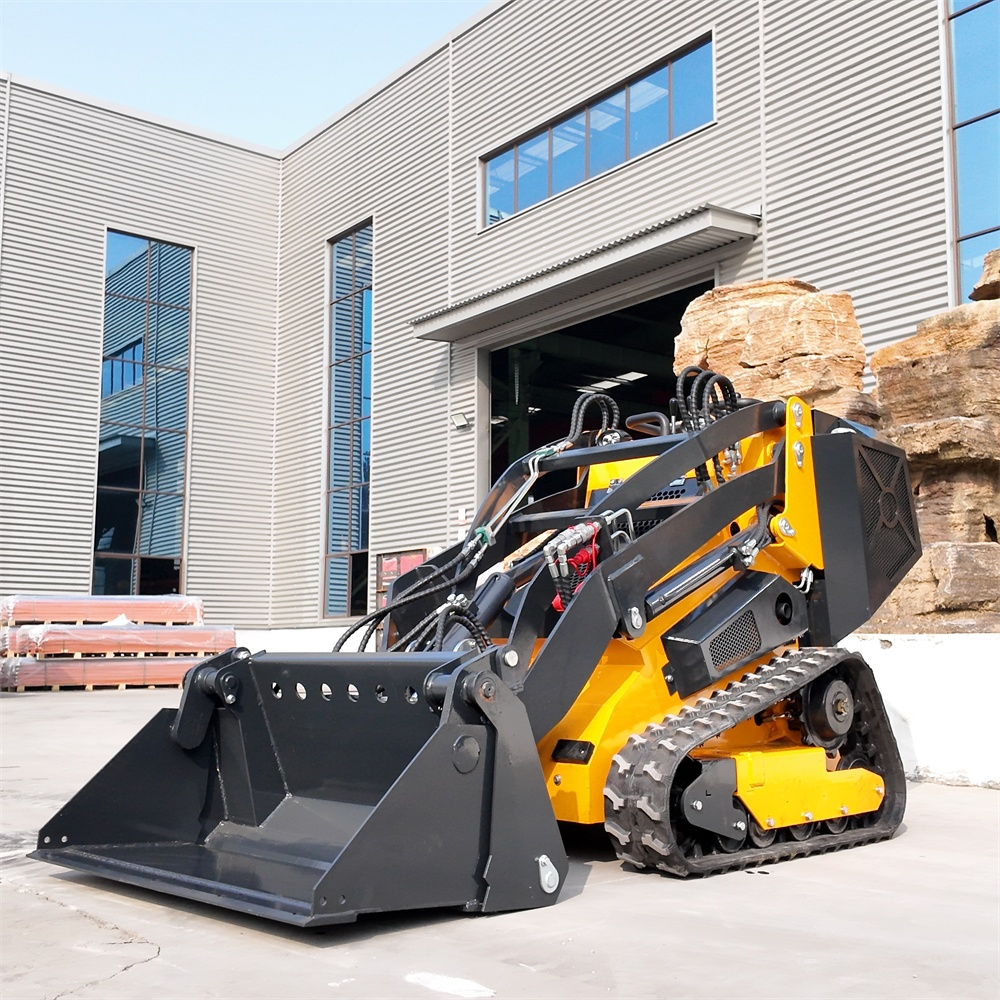
Why Skid Steer Loaders Excel in Confined Workspaces
Zero-turn radius and compact footprint for unmatched indoor and urban maneuverability
Skid steer loaders can turn on a dime literally since they pivot inside their own small footprint, usually around 60 inches or so. The magic comes from that zero turn radius feature which lets operators maneuver these machines with pinpoint accuracy even in tight spaces like warehouse aisles, basement levels, or crowded construction zones in cities. Most models stand under 72 inches tall, making them ideal for working beneath low hanging beams or getting through regular sized doors without bumping into anything. Because of this compact design, workers spend roughly half as much time repositioning the machine compared to bigger machinery. That saves precious minutes when moving materials down narrow alleys or preparing ground surfaces in downtown areas. Plus, despite their smaller size, these loaders still pack enough muscle behind their hydraulics to handle serious lifting jobs without breaking a sweat.
Narrow width and zero-tail-swing design enabling access through gates, doorways, and tight trenches
Skid steers can fit through residential gates and standard entryways since they're only about 36 inches wide. These machines have what's called a zero tail swing design, which means there's no rear overhang sticking out. This helps avoid hitting walls, damaging trench sides, or getting in the way of other things when working in backyards, basements, or on utility projects. When paired with good weight balance throughout the machine, it allows for stable lifting of around 3,500 pounds even in tight spots like crawl spaces or areas under houses where having control over space is absolutely essential for getting the job done right without accidents.
Top Narrow-Space Construction Tasks Perfect for Skid Steer Loaders
Interior and under-house demolition with non-marking tracks and low-profile buckets
Skid steers equipped with non marking rubber tracks and those little buckets that don't stick out too much make for great interior demolition work inside houses and under them too. The tracks won't scratch floors and they can fit into tight spaces where ceilings are lower than seven feet tall, which happens a lot in basements and crawl spaces. Contractors say this setup gets rid of debris about forty percent quicker compared to doing it all by hand. These machines are small enough to go through regular doors that measure around thirty six inches wide. Plus their special design means the back end doesn't swing around and hit walls or framing when tearing things down carefully.
Backyard, pool, and basement excavation â including alley utility work and egress installations
Skid steers really shine when working on residential jobs where space is tight. Most models are around 65 to 85 inches wide, which means they can squeeze through standard backyard gates and even fit down alleyways that are just 84 inches wide. This makes them great for digging out pools, installing those emergency exit windows, and doing all sorts of work beneath concrete slabs. The numbers tell a story too many contractors know well skid steers finish basement digs about 55 percent quicker than mini excavators. Why? They handle materials better and don't require nearly as much extra gear. For alleyway utility work, the quick attach feature lets workers switch from trenching buckets to cleaning brooms without missing a beat. This keeps things moving smoothly even in those super cramped spaces where every minute counts.
Attachment Versatility: Maximizing Skid Steer Loader Utility in Tight Zones
Quick-attach system enables rapid task switching â from trenching to sweeping in confined areas
Operators can swap out attachments such as trenchers, brooms, and buckets in less than two minutes using the universal quick attach system, all while staying right inside the operator's cabin. This feature really shines in tight spaces where there's not much room to maneuver, like during basement work or fixing up narrow alleys. No need to constantly move the machine around anymore, which saves time and money on labor costs since the same spot works for several different tasks. When just one piece of equipment does digging, cleaning up after itself, and moving materials around site, productivity goes way up. No extra machinery or complicated coordination between workers needed either, making job sites run smoother overall.
High-precision attachments for narrow-space applications: augers, micro-trenchers, grapples, and brooms
Specialized attachments extend precision and safety in tight zones:
- Hydraulic augers install fence posts or footings beneath low-clearance structures without overhead obstruction
- Micro-trenchers cut clean, 4-inch-wide utility channels alongside sidewalks or drivewaysâminimizing landscape disruption
- Compact grapples load and maneuver debris through standard doorways during interior demolitions
- Low-profile brooms remove fine particulates from finished floors without scratching surfaces
Each attachment integrates seamlessly with the loaderâs zero-turn agility and fine hydraulic controlâcritical when working inches from foundations, utilities, or finished surfaces.
Real-World Skid Steer Loader Applications in Urban and Residential Settings
In densely populated urban areas and residential neighborhoods, skid steer loaders are indispensable for space-constrained projects where traditional equipment fails. Their compact footprint and zero-tail-swing design provide reliable access through alleyways, standard gates, and backyard openings as narrow as 36 inches. Contractors routinely deploy them for:
- Precision excavation, such as basement expansions and pool installationsâdigging within inches of existing structures while avoiding costly property damage
- Utility trenching along property lines and beneath established landscapes, preserving sidewalks, driveways, and mature plantings
- Winter maintenance, clearing snow from narrow driveways and pedestrian pathways in multi-unit complexes without damaging pavers or curbs
- Material handling, transporting bricks, lumber, and roofing supplies across cluttered urban lots where forklifts or telehandlers canât navigate
Looking at how things actually work on site, compact machines such as skid steers can wrap up residential jobs around 25 percent quicker compared to traditional methods. The main reasons? Less need for hand labor in those tight spots nobody wants to crawl through, plus not having to switch between different pieces of machinery every few minutes. When it comes time for putting the finishing touches on hardscapes and landscapes, those special rubber tracks that don't leave marks come into play big time. They save headaches when working near freshly laid asphalt, concrete patios, or those fancy interlocking stones homeowners love so much these days. That's why contractors keep coming back to them throughout all stages of a project from start to finish.
FAQ
What makes skid steer loaders ideal for confined workspaces?
Skid steer loaders are perfect for confined workspaces due to their zero-turn radius and compact design, which allow them to maneuver with precision in tight areas.
How do skid steer loaders handle narrow-width challenges?
They feature a zero-tail-swing design and are narrow enough to fit through gates and doorways, making them ideal for accessing confined spaces without causing damage.
What types of attachments are suitable for skid steer loaders?
Attachments such as hydraulic augers, micro-trenchers, grapples, and low-profile brooms enhance precision and efficiency, making skid steer loaders versatile for various tasks.