
 EN
EN
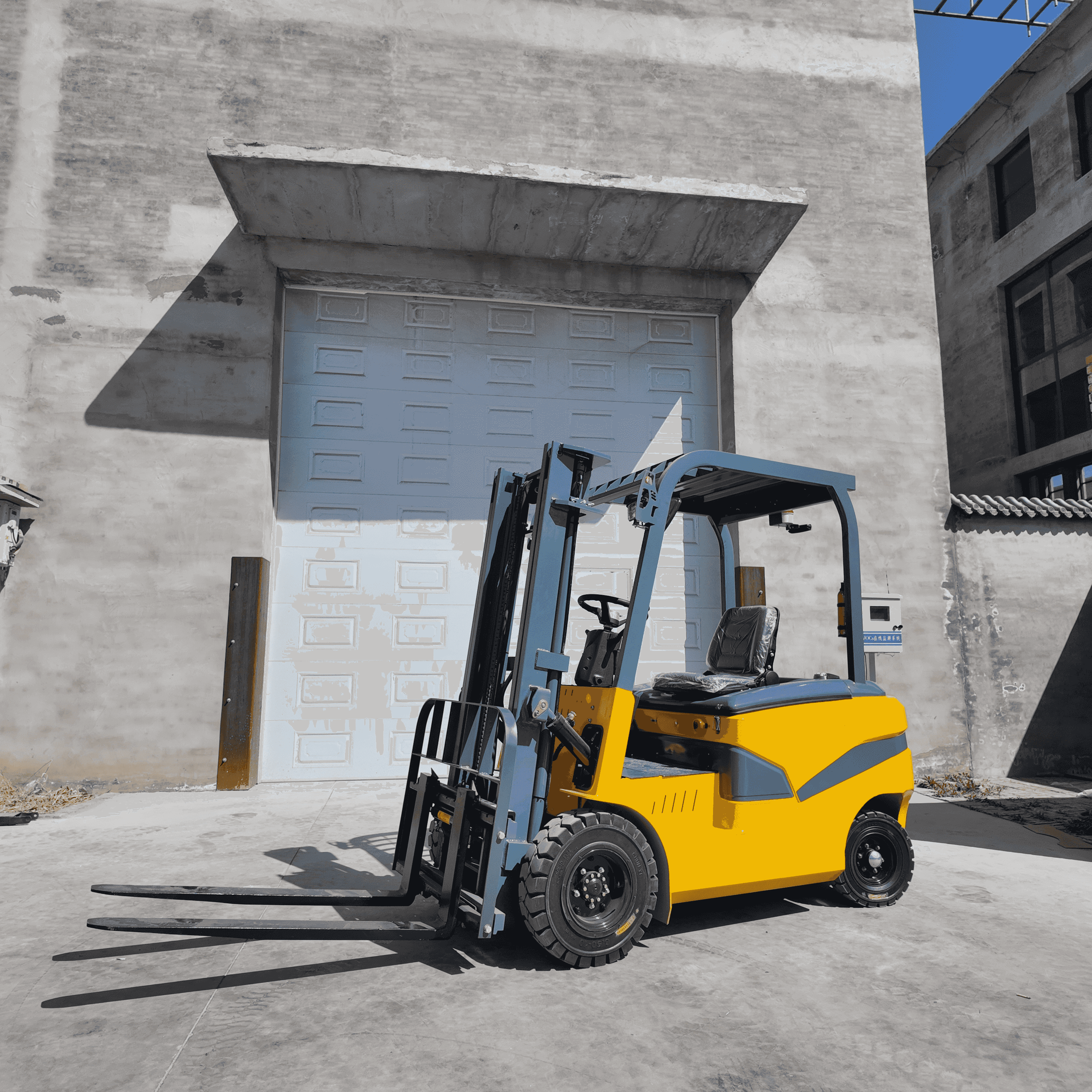
Forklift Operator Training and Certification: Meeting OSHA 29 CFR 1910.178(l) Requirements
Core components of OSHA-mandated forklift training and evaluation
OSHA requires comprehensive forklift training that combines formal instruction with hands-on practice. Operators must learn equipment-specific controls, load stability principles, and how to navigate workplace hazards such as uneven surfaces and pedestrian traffic. The training covers:
- Truck operation fundamentals and safety systems
- Load handling, stacking, and derating calculations
- Worksite-specific navigation and hazard response
After completing training sessions, workers undergo evaluations right where they do their daily tasks. Successful candidates get official certificates good for three full years. These documents include all important info like who trained them, when the assessment happened, plus specifics about what kind of machinery was involved during testing. The whole process works in two parts because companies want to make sure staff members aren't just book smart but actually know how to handle equipment properly on site without risking accidents.
Refresher training triggers and documentation best practices
Retraining is required every three years or immediately after specific incidents. OSHA mandates refresher training when:
- An operator is observed using unsafe techniques
- A near-miss or accident occurs
- Workplace conditions change significantly
- New equipment or attachments are introduced
Documentation must include retraining dates, performance assessments, and instructor signatures, stored in personnel files. Digital tracking systems help automate renewal alerts, while paper records should comply with OSHA’s three-year retention rule. Consistent documentation supports compliance during inspections and helps identify recurring skill deficiencies.
Pre-Operational Inspections and Preventive Maintenance for Forklift Reliability
Daily forklift inspection checklist: critical items and compliance pitfalls
OSHA requires documented daily inspections to identify hazards before operation. Operators must verify:
- Brakes and steering responsiveness to prevent loss-of-control incidents
- Mast and fork integrity, checking for cracks or bends that affect load stability
- Warning systems (lights, horns) and hydraulic controls for malfunctions
Common compliance failures include skipping tire pressure checks and failing to document fluid leaks. Neglecting these items contributes to higher incident risks and increased operational costs. A proactive inspection routine helps mitigate hazards before they lead to downtime or injury.
Maintenance scheduling aligned with usage intensity and forklift class
Preventive maintenance intervals should reflect operational demands:
| Usage Intensity | Electric Forklift Service | IC Forklift Service |
|---|---|---|
| Moderate (1 shift) | 250-hour fluid/filter changes | 200-hour engine checks |
| High (3 shifts) | 125-hour component lubrication | 100-hour brake inspections |
Class-specific needs are also critical: reach trucks require monthly guidance sensor calibration, while counterbalance forklifts need quarterly transmission assessments. This structured maintenance strategy reduces mechanical failures by 45% compared to reactive repair models, enhancing both safety and equipment longevity.
Forklift Stability and Load Handling: Avoiding Overturns and Dynamic Tipping
Understanding forklift capacity ratings, load centers, and derating factors
Forklifts come equipped with load capacity plates that show what they can handle when everything is perfect. These ratings work based on where the weight sits relative to the forks. Most often, the standard measurement point is about 24 inches back from where the forks attach to the truck. When materials get positioned too far forward, it creates extra strain on the machine's structure. This simple shift actually cuts down how much weight the forklift can safely carry. Operators need to keep this in mind during daily operations since even small changes in positioning can make a big difference in safety margins.
Things like mast height, what attachments are being used, and even the type of tires all play into how much weight a forklift can actually handle. Take this as an example: A machine that's supposed to carry 5,000 lbs when the load is centered 24 inches from the fork might only manage around 3,200 lbs if that same load moves out to 36 inches instead. Warehouse managers often overlook adjusting ratings when they install stuff like carton clamps or side shifters on their equipment. This oversight isn't just common among workers either - OSHA regularly cites companies for exactly this kind of mistake. And let's be clear about one thing here: Not accounting for these changes doesn't just violate safety regulations. It creates real danger of tip overs that could seriously injure anyone nearby.
Real-world stability risks: how center-of-gravity shifts cause overturns—even within rated capacity
Forklifts sometimes tip over even if they're carrying something that's supposed to be safe according to their specs. This happens because the weight distribution changes as things move around. The problem gets worse when lifting heavy stuff high off the ground, making sharp turns, or going up hills. These movements create forces that actually shift where the heaviest part of everything is located. If this balance point moves too far forward, it goes beyond what's called the stability triangle. Think about how stable a forklift really is - basically between those big front wheels and where the mast pivots back there. Once that balance point leaves that imaginary triangle area, trouble usually follows pretty quickly.
About 38 percent of deaths linked to forklift accidents happen when these machines tip over. This usually occurs during downhill travel with heavy loads lifted high, or when making quick turns with the mast stretched out far. The ground itself plays a big role too. Uneven surfaces combined with old, balding tires can really cut down on grip and balance. What starts as a normal load suddenly becomes something else entirely - almost like a runaway freight train waiting to happen. Good operators know they need to keep those loads down close to the floor, slow way down going up inclines, and steer clear of any sudden moves if possible. But let's face it, sometimes conditions just get away from even experienced workers.
Visibility Management, Blind Spot Mitigation, and Pedestrian Interaction Protocols
Effective visibility management addresses forklift blind spots through engineered and procedural controls. Mast structures and carried loads can create front blind zones up to 25% of the operator’s forward view. Proximity sensors and convex mirrors at aisle intersections help detect pedestrians in obscured areas.
When it comes to keeping pedestrians safe around equipment, there are several key measures in place. Workers need to wear those bright vests that make them stand out against machinery backgrounds. The walkways themselves are physically separated from vehicle paths using barriers, which helps prevent accidents. Signs throughout the facility clearly state who has the right of way at different points. Before operating anything, staff members have to do a complete check all around them just to be sure nothing or no one is nearby. Floor markings help everyone know where they can safely go, and those flashing lights warn people when something is coming their way. For training purposes, we simulate situations where operators might miss seeing someone in their blind spots, especially when turning corners or maneuvering heavy loads. These exercises really help build better awareness of surroundings over time.
Safe Forklift Operation: Speed Control, Maneuvering Discipline, and Traffic Separation
Speed limits, turning radius awareness, and avoidance of abrupt maneuvers
Controlled speeds are essential to accident prevention. Indoors, forklifts should operate below 8 mph, reducing to 3 mph in pedestrian zones. Sudden stops or sharp turns increase rollover risk by 34%, so operators should reduce speed before turning, maintain a wide turning radius, and keep forks low.
Abrupt maneuvers contribute to 28% of tip-over incidents due to momentum shifts. Key practices include:
- Scanning pathways for obstacles before movement
- Using gradual braking on inclines to prevent load shift
- Ensuring ample clearance when reversing direction
Deliberate acceleration and braking patterns enhance stability and reduce collision risks.
Engineering controls and ANSI/ITSDF B56.1–aligned traffic route separation
Physical safeguards enhance safety through structured traffic management. ANSI/ITSDF B56.1-compliant measures include color-coded floor markings for dedicated pedestrian walkways and bidirectional forklift lanes. Convex mirrors at blind intersections, dock-edge barriers, and speed governors in high-traffic zones further reduce risks.
When forklifts get too close to pedestrian zones, proximity sensors kick in with loud warnings, and those flashing lights at crosswalks really help workers know what's going on around them. Facilities also install guardrails along paths only for forklift traffic, plus there are smart systems that spot potential crashes before they happen in busy spots. These multiple layers of protection have made a big difference statistically speaking, cutting down pedestrian incidents by almost two thirds and side collisions nearly half. The whole setup creates a much safer work environment where everyone can move around without constant worry about accidents happening.
FAQ
What are the core components of OSHA-mandated forklift training? OSHA-mandated training includes instruction on truck operation, load handling, and worksite navigation with evaluations conducted to ensure practical application of skills.
When is refresher forklift training required according to OSHA? Refresher training is necessary every three years or immediately after unsafe operation, accidents, significant changes in the workplace, or introduction of new equipment.
What is included in a daily forklift inspection? Daily inspections should cover brakes, steering, mast and fork integrity, and all warning systems to ensure safety and operational efficiency.
How does understanding forklift capacity ratings help in safe operation? Knowing capacity ratings helps prevent overloading by accounting for weight distribution and derating factors, reducing the risk of tip-overs.
Why are engineering controls important for forklift safety? Engineering controls like color-coded walkways, convex mirrors, and proximity sensors help manage traffic and reduce accidents in high-traffic areas.
Table of Contents
- Forklift Operator Training and Certification: Meeting OSHA 29 CFR 1910.178(l) Requirements
- Pre-Operational Inspections and Preventive Maintenance for Forklift Reliability
- Forklift Stability and Load Handling: Avoiding Overturns and Dynamic Tipping
- Visibility Management, Blind Spot Mitigation, and Pedestrian Interaction Protocols
- Safe Forklift Operation: Speed Control, Maneuvering Discipline, and Traffic Separation
- FAQ