
 EN
EN
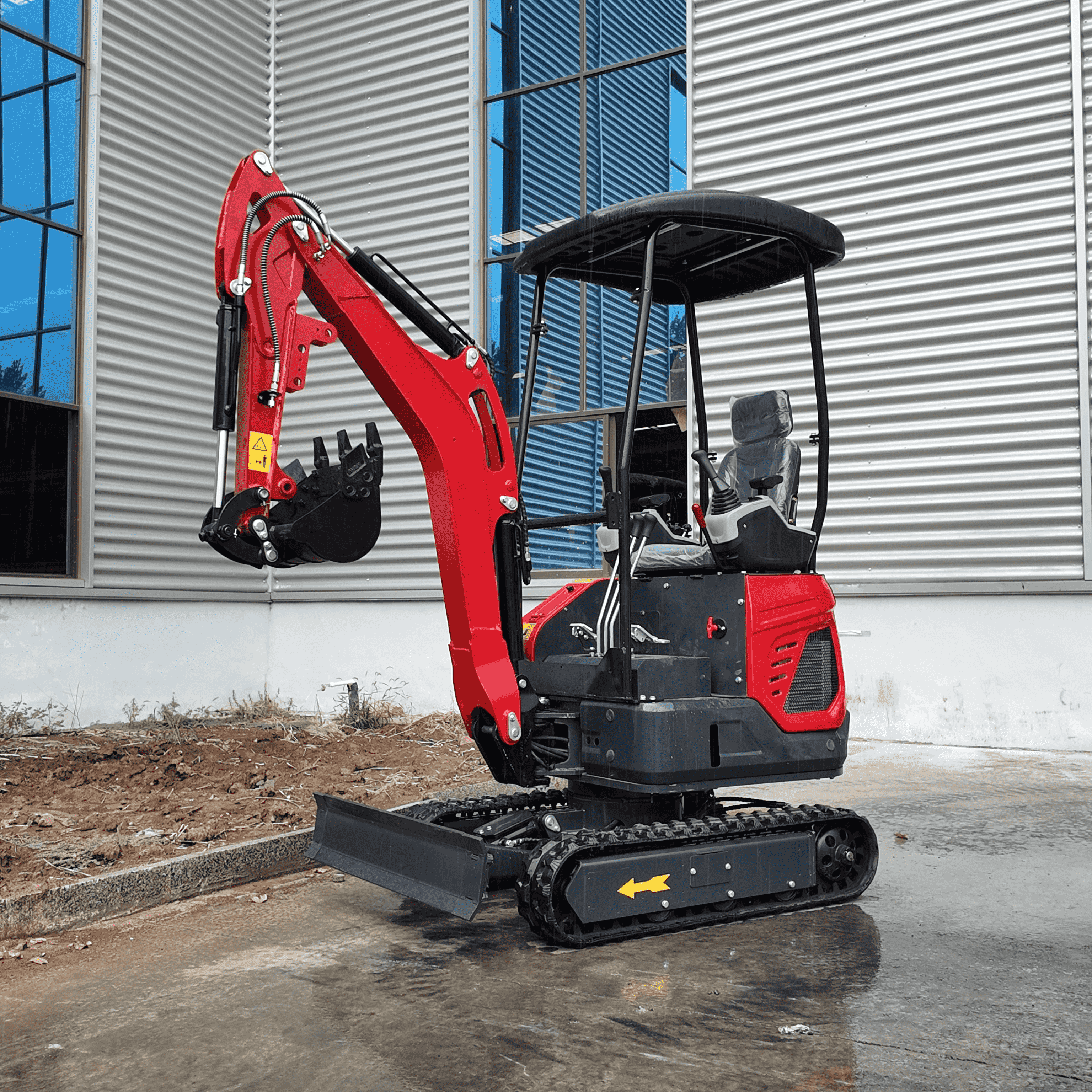
Match Excavator Size to Project Scale and Application Needs
Mini, Mid-Size, and Large Excavator Classes: Definitions and Use Cases
When it comes to heavy machinery, weight categories really matter because they determine how well these machines perform and where they fit best. Let's start with the small ones first. Mini excavators weighing less than ten tons are great when space is limited, think backyard jobs or narrow alleys. They can get into tight spots but aren't built for heavy lifting or deep digging tasks. Moving up the scale, mid-sized excavators ranging from ten to forty-five tons hit that sweet spot between being able to move around easily and still pack enough punch for most construction sites. These bad boys handle everything from preparing ground surfaces to digging trenches efficiently. Then there are the big hitters – anything over forty-five tons – these giants bring serious muscle to the table. Their long arms, deep digging capabilities, and incredible lifting power make them indispensable on massive projects like mines or building highways. Check out the comparison chart below to see exactly what separates these different classes of machines.
| Class | Weight Range | Lifting Capacity | Primary Applications |
|---|---|---|---|
| Mini | <10 tons | 0.5–1 ton | Landscaping, utility work, tight spaces |
| Mid-Size | 10–45 tons | 1–8 tons | Roadwork, foundations, demolition |
| Large | 45+ tons | 8+ tons | Mining, major excavation, deep foundations |
Aligning Machine Size with Residential, Commercial, and Industrial Project Demands
Project type plays a critical role in excavator selection.
- Residential: Mini excavators navigate narrow driveways and protect existing structures during tasks like pool installations or utility upgrades.
- Commercial: Mid-size units provide the reach and bucket capacity needed for shopping centers or road construction, without incurring excessive transport or fuel costs.
- Industrial: Large excavators are essential for mining or port development, where deep excavation and high-volume material handling are required.
Project Scope Guidelines: From Small Renovations to Large-Scale Infrastructure
The size of a project really determines what kind of equipment will get the job done right. For smaller renovations, think things like adding onto one house, mini excavators are usually best because they cause less mess around the property. When dealing with medium sized projects, maybe something like building several apartments together, mid range excavators become necessary for getting the ground ready properly and laying foundations without holding everything up. Big ticket items like highway construction or dam building need those massive excavators that can dig down past 20 feet and shift tons of dirt quickly. Renting big machinery for tiny jobs just burns through fuel money fast and adds transportation expenses too, sometimes making costs jump by nearly half. On the flip side, trying to handle major construction with underpowered equipment often means wasting weeks waiting for progress, which nobody wants when deadlines loom overhead.
Evaluate Dig Depth, Bucket Capacity, and Lifting Requirements
How trenching, foundations, and grading influence required digging depth
When digging trenches for utility lines, contractors usually go down around 4 to 6 feet into the ground. Structural foundations require much deeper holes, often between 8 and 12 feet so they can get down to solid subsoil that won't shift over time. Grading work generally needs only shallow cuts, but getting those slopes just right matters a lot for proper drainage and stability. Operators should dig beyond what's minimally required because stopping and starting repeatedly wastes time and slows things down. Most standard sized excavators can tackle regular foundation work just fine, though bigger machines become essential when dealing with those really deep pile installations. Contractors who skip checking depths properly end up spending extra money later on when they have to switch out equipment mid-project.
Bucket capacity and engine power: balancing efficiency and project needs
The size of the bucket, which ranges from about 0.1 to 1.5 cubic yards, really impacts how much material gets moved each cycle, but it needs to work well with the engine's power to avoid stalling issues. When dealing with loose soil types, bigger buckets tend to boost productivity significantly. However, when working with compacted earth or rockier materials, going with smaller buckets actually puts less stress on the hydraulic system. Getting the right match between bucket size and engine capacity can cut down on idle time by around 22 percent, which makes a real difference in fuel consumption over time. Before settling on any particular equipment setup, operators should check whether the hydraulic flow rates will handle whatever attachments they plan to use.
Lifting capacity considerations for demolition and material handling tasks
Lifting capacity determines safe handling of debris, pipes, and structural elements. Demolition operations should maintain a 20–30% safety margin above rated loads due to unpredictable weight distribution. Key factors include:
- Working radius: Capacity drops 40–60% at full reach
- Stability: Sloped terrain reduces counterweight effectiveness
-
Attachment weight: Deduct grapple or hammer mass from available lift capacity
Structural lifts over 3,000 lbs typically require large excavators with reinforced booms. Always consult manufacturer load charts at critical heights to prevent tip-overs.
Assess Site Constraints: Tailswing, Reach, and Mobility Needs
Zero, Reduced, and Conventional Tailswing Designs for Confined Spaces
How machines swing their tails matters a lot when working in cramped spots. Zero tailswing machines basically turn around inside their own footprint, so they won't bump into walls or utility lines while operating. Then there are those with reduced tailswing that stick out about 5 to 15 percent past their tracks. These offer something in between full reach and being super compact. Regular excavators need way more space though, typically needing 30 to 50 percent extra room around them which makes them pretty useless for tight jobs. According to some research from last year, almost seven out of ten accidents involving machinery happened because workers didn't plan for tailswing properly in tight spaces. That's why zero tailswing versions become so important for things like working down narrow alleys or inside buildings where every inch counts.
Machine Width, Dump Height, and Reach in Urban and Indoor Environments
Working in city environments means dealing with tight space constraints all the time. Equipment that's over 84 inches wide usually gets stuck trying to get through those skinny backstreets or old neighborhoods where there isn't much room to maneuver. When it comes to dumping materials, the height needs to be above what most trucks have in their beds, which is around 90 to 110 inches typically. If the machine doesn't reach high enough, workers end up wasting precious time moving things around again and again. For jobs in crowded urban areas, excavators equipped with those flexible boom arms give operators about 15 percent more side-to-side movement compared to the standard rigid arm models. There are several important measurements and limitations that construction crews need to keep in mind when planning their work in these challenging settings.
| Dimension | Standard Constraint | Urban Solution |
|---|---|---|
| Machine Width | < 84 inches for alleys | Compact track chassis |
| Minimum Dump Height | > 110 inches for trucks | Telescopic arm attachments |
| Side Reach | > 18 feet for curbs | Offset boom configuration |
Case Study: Selecting a Zero-Tailswing Mini Excavator for a Tight Urban Renovation
In the heart of the old town area, a recent restoration project showed how good equipment choices can make all the difference. The crew originally thought about getting a medium sized excavator, but when they measured the space between two buildings and found only six feet of room, they had to rethink their approach. They ended up going with a zero tail swing mini excavator instead. Weighing around five tons and measuring just under five feet wide, this compact machine could fit through those tight service alleys without any issues. Plus, since it doesn't stick out on either side, there was no risk of damaging nearby buildings worth over two million dollars each. This switch saved them from having to put up expensive protective scaffolding and cut down on overall construction time by roughly a quarter. Tests later showed that the ground wasn't being compressed as much as expected, so the historic streets stayed intact throughout the whole process.
Compare Excavator Models Across Specifications and Use Cases
Weight, power, and capacity benchmarks for mini, mid-size, and large excavators
The performance specs change depending on what size excavator we're talking about. For the small ones weighing less than six tons, they usually have horsepower ratings between fifteen to forty and come equipped with tiny buckets ranging from point zero five to point one five cubic yards. These little guys are great for home projects and utility jobs around town. When we move up to medium sized machines that weigh anywhere from six to twenty tons, their power jumps to forty to one hundred fifty horsepower and they can handle bigger buckets measuring point two to point eight cubic yards. These are the workhorses for commercial grading tasks and demolition work. Then there are the big boys over twenty tons which pack more than one hundred fifty horsepower and carry massive buckets exceeding one cubic yard capacity. They're designed specifically for moving huge amounts of dirt quickly. The bigger models actually get better at doing their job too. Take a look at a ten ton machine compared to a six ton one. The larger version can shift thirty percent more material every hour but only uses fifteen percent extra fuel in the process. That kind of efficiency makes all the difference on large construction sites where time is money.
Data-driven comparison: choosing between under-capacity and over-specifying
Mismatched equipment carries significant cost penalties. Under-capacity machines increase project duration by up to 40% due to slower cycle times and frequent repositioning. Over-specifying raises ownership costs by 25% and reduces utilization in tight spaces by 18%. Optimal selection involves analyzing:
- Daily material volume
- Site access constraints
- Hydraulic flow for attachments
The most efficient choice meets 80–90% of peak project demands, with larger units reserved for high-intensity phases.
Attachment compatibility for multi-functional job site demands
The amount of hydraulic flow and type of quick coupler really makes a difference when it comes to what attachments an excavator can work with. Smaller mini excavators typically work well with things like those 12 inch augers or maybe even a 24 inch trencher. When we get to mid size machines, they start handling bigger stuff like breakers rated at around 3000 foot pounds and various grading buckets. For the big boys, we're talking about serious attachments including forestry mulchers and scrap shears that pack over 10 thousand foot pounds of punch. Machines equipped with ISO 15143 compliant couplers let operators switch tools much quicker actually about 75 percent faster according to tests. But here's something important for operators to remember if a machine has less than 15 gallons per minute hydraulic flow, it might not be able to handle the most demanding attachments without issues. Getting the right match between machine specs and attachment requirements can save companies from losing roughly 30 percent productivity due to incompatible equipment combinations.
Frequently Asked Questions
What are the primary applications for mini, mid-size, and large excavators?
Mini excavators are used for landscaping, utility work, and navigating tight spaces. Mid-size excavators are generally used for roadwork, foundation projects, and demolition tasks. Large excavators are typically applied in mining, major excavation, and deep foundation projects.
How do project types influence excavator selection?
Residential projects typically require mini excavators for their ability to navigate narrow driveways and protect existing infrastructure. Commercial projects benefit from mid-size excavators due to their balance of reach and bucket capacity for larger tasks. Industrial works demand large excavators for tasks that require deep excavation and high-volume material handling.
How does the tailored design of excavators impact work in confined spaces?
Zero tailswing designs are ideal for confined spaces, as they rotate within their footprint without bumping into walls or utility lines. Reduced tailswing designs offer a middle ground between maneuverability and reach, while conventional designs require more space.
Why is it important to match excavator attachments with machine hydraulic flow?
Matching attachments to the machine's hydraulic flow is vital to ensure efficient performance. Inadequate flow can lead to reduced productivity and potentially damage hydraulics. Properly matched attachments save time and increase efficiency significantly.