
 EN
EN
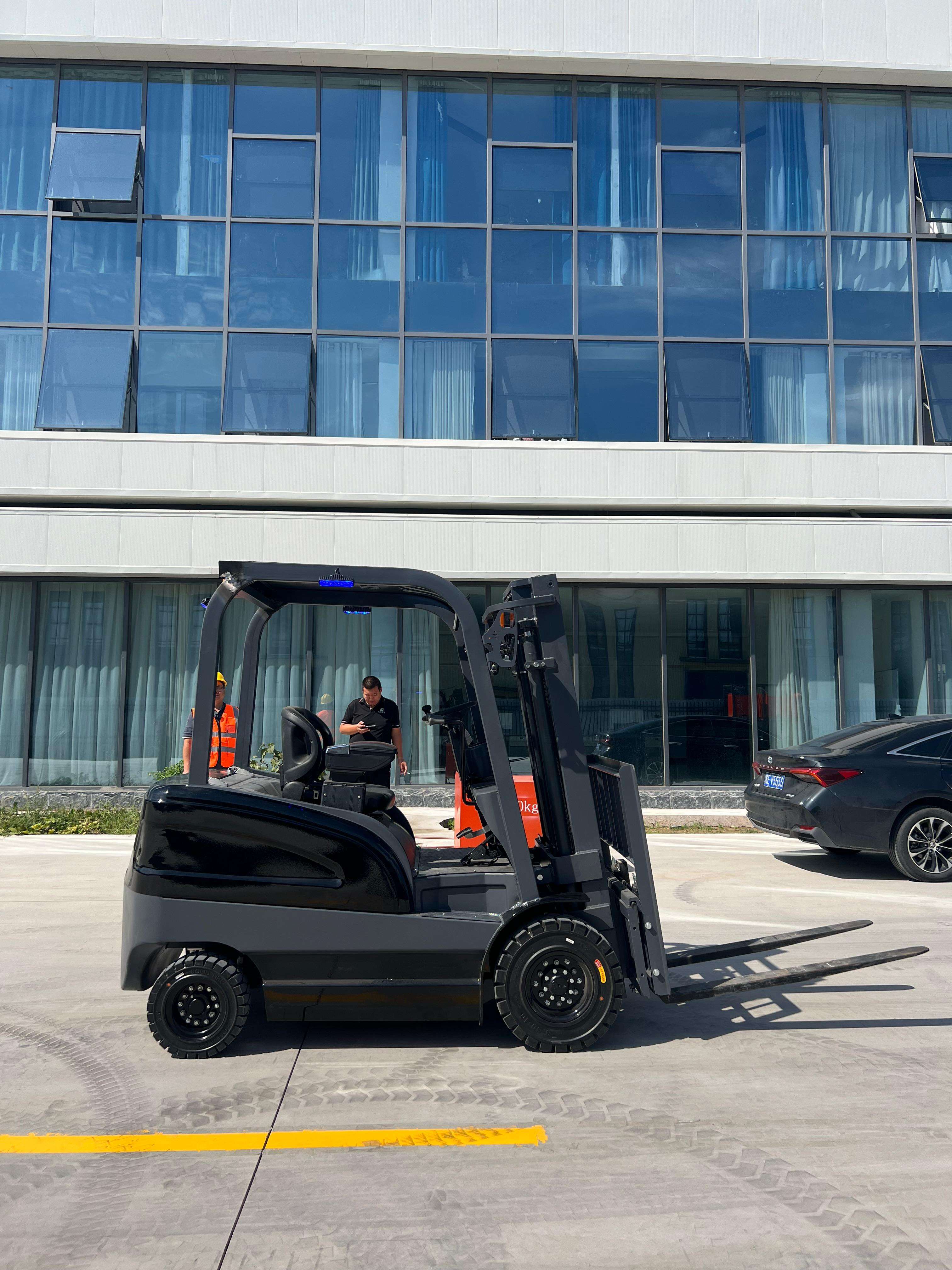
Key Factors That Determine Electric Forklift Runtime per Charge
Battery Capacity (Ah Rating) and Its Direct Impact on Continuous Operation
The amp hour rating on electric forklift batteries basically tells how long they'll run before needing a recharge. Bigger numbers mean more stored power, so operators can work longer between charges. Take a look at standard setups: most warehouses run on 48 volt systems. A typical 600 Ah battery gives around 28.8 kilowatt hours worth of juice, good for about six to eight hours of regular warehouse work. Drop down to a 400 Ah unit at the same voltage and that drops to just 19.2 kWh, cutting runtime to roughly four or five hours. Chemistry makes a difference too. Lithium ion batteries hold their voltage much better when discharging compared to old school lead acid types, giving folks about 15 percent extra usable power in practice. Maintenance crews need to check these ratings regularly though. After about 1500 charge cycles, even new batteries start losing capacity fast sometimes dropping as much as 20 percent from their original specs which really cuts into daily operations.
Depth of Discharge, Temperature, and Load Conditions: Real-World Runtime Modifiers
Three operational variables critically alter electric forklift runtime beyond rated capacity:
- Depth of Discharge (DoD): Discharging lead-acid batteries beyond 80% accelerates degradation; limiting DoD to 50–60% preserves longevity but reduces per-charge runtime by 25–30%.
- Temperature: At 40°F (4°C), battery efficiency drops 20–30%, while temperatures above 100°F (38°C) increase self-discharge rates by 40%. Climate-controlled storage mitigates these losses.
- Load Dynamics: A 4,000-pound load demands 50% more power than a 2,000-pound equivalent. Frequent starts/stops and incline operation further decrease runtime by 15–25% compared to steady-state use.
Optimizing these factors helps achieve 90%+ of theoretical runtime, while neglect can halve operational uptime.
Lead-Acid vs. Lithium-Ion: How Battery Technology Shapes Electric Forklift Uptime
Runtime Comparison: Usable Energy, Voltage Stability, and Duty Cycle Performance
The type of battery chemistry makes a big difference in how long electric forklifts can run before needing a recharge, mainly because of three key aspects. Let's start with usable energy. Lithium ion packs usually give around 80 to 85 percent of what they're rated for, whereas traditional lead acid only manages about half that range since they need to be kept at safer discharge levels. Then there's the matter of voltage stability. Lithium batteries keep pretty much the same voltage throughout their discharge cycle, which means the forklift keeps going at consistent speeds and power output. But lead acid batteries lose voltage as they drain, cutting down on efficiency by roughly 30% when the charge gets low. Lastly, think about how well each battery handles frequent short charges, known in the industry as opportunity charging. Lithium can take these partial charges all day long without losing capacity over time. Lead acid batteries though, need complete charge cycles to prevent them from breaking down early. That's why warehouses running multiple shifts often switch to lithium powered forklifts instead of dealing with constant battery changes required by older lead acid models.
Lithium-Ion Electric Forklift Runtime in Standard 8-Hour Shifts
Lithium ion powered electric forklifts can easily last through an entire 8 hour workday on just one battery charge when operating in standard warehouse settings. These include handling loads between 1 to 3 tons while moving around and lifting goods throughout the day. When discharged to about 80%, these machines typically run for around 6 to 7 hours actively working. And if workers take advantage of short breaks to give them a quick top up charge, they can squeeze out another hour or two of operation time. What's really impressive is how well they perform even in freezing cold storage areas where temperatures drop below zero degrees Fahrenheit. Unlike traditional lead acid batteries that need replacing halfway through a shift in such conditions, which costs warehouses anywhere from 30 to 45 extra minutes each day per machine. Plus, lithium batteries recharge much faster too taking only 1 to 2 hours compared to the 8 plus hours required for old fashioned lead acid packs. This means no unexpected interruptions during critical operations anymore.
Charging Strategy and Its Effect on Electric Forklift Operational Continuity
Opportunity Charging vs. Full-Cycle Charging: Trade-offs for Continuous Workflow
Electric forklift runtime hinges critically on charging methodology. Opportunity charging–brief top-ups during operator breaks or idle periods–minimizes downtime by maintaining charge levels above 20%, whereas full-cycle charging drains batteries to near-empty before lengthy recharges.
| Charging Method | Downtime Impact | Battery Longevity | Workflow Suitability |
|---|---|---|---|
| Opportunity Charging | Minimal downtime | Extends lifespan | High-throughput multi-shift ops |
| Full-Cycle Charging | 8+ hours per cycle | Accelerates degradation | Single-shift with scheduled pauses |
When batteries drop below 20% Depth of Discharge (DoD), their overall capacity starts to shrink for good. That's why many operators turn to opportunity charging as a way to keep those deep discharges at bay. With proper implementation, this method can maintain battery performance across around 2,000 charge cycles. The catch? It requires having chargers readily available throughout the facility and staff who follow through on regular maintenance routines. Full cycle charging works well when operations run on set schedules, but comes at the cost of reduced flexibility during peak hours or unexpected downtime. To maximize system uptime, most facilities find that combining opportunity charging makes sense. Just remember to keep an eye on battery temps during those quick top-ups and don't forget the monthly equalization cycles whenever the manufacturer recommends them.
Proven Practices to Extend Electric Forklift Runtime and Minimize Downtime
Smart operational strategies can really stretch out how long electric forklifts run between charges and cut down on those frustrating unexpected breakdowns. Let's start with something simple but effective: charging the batteries during lunch breaks or when workers switch shifts instead of waiting until they're completely drained. This small change alone tends to add about 15 to 20 extra minutes of operation each day compared to waiting for full discharge cycles. For battery care, keep an eye on water levels if using traditional lead acid batteries, store them somewhere cool around room temperature, and don't forget to do that monthly balancing charge thing every now and then. Operators should also be trained to drive smarter, accelerating gently and making good use of regenerative braking features. Logistics companies report seeing roughly 12% less power usage from these habits. And lastly, installing smart sensors that track battery health parameters like strange voltage drops or unusual temperatures lets managers fix problems before they become major headaches. Putting all these together means getting through those regular 8 hour workdays without interruptions and generally getting another year and a half to two years out of each battery pack.
FAQ
What factors affect the runtime of an electric forklift? Battery capacity, depth of discharge, temperature, and load dynamics are key factors impacting runtime. Proper management can optimize performance and longevity.
How does battery type influence forklift efficiency? Lithium-ion batteries offer better voltage stability, higher usable energy, and are more suitable for frequent short charges compared to lead-acid, leading to improved operational efficiency.
What is opportunity charging? Opportunity charging involves topping off the battery during breaks to prevent batteries from dropping below 20% discharge, which extends battery life and reduces downtime.
Table of Contents
- Key Factors That Determine Electric Forklift Runtime per Charge
- Lead-Acid vs. Lithium-Ion: How Battery Technology Shapes Electric Forklift Uptime
- Charging Strategy and Its Effect on Electric Forklift Operational Continuity
- Proven Practices to Extend Electric Forklift Runtime and Minimize Downtime
- FAQ