
 EN
EN
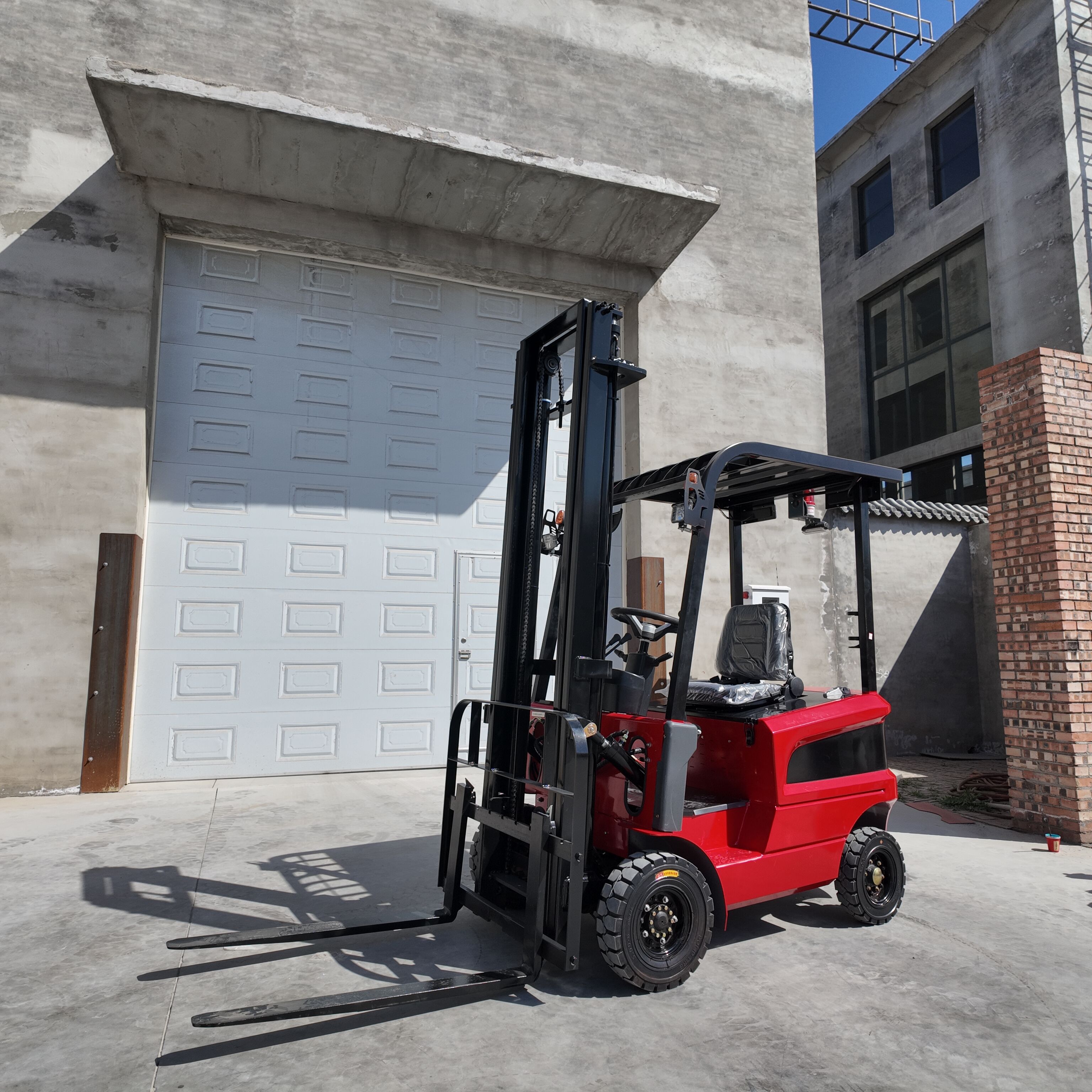
Why Lithium-Ion Electric Forklifts Deliver Superior Battery Life in Logistics
Energy density and Ah capacity: Maximizing uptime per charge in high-throughput logistics
The energy density of lithium ion batteries is much better compared to traditional lead acid options, allowing warehouse equipment to run continuously for around 8 to 10 hours even in tough multi shift logistics settings. Lead acid batteries tend to lose power gradually as they discharge, with noticeable drops in voltage over time. Lithium ion technology keeps voltage levels steady right up until almost empty, so material handling equipment performs consistently throughout entire shifts without sudden power loss. Charging these batteries takes advantage of short breaks between tasks, giving operators roughly 30 percent extra working time each day without needing to swap out depleted units. At large distribution facilities processing over ten thousand pallets every day, this kind of uninterrupted operation can cut down on annual downtime expenses by about eighteen thousand dollars per forklift truck.
Cold storage resilience: Maintaining battery life across refrigerated and freezer warehouse operations
Lithium ion batteries work pretty well even when temps dip below -30 degrees Celsius (-22 Fahrenheit), losing less than 15% of their capacity at those extreme temperatures. That's way better than lead acid batteries which start freezing around -15C (-4F). For industries dealing with frozen foods, medicines, and biological materials that need constant refrigeration, this matters a lot. Regular batteries just won't cut it in these situations because they need long warm up periods before they can function properly. Most modern lithium setups come with built-in Battery Management Systems that tweak charging speeds depending on how cold the cells actually are inside. These systems stop damage from happening when it gets too chilly and keep the battery performing close to its maximum potential. Lead acid batteries typically lose about 40% of their power when exposed to freezing temperatures, making them unreliable for applications where consistent performance is critical.
Lead-Acid vs. Lithium-Ion: Real-World Battery Lifespan in Multi-Shift Logistics
Cycle life under operational stress: 3,000+ cycles vs. ~1,500 – implications for electric forklift TCO
In high-throughput logistics, lithium-ion batteries deliver over 3,000 full charge cycles before significant capacity degradation–nearly double the ~1,500-cycle lifespan typical of lead-acid (Industry Benchmark 2023). This translates directly to longer service life: 3–4 years for lithium-ion versus 1–2 years for lead-acid in multi-shift operations. Key operational advantages include:
| Performance Factor | Lead-Acid | Lithium-Ion |
|---|---|---|
| Cycle Life | ~1,500 cycles | 3,000+ cycles |
| Replacement Frequency | Every 1–2 years | Every 3–4 years |
| Charging Downtime | 6–8 hours + cooldown | 1–2 hours (opportunity) |
| Energy Efficiency | 70–75% | 95%+ |
Rapid charging eliminates battery-swap labor, while superior energy efficiency and zero maintenance (no watering or equalization) reduce five-year total cost of ownership (TCO) by 20–40%–despite higher initial investment.
Battery Management Systems: The Critical Enabler of Long Battery Life in Electric Forklifts
Intelligent BMS features that prevent degradation, optimize charging, and extend electric forklift battery life
The Battery Management System, or BMS for short, keeps track of several key factors at all times including voltage levels, current flow, temperature readings, and how charged the battery actually is. This constant monitoring helps keep lithium ion batteries healthy over time. The system stops two major problems that shorten battery life: overcharging and letting them drain completely. These issues can really hurt battery longevity if left unchecked, sometimes cutting down on how many charge cycles they last by about half. With smart charging capabilities built in, the BMS maintains maximum power output right through those long work shifts. When it comes to heat management, the system works hard to maintain good performance whether batteries are sitting in cold storage facilities or getting used constantly in busy shipping areas. Another important feature is cell balancing which makes sure each part of the battery ages evenly throughout its lifespan. Manufacturers report around a quarter reduction in unexpected breakdowns thanks to early warning systems, and overall battery life gets extended by roughly 30 percent. All these benefits translate into real cost savings when looking at total ownership expenses over time.
Top Electric Forklift Models with Proven Long Battery Life for Logistics Applications
For logistics operations demanding extended runtime and durability, three electric forklift configurations stand out for validated battery longevity:
High-Capacity Counterbalance Models
Equipped with advanced BMS technology, these units prevent over-discharge and optimize charge cycles to deliver up to 40% more work per charge. Regenerative braking recaptures kinetic energy during deceleration–extending active runtime in high-volume warehouses.Three-Wheel Compact Designs
Built around lithium-ion packs rated for 3,000+ cycles at 80% capacity retention (Ponemon Institute, 2023), these agile forklifts support seamless multi-shift operation via rapid opportunity charging. Lightweight construction lowers energy demand during acceleration, and integrated thermal management ensures stable performance in refrigerated zones.Heavy-Duty Pneumatic-Tire Variants
Designed for outdoor and mixed-environment logistics, these models feature ruggedized BMS platforms that maintain battery integrity across wide temperature swings. Predictive analytics monitor cell balance in real time, preventing premature degradation while sustaining lift capacities above 11,000 lbs.
All three categories prioritize energy-density optimization through refined cell chemistry and adaptive power distribution–maximizing pallet moves per charge and reducing long-term ownership costs.
FAQ
Why are lithium-ion batteries more efficient than lead-acid batteries for forklifts?
Lithium-ion batteries offer higher energy density, consistent voltage output, and more charge cycles, making them more efficient and cost-effective than lead-acid batteries.
Can lithium-ion batteries perform in cold storage environments?
Yes, lithium-ion batteries can perform effectively even in extremely cold environments, losing less capacity compared to lead-acid batteries.
How do Battery Management Systems improve the longevity of lithium-ion batteries?
Battery Management Systems monitor and optimize voltage, temperature, and charging cycles, preventing overcharging and drainage, thus extending battery life.
Table of Contents
- Why Lithium-Ion Electric Forklifts Deliver Superior Battery Life in Logistics
- Lead-Acid vs. Lithium-Ion: Real-World Battery Lifespan in Multi-Shift Logistics
- Battery Management Systems: The Critical Enabler of Long Battery Life in Electric Forklifts
- Top Electric Forklift Models with Proven Long Battery Life for Logistics Applications
- FAQ