
 EN
EN
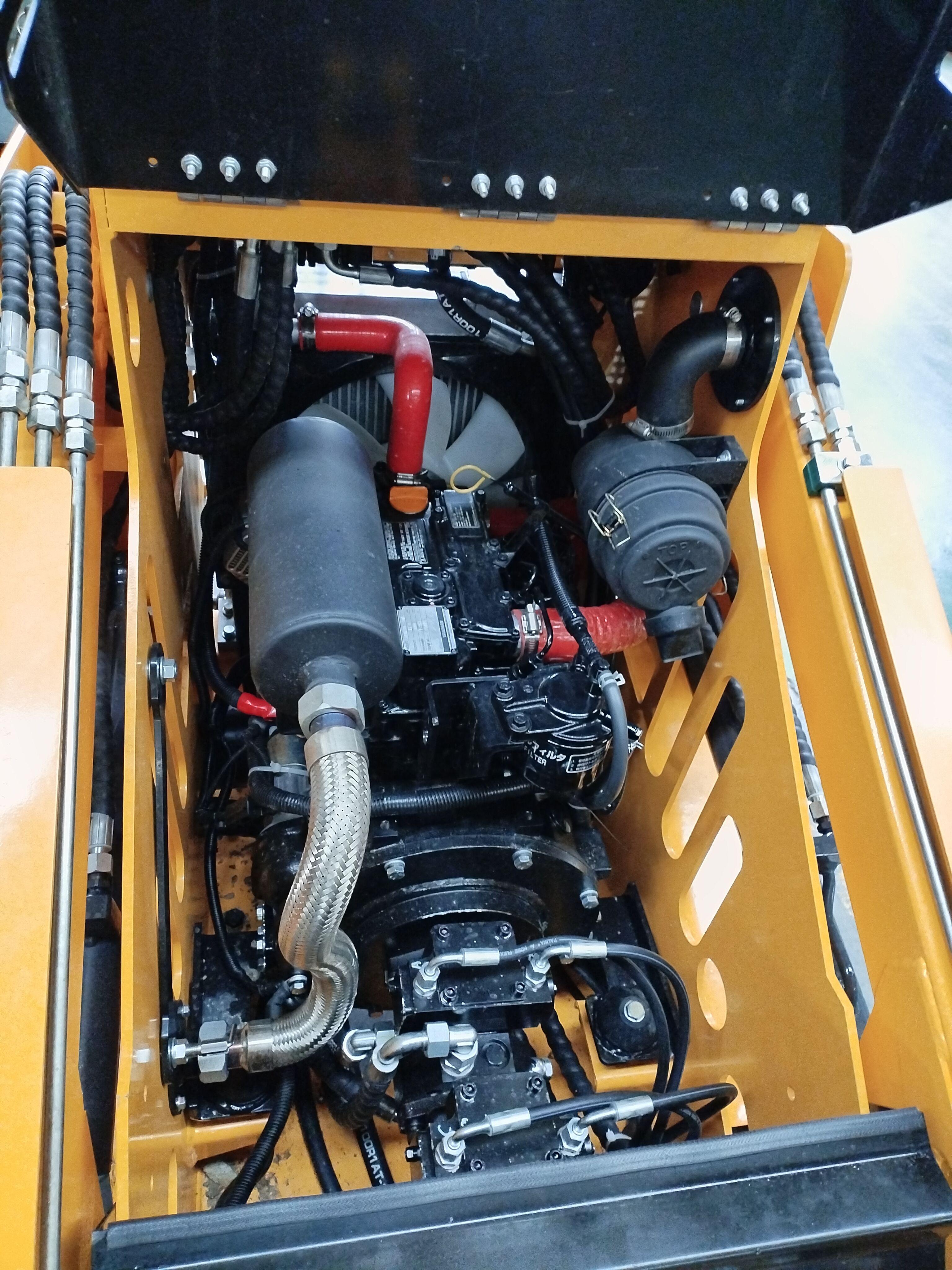
Match Electric Loader Specifications to Indoor Spatial and Operational Constraints
Selecting electric loaders demands precise alignment with indoor site limitations. These machines must navigate tight corridors and confined work zones where spatial constraints dictate every specification. Failure to match dimensions to the environment risks operational bottlenecks, damage to structures, and compromised safety.
Narrow Width and Enhanced Maneuverability for Confined Indoor Spaces
Standard construction equipment often exceeds 48" in width—creating clearance challenges in retrofitted warehouses or historic buildings with narrow doorways. Electric loaders designed for indoor use typically feature widths of 36" or less and turning radii under 60 inches, enabling 90-degree turns in aisles as narrow as 7 feet.
- Articulating axles and rear-wheel steering enhance directional control
- Low-profile designs (under 78" height) prevent interference with ductwork or sprinkler systems
- Non-marking polyurethane tires (4"–6" width) reduce surface contact pressure while maintaining grip
The Volvo L25 Electric exemplifies this design, with a 35.8" width enabling passage through standard service doorways. Operators report 30% fewer maneuver-related incidents in spaces under 10,000 sq ft when using compact electric models versus conventional equipment.
Precision Control Systems for Low-Visibility, Tight-Quarters Indoor Operation
Indoor construction sites present unique hazards: reduced visibility from dust containment barriers, overhead obstructions, and personnel working in proximity. Electric loaders overcome these challenges through integrated control systems combining proportional hydraulics and operator-assist technologies.
- Gradual acceleration profiles prevent sudden jerking when handling palletized materials near walls
- 360-degree camera systems with thermal imaging cut blind spots by 80% in low-light retrofit projects
- Auto-deceleration features engage when proximity sensors detect obstacles within 3 feet
According to OSHA reports, construction sites that implement these loader systems see roughly a 45% drop in struck-by accidents within confined areas. The real value becomes apparent when operating just inches away from structural supports or maneuvering past those temporary walls so common during hospital overhauls and data center expansions. What makes this system stand out? Operators can position buckets with incredible precision, typically within half an inch accuracy, which matters a lot when dealing with delicate items such as glass panels or mechanical, electrical, and plumbing components throughout a job site.
Confirm Zero-Emission and Low-Noise Performance for Indoor Compliance
When running electric loaders inside buildings, companies must stick to both air quality standards and noise control rules worldwide. The Occupational Safety and Health Administration sets a maximum of 85 decibels for workers during their typical eight hour day according to regulation 1910.95. Across Europe, workplaces need to stay below 80 dB under directive 2003/10/EC when people are working in closed spaces. Most traditional diesel machines actually produce around 95 dB or more, which can bounce off walls and ceilings in tight environments, making conditions dangerous for staff over time. Many facility managers find this acoustic issue particularly problematic in warehouses and manufacturing plants where space is limited.
OSHA and EU Directive Requirements for Indoor Air Quality and Noise (dB(A))
Zero-emission operation eliminates diesel particulate matter, which violates OSHA's Permissible Exposure Limits (PELs) for respirable dust. Proper ventilation remains essential—even with electric models—to manage silica dust accumulation per EU Directive 2017/2398.
Electric vs. Diesel: Real-World Noise Reduction Data
Top manufacturers' electric models achieve 65–75 dB(A)—quieter than office conversation volume. This supports regulatory compliance while reducing operator fatigue. Compare performance metrics:
| Loader Type | Average Noise Level | Indoor Air Pollution | Vibration Transfer |
|---|---|---|---|
| Electric | 68 dB(A) | None | Minimal |
| Diesel | 96 dB(A) | PM2.5 & NOx present | Structural transfer |
A 2023 logistics study documented 87% fewer noise violations after switching to electric loaders—preventing work stoppages and avoiding OSHA fines averaging $15,625 per violation.
Validate Electrical Safety and Floor Protection for Sensitive Indoor Environments
Electric loaders operating indoors must prioritize electrical integrity and surface preservation. Sensitive environments—like laboratories or food processing plants—demand rigorous safety protocols to prevent equipment damage and ensure operator protection.
IP Ratings and Enclosure Protection for Dusty, Humid, or Washdown Indoor Sites
Select models with IP54-rated enclosures or higher to block dust ingress and resist water jets during washdowns. This prevents short circuits in humid conditions. For example, loaders in pharmaceutical facilities require IP66 protection to withstand high-pressure sanitation while maintaining electrical safety.
Non-Marking Tires and ASTM F2970 Surface Protection Data for VCT, Epoxy, and Polished Concrete
When working around sensitive flooring, make sure equipment uses tires that meet ASTM F2970 standards for leaving no marks behind. These tires have been tested and proven to stop chemicals from transferring onto surfaces and avoid those annoying scuff marks on delicate floors. The numbers back this up too - studies indicate these compliant tires cut down surface damage by about three quarters when used on epoxy coated floors versus regular tire options. For anyone concerned about maintaining the look of polished concrete floors or keeping vinyl composition tile (VCT) in good condition while moving materials around, looking for loaders with this specific certification makes all the difference in protecting floor integrity throughout operations.
Assess Attachment Flexibility and Stability for Indoor Material Handling
When picking out electric loaders for indoor construction work, look for machines with flexible attachment systems and good stability features. The best units can switch between different attachments like fork carriages, buckets, or sweepers quickly thanks to standard mounting points. This saves time when moving everything from stacked pallets to construction debris without having to spend ages setting things up again. Stability matters a lot indoors where space is tight. A sudden shift in weight distribution can tip the machine when lifting near walls or storage racks. Manufacturers address this problem with wider wheelbases, lower profiles, and smart load sensors that tweak hydraulic flow to keep things steady. These features make all the difference when transporting materials across smooth surfaces like polished concrete or epoxy floors. We've seen cases where unstable equipment damaged flooring worth over $150k according to National Floor Safety Institute data from 2023. For anyone operating these machines regularly, it's worth checking if a loader maintains less than 1 degree of tilt while moving sideways at full capacity. This simple test actually tells a lot about how secure attachments stay and whether the whole system holds together properly during daily operations inside buildings.
FAQ
What are the benefits of using electric loaders indoors?
Electric loaders are designed to navigate tight spaces with features like narrow widths and improved maneuverability, making them ideal for confined indoor environments. They also offer noise and air quality compliance benefits compared to diesel loaders.
How do electric loaders ensure safety in low-visibility indoor settings?
They are equipped with advanced control systems such as 360-degree cameras and auto-deceleration features which greatly enhance precision and safety in challenging indoor conditions.
How do electric loaders contribute to a quieter indoor environment compared to diesel loaders?
Electric loaders typically operate within a noise range of 65–75 dB(A), significantly quieter than diesel loaders, which helps reduce operator fatigue and ensures compliance with indoor noise regulations.
Table of Contents
- Match Electric Loader Specifications to Indoor Spatial and Operational Constraints
- Confirm Zero-Emission and Low-Noise Performance for Indoor Compliance
- Validate Electrical Safety and Floor Protection for Sensitive Indoor Environments
- Assess Attachment Flexibility and Stability for Indoor Material Handling
- FAQ