
 EN
EN
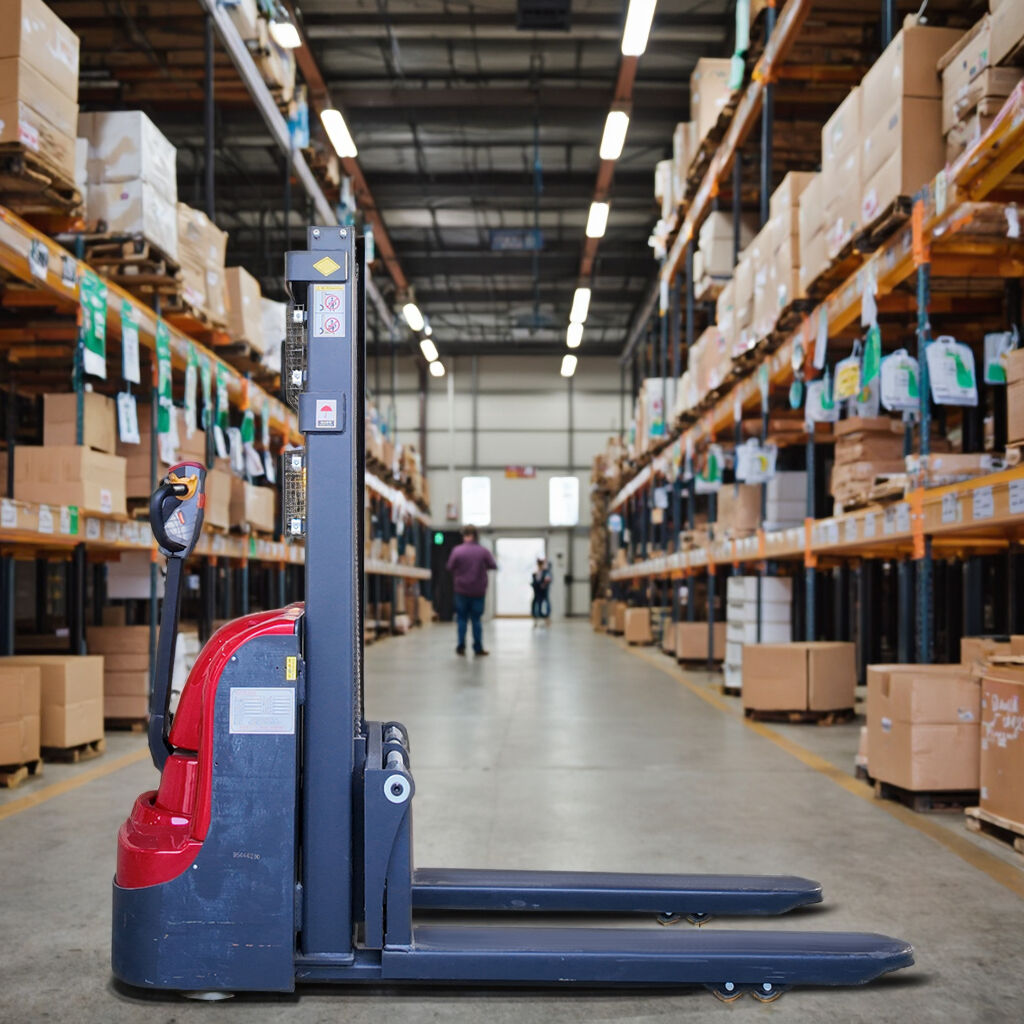
Forklift Load Capacity and Stability for ISO Container Handling
Matching Forklift Capacity to Container Weight: Loaded (30–35 tons) vs. Empty (3–5 tons) Scenarios
Getting the right forklift rating matters a lot when dealing with ISO containers on a daily basis. Full containers can hit anywhere between 30 to 35 metric tons, whereas empty ones still pack around 3 to 5 tons. Smart operators always factor in both what's inside plus the container itself when picking their machinery. Safety regulations require keeping a 25% buffer above what's actually needed, so trying to lift that 35-ton container means having a machine rated for at least 43.75 tons minimum. Port authorities saw a worrying 34% jump in tipping incidents last year from improper capacity matches during active lifting operations. Most folks working with containers rely on rough terrain models classified as Class VII. These beasts start at around 15,000 kg or 33,000 pounds for handling empties, but go way beyond that mark reaching over 36,000 kg or nearly 80,000 pounds for fully loaded jobs.
Stability Essentials: Mast Design, Counterweighting, and Center-of-Gravity Control on Dynamic Aprons
Stability hinges on three interdependent systems:
- Triple-stage masts with progressive tilt angles (±5° to ±12°) enable precise container engagement while maintaining a low center of gravity (CG)
- Dynamic counterweighting shifts ballast during lifts; modern systems adapt to 72% of load CG shifts instantaneously
- CG monitoring sensors halt operations if lateral instability exceeds a 3° threshold on uneven surfaces
Wind loads and apron gradients amplify instability—a 10° slope reduces safe lifting capacity by 18%. Forklifts must maintain a longitudinal stability triangle during movement, with counterweights balancing 150% of maximum load moment. Mast height and retraction sequencing further optimize CG alignment when stacking containers.
Specialized Forklift Types for Port Container Operations
Reach Stackers: High-Lift, Telescoping Boom, and Multi-Tier Stacking in Congested Yards
In port operations around the world, reach stackers have become essential equipment thanks to their telescoping boom systems that can lift containers straight up to about six tiers high. These machines rely on hydraulic extensions which allow workers to place containers precisely even in crowded yard spaces. The cycle time usually clocks in around 45 seconds, which helps keep the whole operation moving smoothly through the day. What makes these machines so versatile is the rotating spreader design that works with both standard 20 foot and longer 40 foot intermodal containers. And let's not forget those important counterweights built into the system that stop the machine from tipping over when lifting heavy loads at height. There are several reasons why ports prefer reach stackers over other options.
- Triple-deep stacking in 30% less space than conventional forklifts
- Boom heights reaching 15 meters for vessel access
- All-wheel steering enabling 360° maneuvers in 12-meter aisles
Side Loader Forklifts: Lateral Entry, Narrow-Aisle Maneuverability, and Precise Pocket Alignment
Side loaders uniquely address narrow terminal corridors with sideways-loading capabilities—eliminating turnaround space. Their perpendicular fork approach achieves <5 mm pocket alignment accuracy, critical for ISO container corner casting engagement. Outrigger stabilizers maintain balance during 9,000 kg lifts at 15° inclines on uneven aprons. This design enables:
- Operation in 3.5-meter aisles inaccessible to standard forklifts
- Lateral camera systems verifying fork-to-pocket insertion
- 20% faster unloading via direct side access to railcars
Both specialized forklifts reduce container handling accidents by 43% compared to modified standard models, per International Cargo Handling Coordination Association (ICHCA) metrics.
Class VI and VII Forklifts: Rough-Terrain Adaptability for Intermodal Terminals
Intermodal terminals demand forklifts engineered for unstable surfaces like gravel, mud, and uneven container yards. Class VI models (tow tractors) transfer containers on paved surfaces using electric or combustion engines—ideal for flat terminal zones. Class VII forklifts dominate true rough-terrain scenarios with key adaptations:
- Large pneumatic tires (8–10 ft diameter) with deep treads combat sinkage on loose substrates
- Diesel engines deliver high torque for 6,000–12,000 lb lifts while navigating grades
- Reinforced frames and 4WD systems maintain stability when crossing rail tracks or potholes
- Elevated ground clearance (up to 18 inches) prevents undercarriage damage
Class VII units really shine in situations where regular warehouse forklifts just can't cut it, cutting down container transfer times quite a bit around those constantly changing apron areas. The way these machines are built with their balanced weight distribution and lower center of gravity means they stay upright even when moving heavy ISO containers across rough ground. Many terminal operators actually find themselves needing both types of equipment depending on what kind of surface they're working on. Typically, Class VI machines handle the smooth paved roads between loading docks, while Class VII units take care of all the messy storage spots that aren't so straightforward. This combination keeps everything moving without too many interruptions in operations.
Mechanical Compatibility: Fork Dimensions, Clearance, and ISO Container Pocket Fit
Critical Fork Specifications: 110 mm Width Tolerance and 1.2 m Pocket Spacing for 20-ft/40-ft Containers
Getting the right fit between forklift attachments and those ISO container pockets isn't just important it's absolutely essential if ports want to keep their operations running smoothly. The specs are pretty strict on this interface stuff. Forks need to stay within that 110mm width limit so they can actually slide into those corner castings without getting stuck or causing damage. And don't forget about the spacing either. Those pockets have to be exactly 1.2 meters apart from center to center whether dealing with standard 20 foot containers or the longer 40 foot ones. When these measurements get messed up, things go wrong fast. We've seen containers drop unexpectedly at terminals before because someone didn't follow the guidelines properly. Safety first always applies here.
- Oversized forks jam in pockets, damaging container integrity
- Misaligned spacing causes uneven load distribution, destabilizing lifts
- Insufficient clearance between fork tips and container walls leads to impact damage
Operators must verify these specifications before handling containers. Forklifts engineered to these tolerances reduce handling time by 15–20% and eliminate structural stress on container frames—ensuring seamless intermodal transfers across ships, trucks, and railcars.
FAQ
What is the maximum weight a forklift should be rated for when lifting a 35-ton container?
A forklift should be rated for at least 43.75 tons when handling a 35-ton container to maintain a 25% safety buffer above the actual load.
How do reach stackers differ from other forklifts in port operations?
Reach stackers are equipped with telescoping boom systems that allow them to lift containers up to six tiers high and operate efficiently in congested yard spaces.
Why are Class VII forklifts ideal for rough-terrain environments?
Class VII forklifts are designed for rough-terrain environments with features such as large pneumatic tires, reinforced frames, and high torque diesel engines to maintain stability on uneven surfaces.
How important is fork width and spacing for proper ISO container handling?
Proper fork width and spacing are critical for smoothly sliding into ISO container pockets without causing damage or operational issues. Forks must meet specific specifications to prevent accidents and ensure efficient handling.
Table of Contents
- Forklift Load Capacity and Stability for ISO Container Handling
- Specialized Forklift Types for Port Container Operations
- Class VI and VII Forklifts: Rough-Terrain Adaptability for Intermodal Terminals
- Mechanical Compatibility: Fork Dimensions, Clearance, and ISO Container Pocket Fit
-
FAQ
- What is the maximum weight a forklift should be rated for when lifting a 35-ton container?
- How do reach stackers differ from other forklifts in port operations?
- Why are Class VII forklifts ideal for rough-terrain environments?
- How important is fork width and spacing for proper ISO container handling?