
 EN
EN
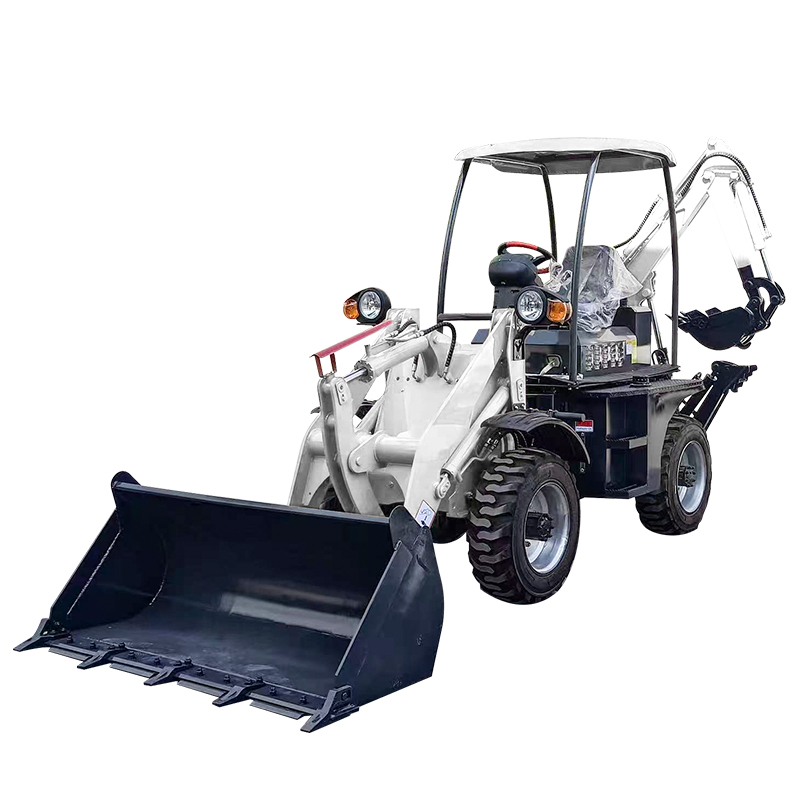
Backhoe Loader Versatility: Consolidating Tasks to Cut Capital and Rental Costs
Single-Machine Execution of Digging, Loading, Lifting, and Grading
A backhoe loader integrates a front loader, excavator arm, and often a six-in-one bucket into a single chassis—enabling one machine to dig trenches, load trucks, lift pipes, and grade surfaces without swapping attachments or deploying additional equipment. Operators switch between functions in seconds using intuitive joystick controls, eliminating the downtime associated with moving and repositioning separate machines on-site. Its breakout force and lifting capacity rival those of dedicated compact excavators and wheel loaders, yet all tasks are managed by a single operator. This consolidation directly reduces fleet size and the corresponding capital expenditure—making it especially valuable for contractors managing tight budgets or limited storage space.
Eliminating Specialty Equipment Rentals and Associated Logistics Overhead
Renting excavators, wheel loaders, and graders separately for each project phase adds recurring costs that compound quickly—not just in rental fees, but in transport, maintenance, and labor coordination. A backhoe loader replaces this multi-machine approach entirely. Its self-propelled road travel (over 20 mph) eliminates trailer permits, hauling logistics, and loading/unloading delays. With only one engine, hydraulic system, and set of tires to maintain, service burdens drop significantly. And because one operator handles digging, loading, and grading, crew allocation becomes more flexible—freeing skilled personnel for high-value tasks. These efficiencies can reduce project mobilization time by up to 40% on typical urban worksites, reinforcing the backhoe loader’s role as a cost-effective alternative to fragmented equipment fleets.
Backhoe Loader Efficiency Gains: Accelerating Project Timelines and Labor Utilization
Reduced Mobilization, Setup, and Task Changeover Time on Site
The backhoe loader’s ability to drive at road speeds slashes mobilization time compared to tracked excavators or skid steers requiring trailers. Each move saves 30–60 minutes by bypassing loading, tie-down, and unloading steps. On site, quick-attach systems let operators swap buckets, hydraulic breakers, or pallet forks in under two minutes—no need to reposition secondary equipment. Task changeover drops from 15 minutes with multiple machines to under three. Rapid-deploy stabilizers ensure secure digging posture, while the front loader grades or loads without repositioning. In congested urban settings, its compact footprint and single-unit workflow avoid the scheduling friction of coordinating multiple machines—compressing project timelines and enabling more task sequences per day.
Real-World Impact: 22% Faster Utility Trenching vs. Excavator + Skid Steer (AGC Midwest, 2023)
A 2023 field study by the Associated General Contractors of America’s Midwest chapter benchmarked utility trenching productivity using a backhoe loader versus the conventional excavator-plus-skid-steer setup. The backhoe loader completed trenching 22% faster—primarily due to eliminated machine repositioning and seamless travel along the trench line. The single-operator model also freed one crew member for parallel tasks, improving overall labor utilization. This real-world validation confirms the backhoe loader’s schedule advantage for linear utility work—helping contractors meet aggressive deadlines on residential and municipal infrastructure projects.
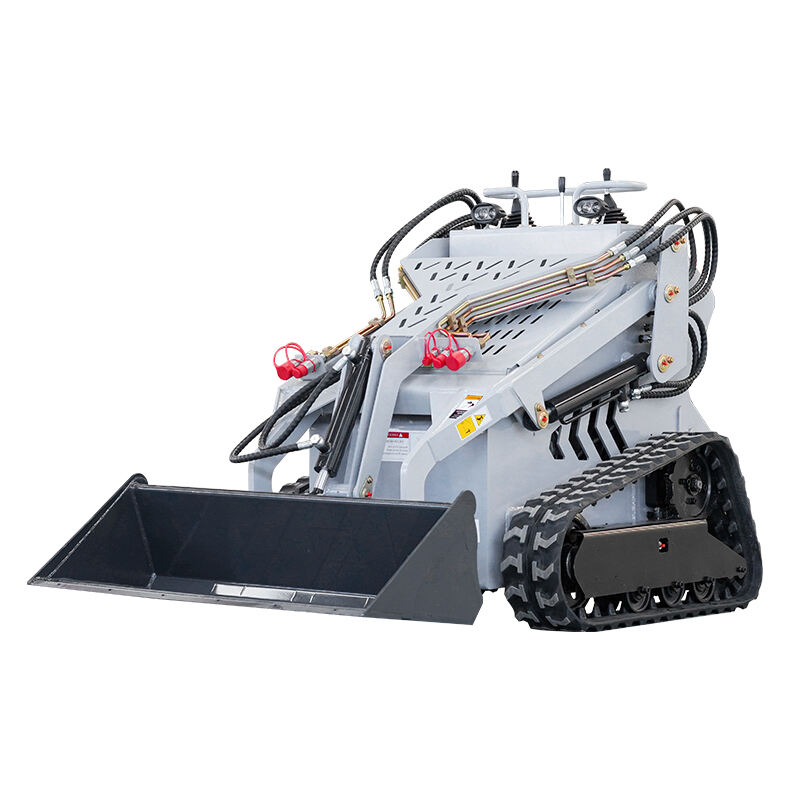
Operational Cost Optimization with Backhoe Loader Fuel, Maintenance, and Transport Savings
Lower Fuel Consumption and Maintenance Burden per Cubic Yard vs. Multi-Machine Fleets
Consolidating excavation, loading, and material handling into one backhoe loader delivers measurable operational savings. Leading models consume up to 24% less fuel than equivalent multi-machine combinations—reducing cost per cubic yard moved. Fewer machines mean fewer engines, hydraulic systems, and wear components to maintain—streamlining service schedules and cutting parts replacement frequency. Transport costs fall sharply, too: moving one machine replaces the expense and complexity of hauling three. According to the National Ready Mixed Concrete Association (NRMCA), these synergies translate to up to 18% lower cost per cubic yard versus traditional excavator-loader-grader fleets—making the backhoe loader a high-efficiency choice for budget-conscious earthmoving operations.
Quantified Backhoe Loader Cost Advantage: Benchmarking Against Traditional Equipment Combinations
Total Cost per Cubic Yard: Backhoe Loader vs. Excavator + Wheel Loader + Grader (NRMCA 2022)
The NRMCA 2022 benchmark study found backhoe loaders deliver 15–22% lower total cost per cubic yard compared to traditional three-machine combinations (excavator + wheel loader + grader). This advantage stems from four interrelated efficiencies:
- Fuel savings from operating one engine instead of three
- Reduced maintenance costs, with fewer hydraulic systems and wear components
- Labor optimization, requiring only one operator versus three
- Eliminated transport overhead, including permits, trailer rentals, and haulage logistics
Contractors also avoid hidden costs—like coordination delays, mobilization surcharges, and idle time between machine handoffs. The backhoe loader’s integrated design minimizes downtime between digging, loading, and grading, directly boosting profitability on earthmoving projects across residential and civil construction sites.
Table of Contents
- Backhoe Loader Versatility: Consolidating Tasks to Cut Capital and Rental Costs
- Backhoe Loader Efficiency Gains: Accelerating Project Timelines and Labor Utilization
- Operational Cost Optimization with Backhoe Loader Fuel, Maintenance, and Transport Savings
- Quantified Backhoe Loader Cost Advantage: Benchmarking Against Traditional Equipment Combinations