
 EN
EN
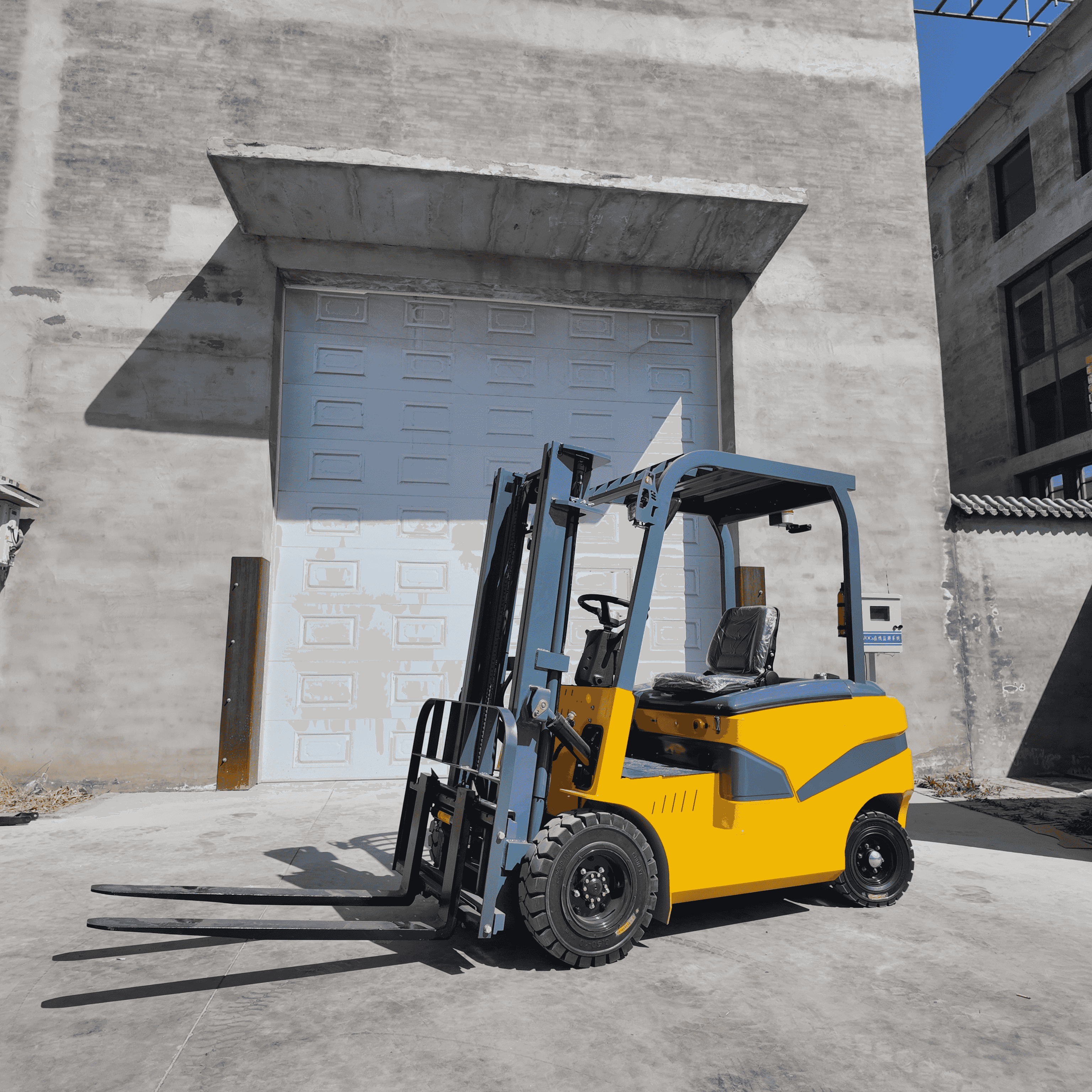
Power and Lifting Capacity in High-Load Applications
Diesel Engine Power and Torque for Demanding Material Handling
Diesel forklifts deliver 25–35% higher torque than electric models, with industrial engines generating up to 145 lb-ft at 1,800 RPM (Material Handling Institute 2023). This sustained power enables reliable movement of 15,000+ lb loads across uneven terrain—making them ideal for steel mills and heavy equipment yards where consistent performance is critical.
Understanding Rated Lifting Capacity vs. Real-World Performance
While many 10-ton diesel forklifts are rated for 22,000 lbs, real-world operations typically limit loads to 16,500 lbs (75% of capacity) to comply with safety standards from the 2023 Material Handling Study findings. Key variables affecting usable capacity include:
- Load center distance: Shifting from a 24" to 36" center reduces capacity by 18–27%
- Attachment weight: Fork positioners can reduce available capacity by 800–1,200 lbs
- Slope operation: Working on a 15% grade decreases safe lifting limits by 22%
These factors underscore the importance of accurate load calculations in high-risk environments.
Stability Features That Support Safe Heavy-Load Handling
Modern diesel forklifts integrate three core systems to maintain stability under extreme loads:
- Oversized Axle Housings — 30% thicker than warehouse models to resist twisting forces
- Dynamic Load Sensors — Alert operators when approaching 85% of the stability threshold
- 4-Point Suspension — Ensures 90% tire contact on rough surfaces at full load
A 2024 engineering analysis found these features reduce lateral tip-over risks by 62% compared to legacy designs when handling unbalanced loads in port operations. Combined with intelligent hydraulic stability systems, this makes diesel forklifts essential for extreme material handling tasks.
Durability and Reliability Under Continuous Heavy-Duty Use
Diesel forklifts are engineered for demanding industrial settings requiring thousands of operational hours annually. Their design prioritizes long-term component integrity and minimal downtime, ensuring reliability in round-the-clock operations.
Engine and Component Longevity in High-Cycle Industrial Shifts
Today's diesel engines typically run between 8,000 to 10,000 service hours before needing major work, which is about 35 percent longer than what we see with LPG engines facing the same operating conditions according to Material Handling Equipment Report from 2023. The reinforced piston rings along with those stronger cylinder liners help cut down on wear when doing all that repetitive lifting day after day. Plus, the latest cooling technology keeps things running at just the right temperature even through those long 12-hour shifts. Some independent testing has found that these diesel transmissions hold onto around 92% of their initial efficiency after going through 5,000 high load cycles. That kind of performance makes them particularly well-suited for factories that need equipment running non-stop throughout the week.
Proven Performance in Ports, Steel Mills, and Manufacturing Facilities
A look at industrial operations from 2022 shows diesel powered forklifts running containers with impressive reliability, hitting about 98.1% uptime. That's roughly 12 percentage points ahead of electric models in those tough port conditions where saltwater constantly eats away at equipment. For steel manufacturers working with massive loads, cast iron counterweights combined with hardened mast rollers make all the difference. These components deform around half as much when shifting those 12-ton steel coils across the floor. And if we check out what's happening on factory floors, logistics numbers tell another story. Diesel forklifts manage to handle nearly 18% more pallet movements during an average shift in car manufacturing facilities than their hybrid counterparts can achieve.
Fuel Efficiency and Operational Uptime Advantages
Diesel Fuel Efficiency Under Sustained Heavy Loads
When it comes to fuel efficiency, diesel forklifts really shine, especially when pushing against their maximum load limits something most electric models just can't handle without experiencing those annoying voltage drops under pressure. According to last year's Industrial Fuel Efficiency Report, newer Tier 4 diesel engines actually manage around 18 percent better fuel consumption per ton lifted compared to older versions. Another big plus is the impressive torque these machines deliver, reaching up to 980 Newton meters in the bigger models, which means operators don't see those sudden RPM jumps when doing intense stacking work. Real world experience shows operators can typically run for between eight and ten hours straight on one tank while moving loads exceeding 15,000 pounds. And given how expensive downtime can be in certain sectors where every hour lost costs over $580, this kind of runtime makes all the difference according to Logistics Today from 2023.
Rapid Refueling for Minimal Downtime in Long-Shift Operations
Refueling takes just 3–5 minutes, drastically reducing idle time compared to the 2–8 hours required for electric battery charging. This enables near-continuous productivity in multi-shift operations. Port operators maximize uptime through:
- High-flow fuel nozzles (50–70 liters/minute)
- Dual fuel tanks supporting uninterrupted 16-hour shifts
- On-site mobile refuelers servicing equipment during active tasks
As a result, 78% of cold storage and construction sites prefer diesel forklifts for time-sensitive projects. Data shows a 22% reduction in labor costs due to eliminated battery changeovers (Material Handling Quarterly 2024).
Ideal Use Cases: Outdoor and Harsh Industrial Environments
Superior Traction and Performance on Rough, Unpaved Surfaces
Diesel powered forklifts really shine when working on rough ground or surfaces that aren't stable because they have those tough treads and heavier frames. According to some industry data from last year, around three out of four operators actually prefer diesel machines when dealing with muddy conditions or lots of gravel. The engines are built for torque so they don't lose power even when going up slopes at about 15 degrees. Plus the suspension systems are pretty rugged too, which helps soak up all the bumps from rocks and holes in the ground. What makes these machines work so well? Let's look at some important features that set them apart.
- All-terrain pneumatic tires (12–16 ply) resistant to punctures
- 4-wheel drive for balanced force distribution
- 10–14 inches of ground clearance for navigating docks and uneven transitions
According to a recent material handling study, diesel units complete 23% more pallet moves per hour in outdoor yards due to fewer traction-related stoppages.
Why Diesel Forklifts Dominate in Ports, Yards, and Steelworks
Steel mills and port terminals—where 24/7 production and 55,000+ lb lifts are routine—rely on diesel forklifts in 89% of operations. Their advantages align directly with harsh-environment demands:
- Wide operating temperature range (-22°F to 122°F), outperforming electric models limited to 32°F–104°F
- No battery swap delays, enabling uninterrupted 12-hour shifts handling coiled steel or ship parts
- Corrosion-resistant frames built to endure saltwater exposure at coastal hubs
Maintenance records from 17 North American ports show diesel fleets require 37% fewer unplanned repairs than LPG models when moving abrasive materials like scrap metal or concrete. This reliability translates to $18,500 in annual savings per unit in heavy-duty applications.
Emissions Compliance and Modern Diesel Technology Advancements
Tier 4 Engines: Balancing Power, Efficiency, and Environmental Standards
The latest Tier 4 diesel engines actually manage to comply with those really tough EPA standards as well as EU Stage V regulations all while still delivering solid performance on the ground. These engines employ technologies like selective catalytic reduction systems and diesel particulate filters which cut down harmful nitrogen oxides and soot particles by somewhere around 60 percent when compared against what we saw in previous engine generations. The manufacturers have also improved how fuel gets injected into the combustion chamber, which makes everything burn better. As a result, operators report seeing fuel savings in the range of about 8 to maybe even 12 percent, and at the same time these machines can still produce torque figures that hit right above 450 pound feet. For industries such as shipping terminals and steel production facilities, this means they can stay within their environmental compliance boundaries but still keep their operations running at full speed without any noticeable drop off in output.
Future-Proofing Fleets with Cleaner, High-Performance Diesel Models
The latest hybrid diesel-electric forklift technology is cutting idle emissions by around 30 to 40 percent while also making engines last longer when used frequently throughout the day. These machines still have all the lifting power needed for heavy duty work, capable of handling loads up to 36 thousand pounds. What makes them stand out though is their regenerative braking system that actually captures energy whenever loads come down from heights. Companies that switched early on are seeing about 15-20% less DEF fluid consumption compared to traditional models. Their diesel particulate filters need cleaning far less often too, sometimes going 6,000 or even 8,000 operating hours between services. With environmental regulations getting stricter across many countries, these kinds of improvements are helping keep modern diesel forklifts competitive in outdoor settings where real muscle is required but staying within emission standards matters just as much.
Frequently Asked Questions (FAQ)
What are the key advantages of using diesel forklifts in high-load applications?
Diesel forklifts offer higher torque, sustained power, and durability, making them ideal for transporting heavy loads across uneven and rough terrains. Their strong build and efficient engines also support continuous operations in demanding environments like steel mills and ports.
How do diesel forklifts maintain fuel efficiency under heavy loads?
Modern diesel engines, specifically the Tier 4 models, deliver improved fuel efficiency—up to 18% better than older versions—by optimizing combustion processes. Diesel forklifts also offer longer run times and quick refueling, enhancing operational uptime.
Why are diesel forklifts preferred in outdoor and harsh environments?
Their robust construction, all-terrain tires, and ability to handle temperature extremes make diesel forklifts suitable for rough and unpaved surfaces, crucial for environments like ports and construction sites.
Are diesel forklifts environmentally compliant?
Yes, current diesel models meet stringent environmental standards, such as the EPA Tier 4 and EU Stage V regulations. They use technologies to significantly reduce harmful emissions while maintaining power efficiency.
Table of Contents
- Power and Lifting Capacity in High-Load Applications
- Durability and Reliability Under Continuous Heavy-Duty Use
- Fuel Efficiency and Operational Uptime Advantages
- Ideal Use Cases: Outdoor and Harsh Industrial Environments
- Emissions Compliance and Modern Diesel Technology Advancements
- Frequently Asked Questions (FAQ)