
 EN
EN
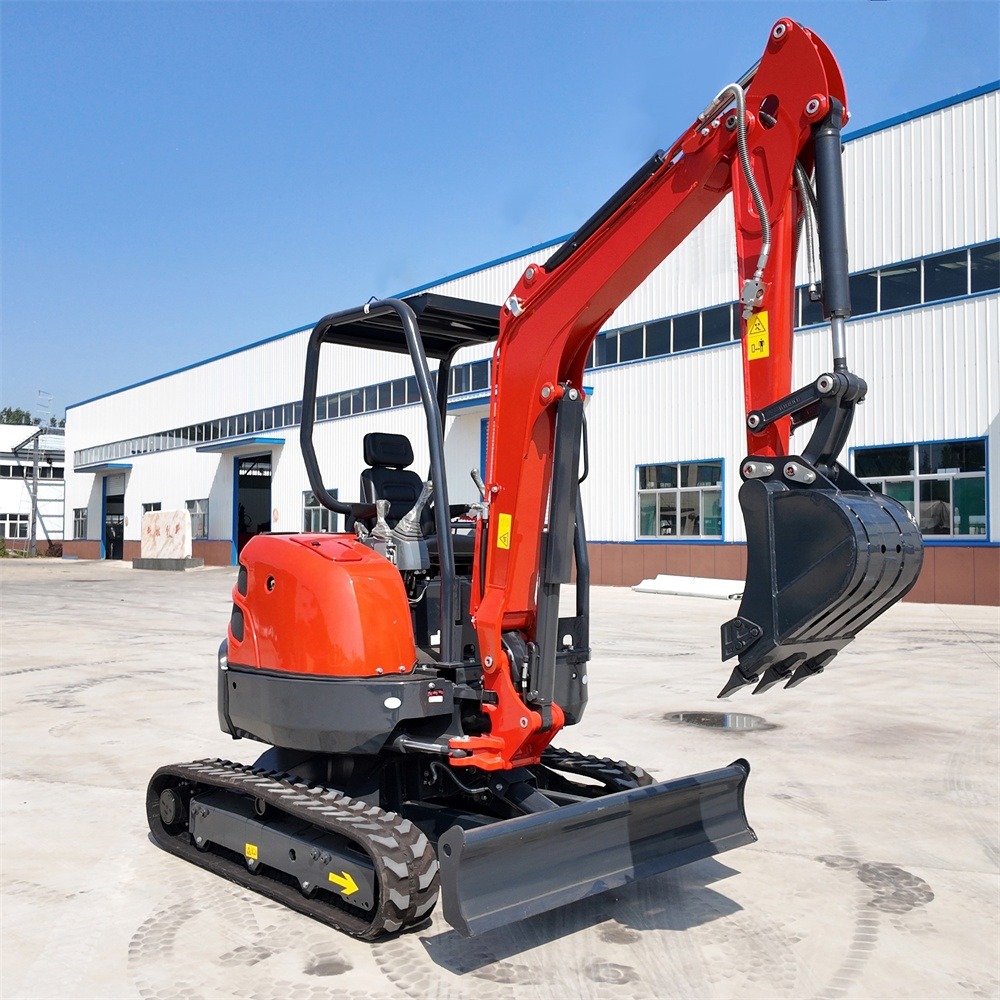
Compact Design and Zero Tail Swing for Confined Access
How the Compact Size of a Mini Excavator Enables Access to Restricted Sites
Mini excavators range from 2.3–5 ft (0.7–1.5m) in width, allowing them to pass through standard doorways, narrow alleyways, and indoor spaces inaccessible to larger machinery. Models measuring around 3.3 ft (1m) wide are particularly effective for urban renovations and residential projects where space is limited and precision is critical.
Comparative Analysis of Mini Excavator Dimensions vs. Standard Excavators
Regular excavators need about 12 to 24 inches of space behind them when they turn around, which makes it tough to work in cramped spots. Mini excavators with zero tail swing design solve this problem by keeping the heavy part of the machine right inside the tracks instead of sticking out the back. The difference is huge actually these ZTS models take up roughly 60% less room overall. Contractors can now get into places that are just 8 feet wide while standard equipment needs at least 14 to 18 feet of clear space. This means jobs in tight quarters like between buildings or along narrow roads become much more manageable without having to worry about damaging anything behind the machine.
Understanding Zero Tail Swing and Its Impact on Operational Safety in Confined Areas
The ZTS design keeps all parts contained within the machine's base area during rotation, making it much safer for tight spaces where equipment often gets crowded. Workers can operate just 6 inches away from walls, fences, or even buried pipes without worrying about hitting anything. According to field tests conducted in city construction zones, machines with this containment system cut down accidents by around three quarters compared to traditional models that swing out completely. That kind of difference really matters when working near sensitive infrastructure or in areas with limited space.
How Mini Excavator Design Prevents Damage to Surrounding Structures
When builders integrate the counterweight directly into the frame design, ZTS machines become much safer around buildings and other structures. Real world data from older neighborhoods and crowded city areas shows these machines cut down on accidental damage by nearly 90%. The side shift feature makes all the difference too. Operators can slide the digging arm sideways without having to constantly move the whole machine back and forth, which saves time and keeps delicate surroundings untouched during excavation work.
Superior Maneuverability and Precision in Tight Environments
Turning radius and track system innovations enhancing tight-space performance
The latest mini excavators come equipped with retractable undercarriages and those clever sloped tail designs, which let them turn in circles smaller than 1.5 meters. That's about 60 percent tighter than what regular excavators can manage. What does this mean? These machines can spin all the way around 360 degrees without their tails getting in the way when they rotate. Pretty handy stuff when digging next to walls or navigating tight spaces between structures. Construction crews have actually tested these features extensively during recent projects inside buildings where space was at a premium. The results speak for themselves.
Precision control and responsive hydraulics in mini excavator systems
Equipped with micro-valve hydraulic systems, mini excavators deliver bucket control accuracy within 2 millimeters—critical when excavating near buried utilities such as gas lines at 0.9m depth. This level of responsiveness reduces accidental utility strikes by 34% compared to conventional machines, according to ICC 2023 data.
Trend: Integration of smart sensors for obstacle detection in tight environments
LIDAR-based proximity alerts and 270° camera systems now provide real-time blind-spot monitoring, enhancing situational awareness. Contractors using automated collision prevention features report a 73% reduction in contact incidents during alleyway operations.
Case study: Navigating alleyways in residential neighborhoods with mini excavators
A Philadelphia contractor replaced sewer lines in 2.4-meter-wide alleys using a zero-tail-swing mini excavator, maintaining just 15cm clearance from century-old brick walls. The project was completed 22% faster than estimated, with minimal disruption to surrounding properties.
Efficient Digging, Trenching, and Site Preparation in Limited Spaces
Effectiveness of Mini Excavators for Digging in Tight Areas Without Disruption
The 2023 Equipment Efficiency Report states that mini excavators hit around 89% efficiency when working in tight spots. These machines have this really narrow body, about 2.5 to 3.5 feet wide, which makes them able to squeeze through gaps between buildings or get under structures where there isn't much clearance. What makes these little guys so good at what they do? Well, they come with special radial lift paths that minimize side to side movement during digging operations. The buckets are sized just right too, ranging from 18 to 24 inches across, allowing operators to dig with incredible precision. Plus, these machines aren't nearly as loud as regular excavators either, clocking in at only 94 decibels. That means they produce about 35% less noise overall, making them much friendlier for jobs near residential areas or sensitive environments.
Optimized Trenching Depth and Width Capabilities for Utility Installations
These machines can dig trenches up to 14 feet deep and 16 inches wide, making them ideal for water lines, electrical conduits, and fiber optic installations. A 2024 analysis of urban utility projects found that mini excavators reduced ground vibration by 62% compared to backhoes, minimizing risks to adjacent fragile infrastructure.
| Trench Type | Ideal Mini Excavator Size | Speed Advantage vs Standard Equipment |
|---|---|---|
| Electrical Conduit | 3-ton | 38% faster |
| Sewer Lateral | 5-ton | 27% faster |
Clearing, Grading, and Leveling With Minimal Footprint Equipment
Mini excavators outperform skid steers in key site preparation metrics:
- Slope stability: Operate safely on inclines up to 23°, versus 17° for skid steers
- Ground pressure: Exert 4.3 PSI compared to 7.1 PSI, reducing surface damage
- Grade accuracy: Achieve ±0.5” precision when equipped with laser-guided systems
Their zero-tail-swing design also prevents 92% of accidental contact incidents in spaces under 8 feet wide, based on CONEXPO 2023 safety data.
Case Study: Underground Plumbing Installation in Historic District
In a protected Boston neighborhood, contractors replaced aging cast-iron pipes using a 4-ton mini excavator equipped with an 180° offset boom, rubber tracks to preserve cobblestone streets, and 3D GPS to avoid century-old gas lines. The project finished 34% under budget and preserved 97% of existing pavement—results unattainable with larger equipment.
Versatile Attachments and Boom Configurations for Urban Applications
Modern mini excavators meet diverse urban demands through modular attachments and adaptable boom systems. Quick-coupler adoption has risen 40% since 2021, driven by contractor demand for rapid tool changes and multi-functional performance, according to BusinessWire 2023.
Variety of Boom and Arm Setups for Enhanced Reach and Precision
Telescopic booms extend up to 16 feet while maintaining chassis stability, enabling efficient digging near walls without frequent repositioning. Zero-clearance offset arms allow operation within 2 inches of lateral play, essential for trenching alongside building foundations.
Thumb Attachments and Quick-Coupler Systems for Multi-Functional Use
Hydraulic thumbs provide up to 5,000 lbf of clamping force, transforming buckets into effective material handlers for pipes or debris. Combo buckets with quick-change functionality cut attachment swap times by 73% compared to manual systems, as documented in the 2024 Attachment Compatibility Report.
Side-Shift Undercarriages and Their Role in Offset Digging Near Walls
Operators can shift the undercarriage up to 14 degrees laterally, positioning the digging tool beyond the machine’s footprint. This capability increases lateral coverage by 30% from a fixed position, reducing the need for risky adjustments near architectural features.
Strategy: Selecting the Right Arm Type Based on Job-Site Geometry
Radial lift arms excel in vertical-wall excavation requiring straight-down digging, while vertical lift configurations are better suited for over-the-side loading in narrow alleys. Field tests show that pairing tilt-rotator heads with short-radius arms improves placement accuracy to within 0.5-inch tolerances in congested environments.
Why Mini Excavators Dominate Residential and Urban Construction
Why Contractors Prefer Mini Excavators for Residential-Scale Work
Mini excavators are increasingly favored for residential projects due to their agility in confined yards and between structures. They eliminate extensive manual labor, cutting project timelines by 15–25%. Lower fuel consumption—up to 40% less than standard excavators—and reduced transport costs make them economically advantageous for urban-scale jobs.
Size and Weight Specifications Tailored for Urban or Restricted Sites
Weighing under 7 tons and featuring track widths as narrow as 35 inches, mini excavators easily navigate sidewalks and standard gates. Their compact size results in 30% lower ground pressure, protecting driveways, lawns, and pavements. Combined with side-shift capabilities, they enable digging within 2 inches of walls without relocating the machine.
Trend: Rising Adoption in City Infrastructure Maintenance and Repair
According to the latest numbers from PR Newswire 2024, most urban areas have started relying on those little excavators for about 58% of all repair work these days. We're talking things like fixing up utilities and clearing out storm drains. These machines really shine when working inside busy streets because they can get the job done without blocking roads as long. Some cities report cutting down road closures by around 60% thanks to them. And now there are even versions equipped with sensors that help keep pedestrians safe in crowded spots. This makes sense why so many towns see these compact diggers as part of building smarter, greener cities over time.
FAQs
What are mini excavators primarily used for?
Mini excavators are mostly used for compact and urban areas due to their ability to maneuver in confined spaces. They are ideal for digging, trenching, and site preparation tasks in restricted environments without causing damage to surrounding structures.
How do mini excavators differ from standard excavators?
Mini excavators are smaller in size, with dimensions often ranging from 2.3–5 ft in width, allowing access to areas inaccessible to standard excavators. They feature a zero tail swing design that enhances operational safety and minimizes workspace requirements.
Are mini excavators efficient for trenching and digging?
Yes, mini excavators are efficient for trenching and digging in tight areas. They can dig trenches up to 14 feet deep and offer optimized precision and control, making them perfect for utility installations in urban spaces.
Why is zero-tail swing important in mini excavators?
Zero-tail swing design is important because it allows the mini excavator to rotate without any part of its tail sticking out, reducing the risk of damage to surrounding structures and enhancing safety in confined spaces.
How do smart sensors contribute to mini excavator functionality?
Smart sensors, such as LIDAR and camera systems, enhance situational awareness by providing real-time monitoring and obstacle detection. This technology contributes to reduced contact incidents during operations in tight environments.
Table of Contents
-
Compact Design and Zero Tail Swing for Confined Access
- How the Compact Size of a Mini Excavator Enables Access to Restricted Sites
- Comparative Analysis of Mini Excavator Dimensions vs. Standard Excavators
- Understanding Zero Tail Swing and Its Impact on Operational Safety in Confined Areas
- How Mini Excavator Design Prevents Damage to Surrounding Structures
-
Superior Maneuverability and Precision in Tight Environments
- Turning radius and track system innovations enhancing tight-space performance
- Precision control and responsive hydraulics in mini excavator systems
- Trend: Integration of smart sensors for obstacle detection in tight environments
- Case study: Navigating alleyways in residential neighborhoods with mini excavators
- Efficient Digging, Trenching, and Site Preparation in Limited Spaces
- Versatile Attachments and Boom Configurations for Urban Applications
- Why Mini Excavators Dominate Residential and Urban Construction
- FAQs