
 EN
EN
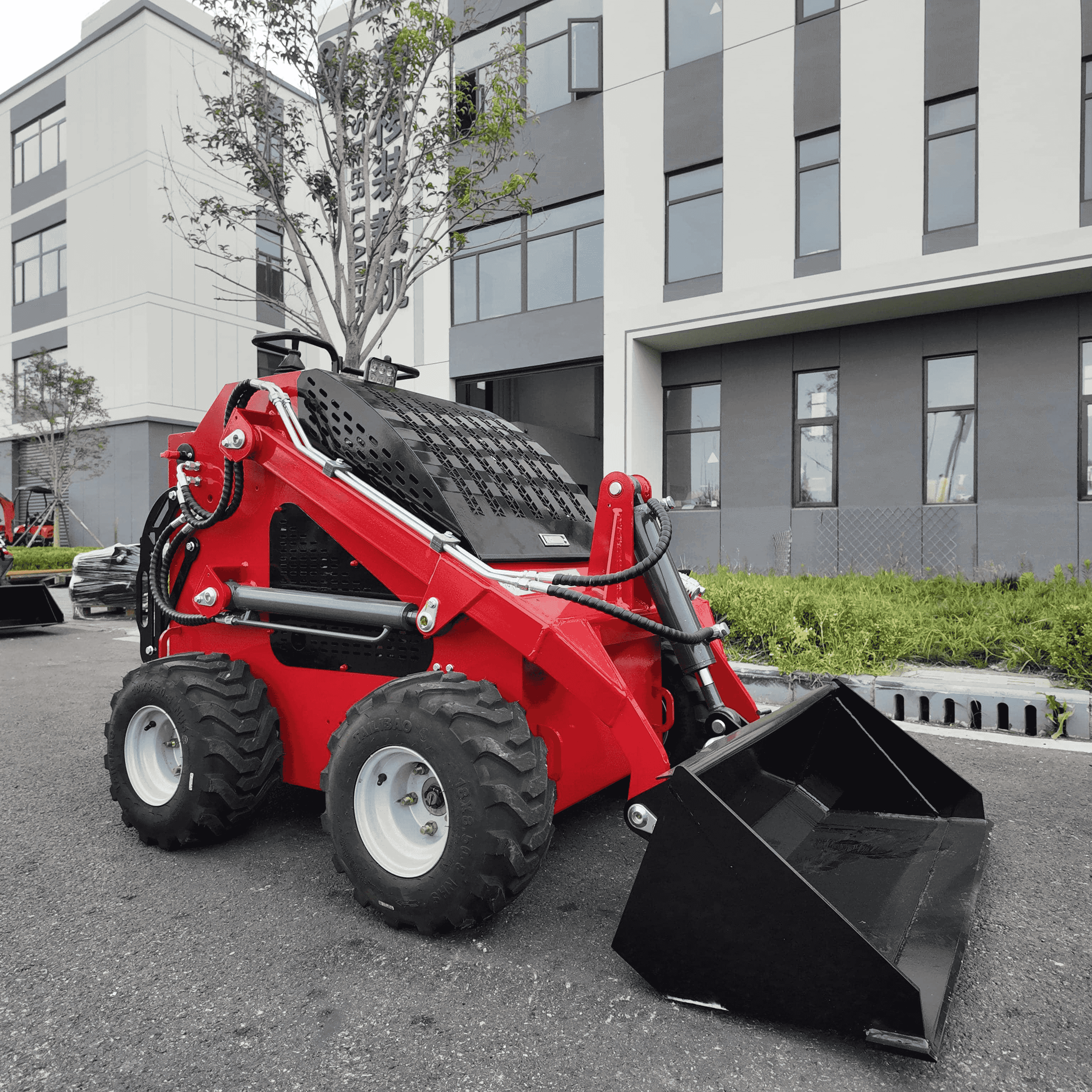
Assessing Skid Steer Loader Compatibility with Attachments
Matching Skid Steer Size and Lift Capacity to Attachment Requirements
All skid steer loaders have certain physical limitations when it comes to what attachments they can safely operate. The bigger machines with over 2500 pounds lifting power generally work well with heavy duty attachments such as pallet forks or augers. Smaller models under around 1800 pounds typically perform better with lighter equipment like sweepers or small brooms. Operators should always check that whatever tool is being attached weighs no more than about 15 to maybe even 25 percent less than what the loader is rated for. This helps avoid putting too much stress on the hydraulics system and reduces the risk of the whole machine tipping over during operation. Safety manuals from material handling organizations back up these recommendations.
Evaluating Horsepower and Hydraulic System Compatibility for Optimal Performance
The hydraulic flow rate measured in gallons per minute (GPM) along with pressure in pounds per square inch (PSI) needs to match what the attachments actually need. Take a regular 60 GPM setup for instance it works fine for those basic digging buckets most of the time. But when someone tries to run something power hungry like a cold planer, they'll find themselves short on juice since these tools typically need another 18 to maybe even 25 GPM extra. When there's not enough hydraulic power coming through from the auxiliary system, things start getting inefficient pretty quickly. Real world experience shows that machines running underpowered hydraulics can lose almost half their productivity according to field reports from equipment operators across different industries.
Understanding Hydraulic Flow and Pressure Needs for Advanced Attachments Like 4-in-1 Buckets
Specialized attachments require precise hydraulic configurations:
| Attachment Type | Minimum Flow (GPM) | Pressure (PSI) |
|---|---|---|
| 4-in-1 Bucket | 18 | 3,000 |
| Brush Cutter | 12 | 2,500 |
| Concrete Breaker | 25 | 3,500 |
Multi-function tools demand higher flow; for example, a 4-in-1 bucket requires 50% more GPM than a standard bucket to operate its clamshell and grading functions simultaneously.
Ensuring Weight Balance and Stability When Using Heavy-Duty Attachments
Front-heavy attachments like rock grapples or trenchers increase rear-wheel lift risk by 70% on slopes over 10°. When using attachments that exceed 35% of the loader’s rated capacity, counterbalance with wheel weights or rear-mounted ballast boxes to maintain stability.
Matching Attachments to Job Site Requirements and Applications
Identifying Core Tasks (Digging, Loading, Spreading) to Determine Ideal Bucket Types
Begin by identifying your primary tasks. For moving loose gravel, a low-profile dirt bucket offers optimal retention. When both digging and handling are required, a 4-in-1 bucket provides versatility. Consider these key questions:
- Are you loading aggregate (standard bucket) or clearing snow (high-capacity snow bucket)?
- Do you need to grade while transporting material (multi-purpose bucket recommended)?
Selecting Attachments Based on Project Scope, Terrain, and Material Type
When working in areas with lots of granite, it makes sense to go with those heavy duty rock buckets since they stand up better against all that abrasion. Muddy ground tells a different story though - tracked undercarriages work much better there compared to regular wheels which just sink in. As far as hydraulics go, there's quite a range we're talking about here. Basic augers typically need around 25 gallons per minute, but if someone wants to run a hydraulic hammer, they'll need closer to 35 GPM or even more depending on what exactly they're doing. For dealing with demolition waste, skeleton buckets are pretty much essential because they let smaller stuff fall through while keeping larger pieces contained. And when transporting materials made of concrete, nothing beats those sealed buckets that keep everything inside where it belongs without any messy leaks along the way.
Maximizing Productivity by Aligning Attachment Functionality with Job Site Demands
When contractors pair the right bucket type with the material density they're working with, cycle times speed up by around 18%, EquipmentWorld reported last year. Grading buckets come with those angled blades that really cut down on time spent preparing land surfaces. And don't forget about pallet forks built for rough ground conditions these days either they cut spillage problems almost in half, about 40% less mess overall. Look for attachments that tackle several issues at once. Take high lift buckets for instance they make loading trucks much easier when space is limited in city construction zones where every inch counts.
Exploring Common and Specialty Skid Steer Attachments
Overview of Standard Skid Steer Buckets: Dirt, Utility, Snow, and Multi-Purpose
Most construction and landscaping operations simply wouldn't work without standard buckets as their basic building block. For digging and earthmoving jobs, dirt buckets with those extra strong edges really shine when working through tough terrain or doing rough grading work. The utility buckets come in sizes from around 60 to 72 inches wide and they're pretty versatile for all sorts of mixed tasks, especially when clearing away debris after demolition projects. When winter hits, snow buckets become essential equipment. These specialized models have those angled blades plus durable polyurethane cutting edges that actually manage to push aside 15 to 30 percent more snow with each pass compared to regular plows. And let's not forget about multi-purpose buckets which combine digging capabilities with grading functions and even some retention features built right in. This integration cuts down on switching attachments during typical landscaping jobs by roughly 40%, saving both time and money across the board.
Specialty Attachments for Niche Applications: Stump Grinders, Rock Buckets, Concrete Buckets
Specialty tools enhance performance in demanding conditions:
- Stump grinders process up to 30 stumps per day using 1,200 RPM cutting wheels
- Rock buckets with 2-inch spaced tines separate debris at quarries
- Concrete buckets with adjustable chutes enable ±0.5-inch accuracy for slab pours
These tools deliver 2–3 times faster completion rates in targeted applications like land clearing or precision pouring.
Benefits of Attachment Versatility in Enhancing Skid Steer Loader Efficiency
When skid steers can work with at least six different attachments, they cut down on project delays by around 55% compared to machines that only handle one tool at a time. Field workers often mention getting about 30% more work done each week simply by switching between tools as needed for different tasks like leveling rough ground with rock rakes or picking up materials using pallet forks. What starts as just another piece of equipment costing roughly $50,000 becomes something much more versatile over time. Farmers and builders alike find these machines pay for themselves faster because they don't need separate specialized gear for every job site requirement anymore.
Quick Couplers and Universal Attachment Systems
How Quick Couplers Streamline Attachment Changes on Skid Steer Loaders
Modern couplers reduce swap times from hours to minutes through three main designs:
- Manual couplers (pin-lock systems) suit infrequent changes
- Hydraulic couplers allow tool-free switching from the cab, cutting changeover time by 70%
- Semi-automatic systems offer a cost-effective balance for mixed fleets
Hydraulic coupler adoption increases daily productivity by 19% on average by minimizing non-operational downtime.
Universal Mounting Systems and Compatibility Across Skid Steer Models
ISO-compliant mounting plates (e.g., Global Carrier, Euro) enable 84% of attachments to work across major brands including Bobcat, CAT, and Kubota. Key compatibility factors include:
- Mounting plate dimensions (tolerances ≤ 2mm)
- Locking mechanism geometry (hook spacing and angles)
- Hydraulic connector types (flat-face vs. pioneer fittings)
Retrofit kits are now available from top manufacturers to upgrade loaders from 2010 onward to current universal standards.
Ensuring Seamless Integration Between Attachments and Loader Coupling Mechanisms
Before connecting any attachment, verify three critical parameters:
- Weight capacity alignment – Ensure attachment mass does not exceed the loader’s rated capacity
- Hydraulic flow matching – Tools needing >25 GPM require high-flow loader configurations
- Pressure relief calibration – Set within 10% of the manufacturer’s specifications
Field technicians recommend monthly inspections of coupler wear points—pins, bushings, and seals—to maintain play tolerance below 0.5mm and ensure long-term reliability.
FAQ
What is the importance of matching skid steer size to attachment requirements?
Matching the skid steer size to attachment requirements ensures safety and efficiency. Using attachments that are too heavy can stress the hydraulic system and risk machine tipping.
Why is hydraulic flow and pressure compatibility crucial?
Hydraulic flow and pressure compatibility are crucial for optimal performance. Without sufficient hydraulic power, attachments become inefficient, reducing productivity.
How can skid steer loaders maintain stability with heavy-duty attachments?
To maintain stability with heavy-duty attachments, use counterbalance methods like wheel weights or rear-mounted ballast boxes.
Table of Contents
-
Assessing Skid Steer Loader Compatibility with Attachments
- Matching Skid Steer Size and Lift Capacity to Attachment Requirements
- Evaluating Horsepower and Hydraulic System Compatibility for Optimal Performance
- Understanding Hydraulic Flow and Pressure Needs for Advanced Attachments Like 4-in-1 Buckets
- Ensuring Weight Balance and Stability When Using Heavy-Duty Attachments
- Matching Attachments to Job Site Requirements and Applications
- Exploring Common and Specialty Skid Steer Attachments
- Quick Couplers and Universal Attachment Systems
- Universal Mounting Systems and Compatibility Across Skid Steer Models
- Ensuring Seamless Integration Between Attachments and Loader Coupling Mechanisms
- FAQ