
 EN
EN
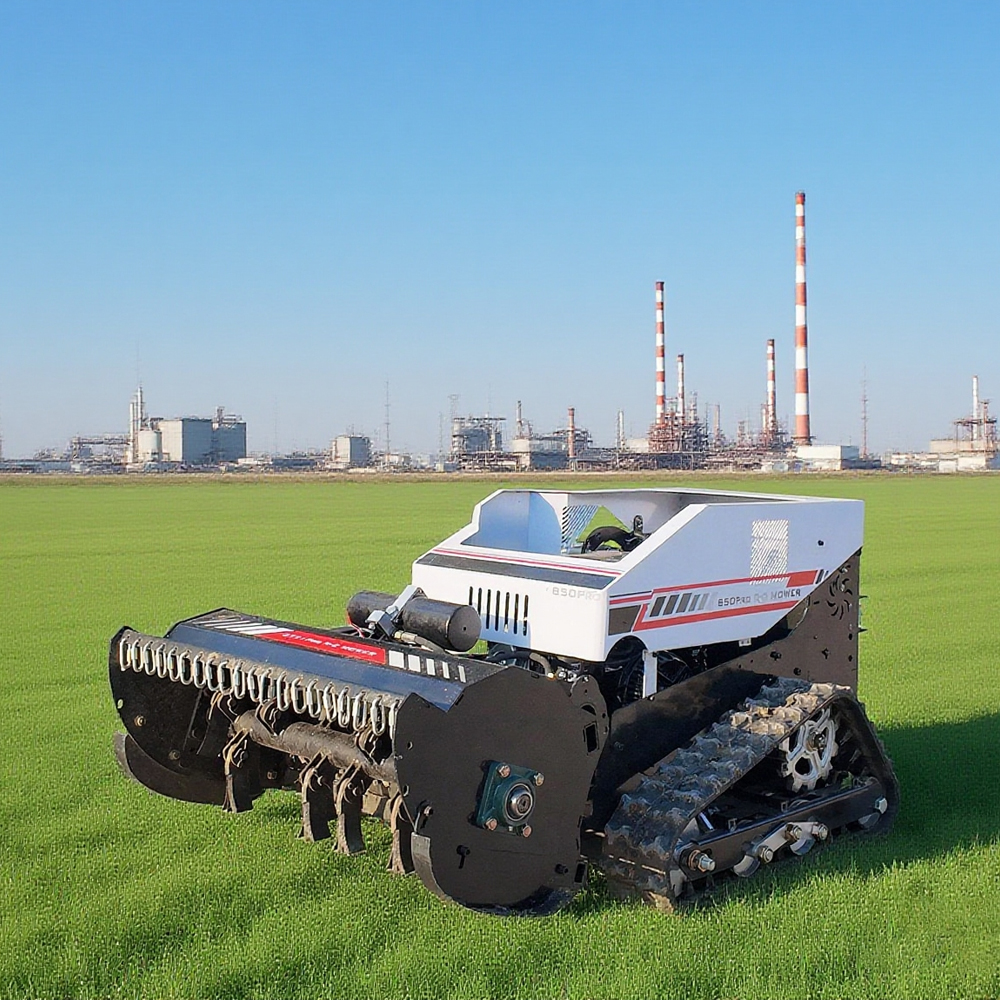
Assessing the Scale and Maintenance Demands of Large-Area Green Spaces
Defining Large-Area Green Spaces and Their Maintenance Challenges
Green spaces covering more than five acres are commonly found in places like public parks, college grounds, and athletic fields. Managing these areas comes with its own set of problems including bumpy ground surfaces, all sorts of plants growing together, plus those tight mowing deadlines city officials always impose. According to research published last year about optimizing landscapes, around two thirds of urban green areas have real trouble finding the right balance between looking good and keeping costs down. Things get even trickier when there are steep hills to deal with, lots of obstacles scattered across the property, and unpredictable weather conditions limiting when workers can actually do their jobs. All this means special machinery is often needed along with careful planning just to keep these large spaces looking presentable without breaking the bank.
Key Performance Requirements for Commercial-Grade Lawn Mower Systems
Effective maintenance of large areas demands lawn mowers with:
- 3.2+ acres/hour cutting capacity to meet tight schedules
- 300+ lb/ft² chassis strength for durability on rugged terrain
- 10+ mph transport speeds for rapid transitions between zones
Modern commercial systems now integrate GPS tracking and automated height adjustments, reducing manual interventions by 25% compared to legacy models. Operators prioritize low-vibration designs and ergonomic controls to minimize fatigue during 6–8 hour shifts.
Data Insight: Average Mowing Time Reduction with Optimized Lawn Mower Selection
According to landscape professionals across the country, switching to specialized equipment cuts down job completion times by around 35 to almost 50 percent. Take for instance a recent study covering 42 different city parks in 2023. When these parks upgraded their old 42 inch mowers to newer zero turn models with those wide 60 inch cutting decks, they found themselves spending significantly less time on grass cutting each week. The numbers tell the story pretty clearly too – instead of putting in roughly 120 hours weekly, crews were able to finish the same amount of work in just 72 hours. For properties covering about 20 acres, this kind of improvement means saving around eighteen thousand dollars every year on labor costs alone. So when it comes to upgrading equipment fleets, these kinds of savings definitely make sense for any park department looking to do more with less.
Evaluating Power Sources: Gas, Electric, and Robotic Lawn Mowers for Sustainability
Gas-Powered Lawn Mowers: Pros and Cons for Extended Daily Use
People still rely heavily on gas powered mowers when dealing with big lawns because they pack serious power and run for hours without stopping. These machines handle thick grass on huge properties pretty well, though there's a downside worth mentioning. According to research from Smart Energy Design Assistance Center back in 2023, one standard gas mower pumps out about 6.2 kilograms of carbon dioxide per acre cut. That's way more than what electric models produce at just 0.45 kg per acre. And let's not forget about all the money spent keeping these beasts running. Commercial landscapers typically shell out around $740,000 each year just for routine maintenance stuff like changing oil, replacing spark plugs, and fixing fuel systems as noted by Ponemon in 2023. Sure, gas mowers deliver that brute force many need, but increasingly folks are questioning whether the environmental toll makes sense in the long run.
Electric Lawn Mowers: Advancements in Battery Life and Torque Output
Electric lawn mowers have come a long way lately and can actually hold their own against gas powered ones these days. The latest lithium ion batteries let most models handle around 3 to 4 acres on a single charge, with enough power to match what a traditional 24 horsepower engine would deliver. According to research published last year, folks who switch over save themselves about 63% less time spent on maintenance each year while also cutting down their energy bills by roughly 41%. Another big plus is those swappable battery packs that keep operations going through multiple work shifts without interruption, which explains why many golf courses and city parks are starting to make the switch. Sure, the initial price tag runs about 30 to 40 percent more than comparable gas models, but most people find that the savings on fuel and repairs balance things out pretty quickly once they factor those expenses into the equation over a five year period.
Emerging Trend: Adoption of Robotic Lawn Mower Systems in Municipal Landscapes
Gilbert, Arizona, and other cities are starting to roll out robotic lawnmower teams for their public parks these days. These machines run on GPS all day every day with hardly anyone watching over them. The savings are pretty impressive too - about half the usual labor costs and no emissions at all, which fits right into what most towns want for greener operations. People who tried them first noticed something interesting: there's way less grass clippings collecting around since these bots cut so often and so precisely. Sure, buying one costs between fifteen and thirty thousand dollars upfront, but when looking at how little energy they actually consume plus needing far fewer people to watch over them, it starts making sense for big open spaces where regular maintenance is needed again and again.
Optimizing Cutting Efficiency Through Lawn Mower Deck Size and Design
Impact of Lawn Mower Cutting Width on Hourly Coverage Rates
The cutting width range for commercial grade lawn mowers goes anywhere between 18 and 72 inches, which makes a real difference when it comes to how much area gets covered each hour. According to research published in the Landscaping Equipment Journal last year, bumping up the deck size from 48 inches to 60 inches can boost coverage by around 30 percent in big open spaces. But here's the catch – those same benefits start to fall off quite a bit once we get into tricky spots with lots of obstacles. Think about areas full of trees or hillsides where bigger machines just can't navigate well. For this kind of work, smaller decks measuring between 42 and 48 inches actually perform better because they're easier to steer around tight corners and through dense vegetation.
Optimal Lawn Mower Deck Size for Mixed Terrain Environments
For uneven landscapes with varied topography:
- 54–60 decks perform best on flat areas such as sports fields and golf course fairways
- 42–48 decks reduce scalping and improve control on slopes up to 15°
A 2023 university trial showed 48 decks achieved 25% higher efficiency than 60 models on mixed terrain by minimizing repositioning and improving contour handling.
Field Data: 60-Inch vs. 48-Inch Deck Mowers in University Campus Maintenance
| Metric | 60 Deck Mower | 48 Deck Mower |
|---|---|---|
| Average acres/hour | 2.8 | 2.1 |
| Fuel consumption | 1.2 gal/hour | 0.9 gal/hour |
| Slope adaptability | 68% | 92% |
| Maintenance costs | $0.38/acre | $0.29/acre |
Source: Midwest University Groundskeeping Report 2024
The data highlights a key tradeoff: while 60 decks completed campus mowing 30% faster, they incurred 24% higher fuel and maintenance costs compared to 48 models.
Trade-Offs Between Wide-Deck Lawn Mower Speed and Maneuverability
Most 72 inch zero turn mowers hit around 5.5 miles per hour, but going faster than 4 mph actually cuts down on cutting quality by about 40%. The reason? Airflow gets messed up underneath the mower deck when it moves too fast. Manufacturers have started adding some clever design changes though. Newer models come with curved decks and those adjustable baffles that help keep suction going even at higher speeds. This kind of tech breakthrough happened recently in 2024 and made blade tips work better by roughly 18%, according to field tests. Gardeners who push their machines beyond safe limits might notice this difference firsthand during regular maintenance checks.
Analyzing Durability and Total Cost of Ownership Across Lawn Mower Models
Long-Term Cost Analysis of Commercial Lawn Mower Ownership
When looking at total cost of ownership, most people forget it's not just about what something costs when bought. Take gas powered equipment for instance, fuel alone eats up between 55 to 70 percent of all operating costs over five years. Electric alternatives tell a different story though, where battery replacements become the main ongoing expense instead. Looking at maintenance numbers from Landscape Management Index in 2023 shows annual upkeep typically runs anywhere from $180 up to around $400. Recent research back in 2024 compared twelve different commercial models and discovered something interesting electric mowers actually had total costs 40 percent lower than similar gas models because they have fewer parts that break down and spend less time sitting idle for repairs. And let's not overlook the hidden savings too professionals save money every day by not having to stop work for refueling breaks, which makes these machines even more attractive for businesses running large operations.
Common Failure Points in Heavy-Duty Lawn Mower Systems
When it comes to gas powered commercial mowers, most repair work tends to focus on engine parts, which make up anywhere from 20 to 35 percent of all maintenance needs. Deck welds are another common problem area, failing somewhere between 15 and 25 times out of 100 cases. For zero turn models, hydraulic system problems create about 18 percent of service calls, mostly because seals tend to break down when exposed to excessive heat during operation. Electric mowers have their own challenges too. Battery life seems to be the main issue here, with around six out of ten operators needing new batteries every three to five years according to industry data from last year. Higher end equipment actually handles these problems better thanks to stronger steel construction and wiring that can withstand temperature extremes. These premium machines cut down on early failures by roughly half when compared with cheaper residential models.
Industry Paradox: Higher Upfront Cost vs. Lower TCO in Premium Lawn Mower Brands
| Cost Factor | Economy Gas Mowers | Premium Electric Mowers |
|---|---|---|
| Initial Purchase | $1,200–$1,800 | $2,500–$3,200 |
| Annual Energy | $380 | $90 |
| Maintenance | $325 | $120 |
| 5-Year TCO | $3,500 | $2,000 |
The 2023 Commercial Equipment ROI Study shows something interesting about electric mowers. For cities cutting grass on properties over 50 acres each week, these electric fleets actually reach the same cost point as their gas counterparts after just 18 months of operation. What makes this even more compelling are those extended warranty periods for commercial grade electric systems. They last around 7 years compared to only 3 years for traditional gas models. This longer protection period really cuts down on potential repair costs down the road. No wonder then that nearly two thirds (about 68%) of landscaping businesses have started looking at equipment through the lens of total ownership costs rather than just what they pay upfront when making purchases.
FAQ
What are the advantages of electric lawn mowers compared to gas-powered ones?
Electric lawn mowers offer numerous benefits, including reduced emissions, lower maintenance costs, and decreased fuel expenses. They run quietly and reduce environmental impact, attracting many operators despite the higher upfront costs.
How do robotic lawn mowers work in maintaining large green spaces?
Robotic lawn mowers utilize GPS technology to navigate and operate autonomously, reducing labor costs and minimizing emissions. They're particularly useful in extensive areas where continuous grass trimming is required.
Why is deck size important in lawn mower selection?
The deck size of a lawn mower influences its coverage rate and maneuverability. Larger decks can cover more ground but might struggle in tricky terrains, whereas smaller decks offer better control in confined spaces.
What's the long-term cost benefit of premium electric mowers?
Premium electric mowers can be more expensive initially but offer significantly reduced operating costs over time. With fewer parts to maintain and cheaper energy costs, the total cost of ownership over several years is typically lower than gas-powered models.
Choose Logway: Professional Lawn Mowers for Large-Area Green Space Maintenance
Table of Contents
- Assessing the Scale and Maintenance Demands of Large-Area Green Spaces
- Evaluating Power Sources: Gas, Electric, and Robotic Lawn Mowers for Sustainability
- Optimizing Cutting Efficiency Through Lawn Mower Deck Size and Design
- Analyzing Durability and Total Cost of Ownership Across Lawn Mower Models
- FAQ
- Choose Logway: Professional Lawn Mowers for Large-Area Green Space Maintenance