
 EN
EN
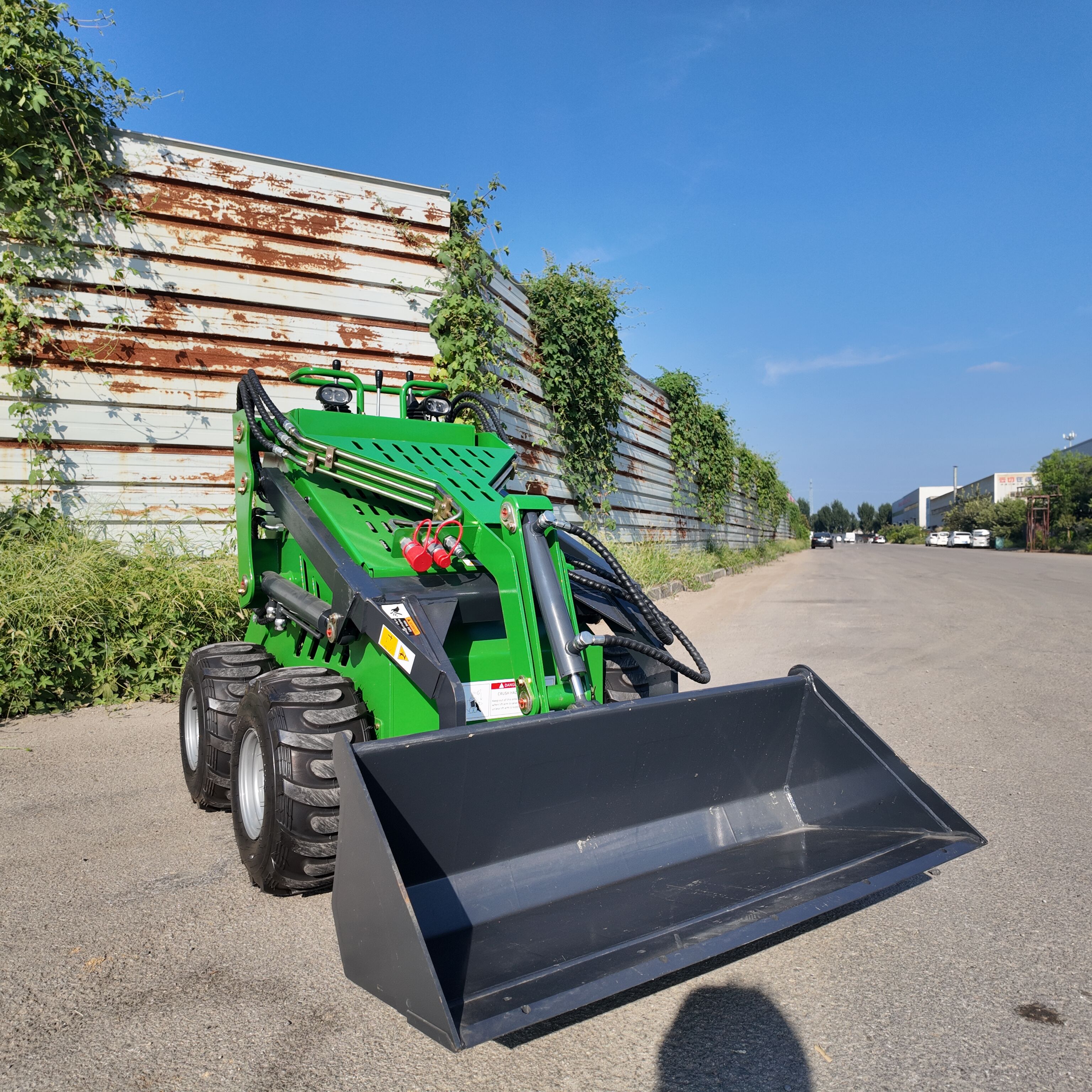
Understanding Skid Steer Loader Capabilities and Core Applications
Skid steer loaders are compact, highly maneuverable machines engineered for efficiency in confined spaces. Their defining feature is a rigid frame and skid-steering mechanism, enabling zero-radius turns that maximize productivity on job sites with limited access. This agility, combined with robust hydraulic systems, allows them to handle diverse tasks—from excavation and material handling to grading and debris removal—using interchangeable attachments like buckets, augers, and trenchers.
Key Capabilities Driving Industrial Adoption
- Compact Power: Despite their size, modern skid steer loaders deliver substantial lifting force (typically 1,500–3,000 lbs) and breakout torque, rivaling larger equipment.
- Attachment Versatility: Over 40 compatible attachments—including pallet forks, snow blowers, and grapples—transform a single unit into a multi-functional tool, reducing the need for specialized machinery.
- Worksite Adaptability: With widths as narrow as 5 feet, they navigate urban construction zones, warehouses, and agricultural settings where bulkier equipment cannot operate.
Core Applications Across Industries
In construction, skid steers excel at site prep, trenching, and material transport. Agricultural operations leverage them for livestock feeding, barn cleaning, and light earthmoving. Landscapers rely on their precision for grading, tree planting, and hardscape installation. Their rapid attachment-switching capability makes them indispensable for contractors managing dynamic project demands.
Critical Performance Specifications for Industrial and Contracting Use
When selecting a skid steer loader for demanding industrial or contracting applications, three core specifications dictate productivity and versatility: lift capacity, operating height/reach, and hydraulic performance. These metrics directly impact daily operational efficiency and return on investment.
Lift Capacity, Height, and Reach Metrics
Lift capacity determines how much material a skid steer can safely handle. For industrial sites, prioritize models with at least 2,500 lbs rated operating capacity to manage palletized goods, construction debris, or heavy aggregates. Vertical lift height (typically 10–12 feet) and dump reach (over 5 feet) are equally critical—insufficient reach forces operators to reposition constantly, wasting up to 15% of cycle time on large-scale projects like site development or warehouse logistics.
Engine Power, Hydraulic Flow, and Attachment Compatibility
Engine horsepower (70–100 HP) must align with hydraulic flow rates (15–30+ GPM), as this tandem powers attachments. High-flow hydraulics (25+ GPM) enable demanding tools like cold planers or trenchers, while standard flow suits augers or grapples. Verify universal attachment interfaces (e.g., ISO 7546 couplers) to avoid costly adapters and ensure seamless switching between specialized tools. Contractors using breakers or mulchers should prioritize auxiliary hydraulic pressure exceeding 3,500 PSI for sustained performance.
Total Cost of Ownership: Acquisition, Maintenance, and Resale Considerations
Upfront Pricing vs. Rental vs. Refurbished Options
When evaluating a skid steer loader, B2B buyers must analyze acquisition pathways. New units typically range from $30k–$70k with full warranties but depreciate 20–30% in the first year. Refurbished models offer ~40% savings on average while maintaining 90%+ functionality. Short-term rentals cost $1,500–$3,500 monthly but become uneconomical beyond 8 months of continuous use. Consider project duration and fleet utilization rates—refurbished units deliver optimal value for moderate-use scenarios exceeding 18 months.
Fuel Efficiency, Service Intervals, and Common Repair Costs
Operational expenses significantly impact TCO calculations. Tier 4-compliant engines reduce fuel consumption by 12–18% compared to legacy models, saving approximately $2,800 annually at current diesel prices. Adhere to 250-hour service intervals to avoid major repairs—delayed maintenance increases failure risks by 65%. Common issues include hydraulic leaks ($400–$600 per incident), undercarriage wear ($1,200+ replacement), and electrical faults ($300–$500 diagnostics). Proactive maintenance cuts lifetime repair costs by 34% versus reactive approaches.
Operator Safety, Ergonomics, and Compliance Requirements
ROPS/FOPS Certification and Cab Options
Rollover Protective Structures (ROPS) and Falling Object Protective Structures (FOPS) are non-negotiable for skid steer loader safety. These certified enclosures reduce fatal crush injuries by 70% during tip-overs. Enclosed cabs with climate control further protect operators from debris and extreme weather, while open-ROPS configurations suit ventilated environments. Always verify that equipment meets ANSI/ISO 12117-2 standards for impact resistance.
Visibility, Controls Layout, and Fatigue-Reduction Features
Operators face long shifts on industrial sites, making ergonomic design critical. Low-vibration suspension seats paired with adjustable controls minimize chronic back injuries—a $23B annual productivity drain. Panoramic windows and rear cameras eliminate blind spots, reducing collision risks by 40%. Foot-operated hydraulics and joystick steering prevent repetitive strain, while OSHA-compliant training programs ensure operators understand site-specific safety protocols for machinery interaction.
Selecting the Right Skid Steer Loader Partner: Support, Warranty, and Fleet Integration
Beyond specifications, choosing a manufacturer with robust post-purchase support directly impacts your fleet’s productivity and total cost of ownership. Prioritize partners offering comprehensive warranty coverage—including bumper-to-bumper protection for at least 12 months—and certified service networks within your operational regions. A 2024 industry study found fleets with responsive technical support reduced unplanned downtime by 32% compared to those without dedicated assistance.
Key considerations include:
- Fleet integration capabilities: Ensure compatibility with telematics systems for real-time performance tracking and maintenance alerts.
- Training resources: Look for partners providing operator certification programs and troubleshooting guides.
- Parts availability: Verify distribution centers can expedite critical components like hydraulic pumps or boom arms.
ROPS/FOPS-certified cabs should be standard, with manufacturers documenting compliance testing. Ultimately, a consultative partner who understands your industry’s unique demands—from road construction to agricultural logistics—will streamline fleet scaling and maximize operational efficiency.
FAQs
What are the main advantages of skid steer loaders?
Skid steer loaders are highly maneuverable machines capable of operating in confined spaces. They offer versatility with interchangeable attachments and robust hydraulic systems that handle diverse tasks such as excavation, grading, and debris removal.
Which specifications should I focus on when choosing a skid steer loader?
Key performance metrics include lift capacity, operating height/reach, hydraulic flow, and attachment compatibility. Assess these based on your project requirements for improved productivity and return on investment.
Are refurbished skid steer loaders a good investment?
Refurbished models can offer substantial cost savings—around 40% on average—while maintaining over 90% functionality. They are ideal for moderate-use scenarios exceeding 18 months.
What safety features should I look for in skid steer loaders?
Safety features such as Rollover Protective Structures (ROPS), Falling Object Protective Structures (FOPS), panoramic windows, and rear cameras are essential for operator safety. Compliance with ANSI/ISO 12117-2 standards is also critical.
How can I reduce maintenance costs for my skid steer loader?
Adhere to proactive maintenance schedules, such as 250-hour service intervals, and use Tier 4-compliant engines to reduce fuel consumption and repair costs over the machine’s lifecycle.
Table of Contents
- Understanding Skid Steer Loader Capabilities and Core Applications
- Critical Performance Specifications for Industrial and Contracting Use
- Total Cost of Ownership: Acquisition, Maintenance, and Resale Considerations
- Operator Safety, Ergonomics, and Compliance Requirements
- Selecting the Right Skid Steer Loader Partner: Support, Warranty, and Fleet Integration
-
FAQs
- What are the main advantages of skid steer loaders?
- Which specifications should I focus on when choosing a skid steer loader?
- Are refurbished skid steer loaders a good investment?
- What safety features should I look for in skid steer loaders?
- How can I reduce maintenance costs for my skid steer loader?