
 EN
EN
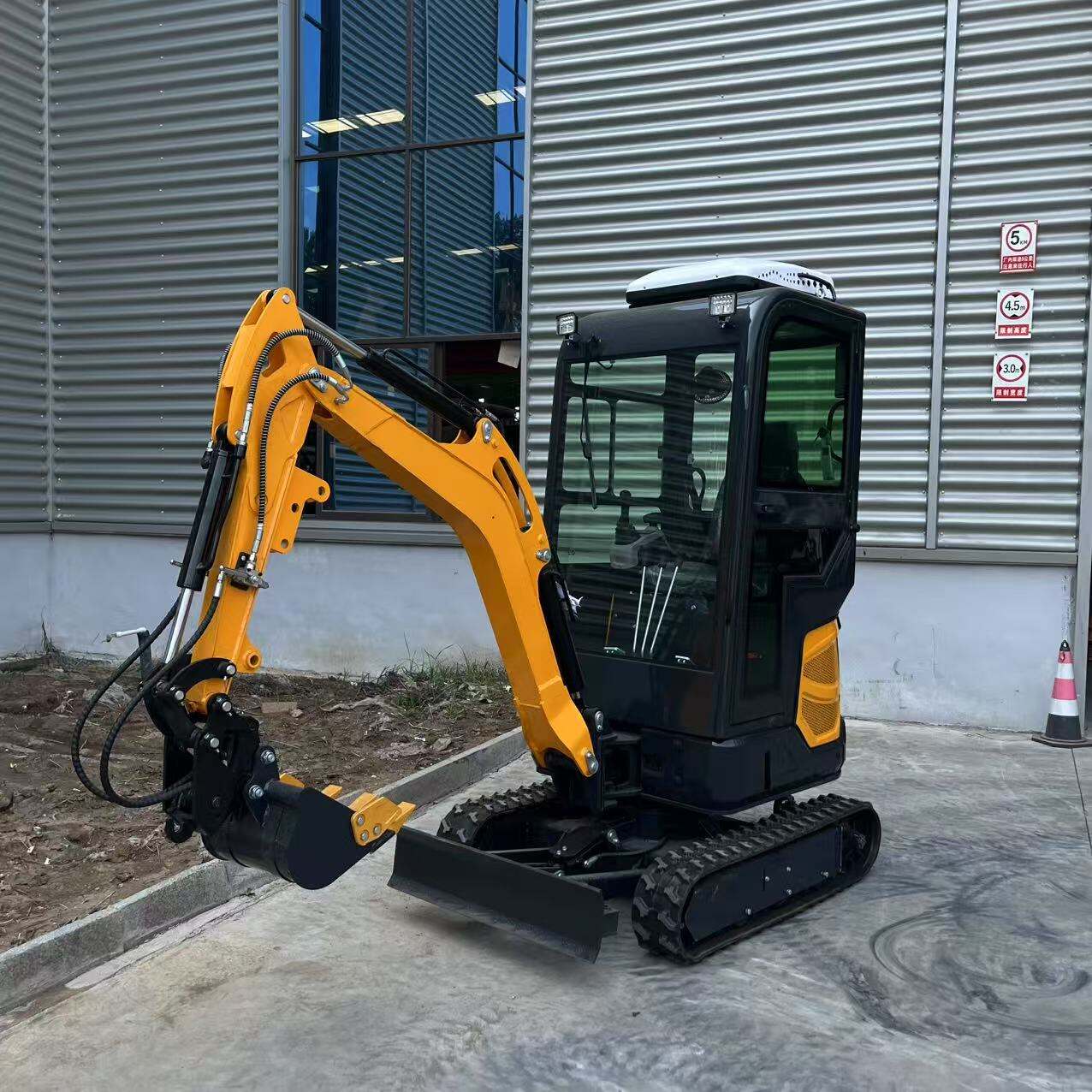
Dealer-Led Service Networks: Structure, Performance, and Gaps
How Mini Excavator Distributors Benefit from Tiered Dealer Support Infrastructure
A well-structured, tiered dealer network significantly elevates after-sales support for mini excavator distributors. Tier 1 dealers—strategically located near high-demand urban areas—deliver direct manufacturer support with certified technicians and comprehensive diagnostic tools. Regional Tier 2 dealers handle preventative maintenance and common repairs, distributing service load and improving geographic coverage. This stratification enables distributors to route warranty claims efficiently, access OEM-certified training for model-specific features (e.g., zero-tail-swing systems), and scale technical support across diverse markets. As validated by the Construction Equipment Association (2024), Tier 1 dealers achieve an 85% first-time fix rate for complex hydraulic issues—demonstrating how tiering strengthens both capability and accountability.
Critical KPIs: First-Time Fix Rate, Mean Time to Repair, and Mini Excavator Field Uptime
Monitoring key performance indicators (KPIs) is essential for diagnosing gaps in mini excavator service networks. First-Time Fix Rate (FTFR) directly impacts customer satisfaction and operational cost—distributors with FTFRs below 70% face 40% higher revisit costs (Field Service Insights, 2024). Mean Time to Repair (MTTR) reflects parts availability and technician proficiency; optimal MTTR for mini excavators falls under 4 hours for common failures. Together, these metrics determine field uptime—high-performing dealers consistently achieve 95%+ machine availability. The table below outlines performance benchmarks:
| KPI | Underperforming Network | Target for Distributors | High-Performing Network |
|---|---|---|---|
| First-Time Fix Rate | < 65% | 75% – 85% | > 90% |
| Mean Time to Repair | > 6 hours | 3.5 – 4 hours | < 3 hours |
| Machine Uptime | < 85% | 90% – 94% | > 95% |
Distributors prioritizing these KPIs reduce downtime-related costs by up to $1,200 per machine monthly—justifying investment in dealer training, parts logistics, and real-time diagnostics.
Warranty & Technical Support Tailored for Mini Excavators
Standard vs. Extended Warranty Terms for Mini Excavator Distributors
Mini excavator distributors typically operate under standard 1-year warranties covering structural defects and major component failures. Extended options (2–3 years) increasingly include wear items like hydraulic hoses and track systems—critical for machines operating in abrasive or high-cycle environments. Though extended programs raise upfront costs by approximately 18%, industry analysis shows they reduce total ownership expenses by 16% through bundled labor coverage and prioritized parts allocation. Distributors managing large rental fleets gain particular advantage by scaling these terms across multiple units—enhancing predictability, reducing unplanned repair exposure, and strengthening long-term customer retention.
Support Implications of Mini Excavator-Specific Features (e.g., Zero-Swing, Articulated Booms)
Compact designs such as zero-tail-swing configurations require specialized diagnostic protocols and tooling for confined-space repairs. Articulated booms demand 47% more hydraulic calibration checks during servicing than standard arms. Addressing these complexities requires OEM-certified training—and manufacturers reinforce this with dedicated technical service bulletins (TSBs) for model-specific electrical and control systems. Support teams using VR simulators for swing-radius collision scenarios report 32% faster fault resolution. Rigorous documentation of these unique requirements ensures distributors maintain optimal uptime while aligning technician competency with evolving machine architecture.
Spare Parts Ecosystem: Availability, Lead Times, and Distribution for Mini Excavators
Just-in-Time Parts Logistics for High-Volume Mini Excavator Models
Leading manufacturers implement Just-in-Time (JIT) logistics to synchronize spare parts delivery with repair schedules. This approach cuts parts inventory costs by 30% while maintaining 95% availability for high-demand components like hydraulic pumps and track assemblies. For mini excavators—which average 250 annual operating hours—JIT systems prioritize next-day delivery of wear-prone parts to minimize equipment downtime. A 20% reduction in lead times correlates directly with a 15% increase in field uptime (Construction Equipment Efficiency Report, 2023). Distributors achieve this through regional parts hubs located within 50 miles of high-density service areas, predictive analytics that flag failure-prone components before breakdowns occur, and real-time inventory tracking across dealer networks. The most efficient systems maintain under 48-hour lead times for 80% of common mini excavator parts—balancing operational continuity against inventory carrying costs without overstocking low-usage items.
FAQs
What is the role of a tiered dealer support infrastructure?
A tiered dealer support infrastructure improves after-sales service by dividing responsibilities among Tier 1 and Tier 2 dealers. Tier 1 focuses on high-demand urban areas and complex repairs, while Tier 2 handles standard maintenance and expands geographic coverage.
Why are KPIs crucial for mini excavator service networks?
KPIs like First-Time Fix Rate (FTFR), Mean Time to Repair (MTTR), and machine uptime measure performance, customer satisfaction, and operational efficiency. Tracking these helps distributors optimize cost and reduce downtime.
What are the benefits of extended warranty programs for mini excavators?
Extended warranties cover wear items and major failures, reducing ownership costs and repair exposure while improving customer retention—especially for distributors of large fleets.
How do advanced features like zero-tail-swing affect technical support?
Features like zero-tail-swing require specialized diagnostics and tools. OEM-certified training and updated technical bulletins help distributors manage these complexities effectively.
How do Just-in-Time (JIT) logistics improve spare parts availability?
JIT logistics minimize inventory levels by synchronizing spare parts delivery with repair schedules, ensuring faster lead times and better availability for high-demand components.
Table of Contents
- Dealer-Led Service Networks: Structure, Performance, and Gaps
- Warranty & Technical Support Tailored for Mini Excavators
- Spare Parts Ecosystem: Availability, Lead Times, and Distribution for Mini Excavators
-
FAQs
- What is the role of a tiered dealer support infrastructure?
- Why are KPIs crucial for mini excavator service networks?
- What are the benefits of extended warranty programs for mini excavators?
- How do advanced features like zero-tail-swing affect technical support?
- How do Just-in-Time (JIT) logistics improve spare parts availability?