
 EN
EN
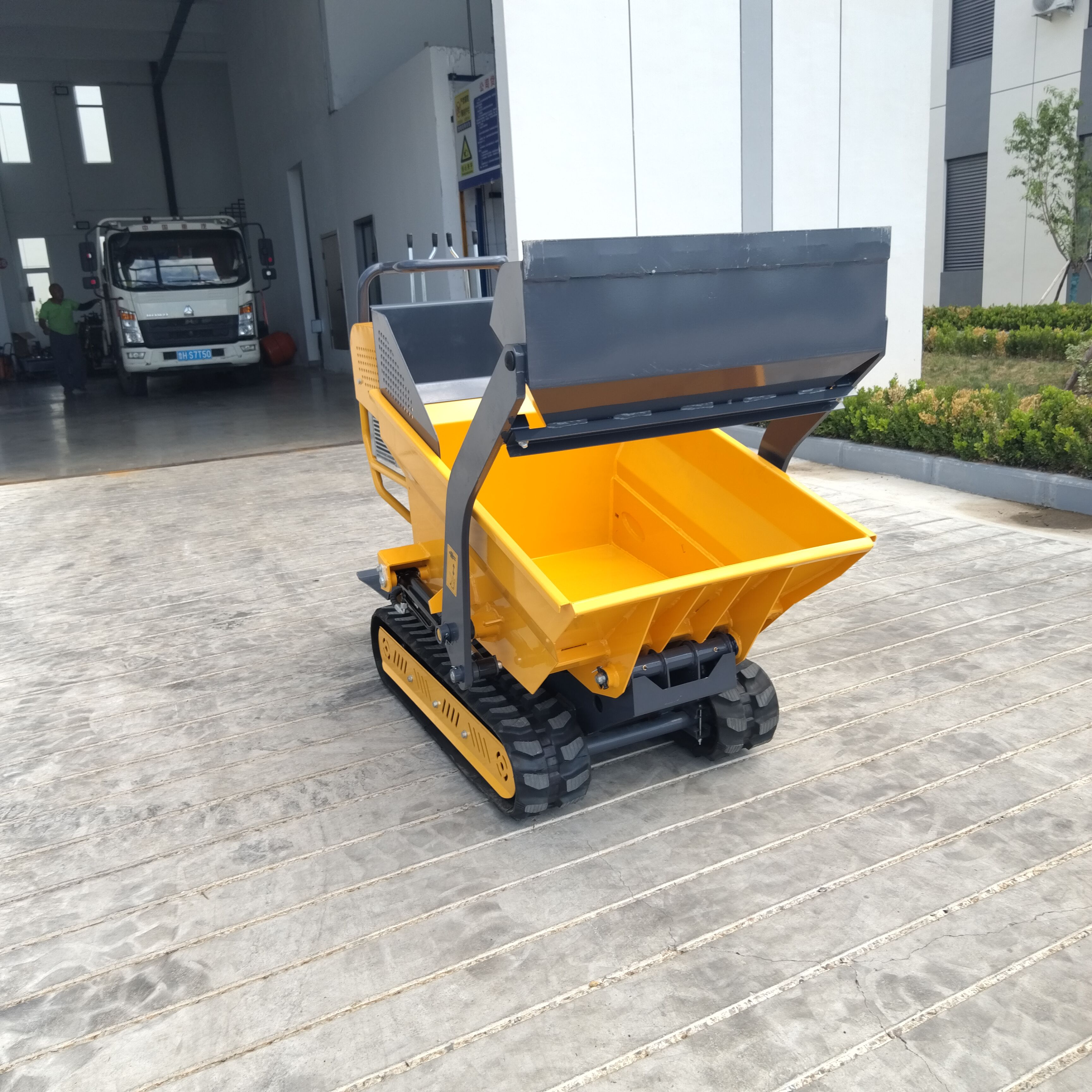
On-Road Dumpers for Standard Construction Hauling
Standard and heavy-duty dump trucks: ideal dumper solutions for gravel, sand, and asphalt
Most standard dump trucks come with solid frames and those big hydraulic beds that can carry anywhere from 15 to 30 tons of stuff like gravel and sand around town. The basic design works really well for getting materials to city construction sites because they just don't break down much. Those hydraulic systems let the truck dump its load consistently every about 60 seconds without any issues. For tougher jobs, there are heavy duty versions too. These have stronger frames and better suspensions so they can handle thick asphalt mixes without everything getting mixed up during the ride. Nobody wants their load all segregated after driving miles. According to what people in the industry say, these trucks do roughly 85% of all material transportation work on paved roads for both homes and businesses since they perform so reliably on flat ground. Most operators go with them when working at sites that aren't too tight or complicated, especially when roads are good enough to keep running those trucks day after day without problems.
Super and transfer dumpers: maximizing payload and maneuverability with tandem axle configurations
Triple axle super dumpers can actually haul about 25% more stuff than regular trucks without breaking any weight laws. These rigs have those little "pup" trailers attached behind them through special tandem axles. The whole system spreads out the weight over more wheels so they can legally move around 40 tons worth of cargo. What makes these trucks really good on highways is how stable they stay when moving at speed. Plus operators can detach the trailer part separately which comes in handy when dumping materials in tight spots or places where damage needs to be avoided. Transfer dumpers work best when jobs need material spread out quickly across several locations. Instead of driving empty back after dropping off a load, the driver just unhooks the trailer right there at the site. Another benefit worth mentioning is that these tandem setups put roughly 30% less pressure on roads compared to single axle trucks. This matters a lot when laying down new pavement because it helps prevent damage to surfaces that are still curing.
Off-Road Dumpers for Unstable or Ungraded Construction Terrain
Articulated haul dumpers: superior traction, articulation, and boulder-handling on rough sites
The articulated haul dumper gets around rough terrain thanks to its pivoting joint system that lets the front and back move independently while keeping all tires firmly planted even when the ground is anything but flat. According to various tests looking at how machines handle different surfaces, these dumpers manage to grab 40 percent more grip on muddy hills compared to their rigid frame cousins. We've seen this play out in real world conditions too. When tested at actual quarries and construction zones, they tackle big rocks without much trouble and keep most of the cargo where it belongs during transport. The hydraulic system works smartly by constantly adjusting wheel positions to stop the machine from tipping over, even on inclines as steep as thirty five degrees. That's why so many operators reach for these machines whenever they need reliable performance across tough landscapes in industries like mining operations, large scale earth moving projects, or building infrastructure deep in remote areas.
- Automatic weight distribution across axles for optimal traction and tire wear
- Tight turning radii—often under 15 meters—for operation in confined staging areas
- On-demand all-wheel drive engagement to match real-time surface conditions
Side-dump and rear-tip dumpers: efficient unloading in tight, steep, or obstructed zones
In situations where there's limited space, tricky slopes, or things hanging over the work area that stop regular dumping, side-dump and rear-tip trucks come into their own for placing materials exactly where needed. The side-dump versions can swing material out sideways almost all the way around (about 270 degrees) and still work when there's only about 1.5 meters of vertical space available. These make life much easier at tunnel entrances, tight city alleyways, and during urban renewal projects. Real world testing has found these machines complete tasks about 25 percent quicker than normal dump trucks in cramped conditions. For steep hills, rear-tip models take advantage of gravity to unload material even on slopes as steep as 35 degrees. This means operators don't have to keep moving the truck back and forth so much, which makes the whole operation safer. Plus, their compact design fits under bridges and other overhead obstacles that would block bigger equipment. Construction crews across the country have turned to these specialized dumpers for mountain roads, areas near bridges, and old industrial sites where standard equipment just doesn't cut it in terms of getting the job done right, safely, and on time.
Specialized Dumpers for Cohesive or Challenging Materials
Bottom-dump and end-dump trailer systems: optimal dumper configurations for sludge, clay, and wet soils
Bottom dump and end dump trailer systems tackle those annoying problems we face when dealing with stuff like sludge, clay, and wet soils that just stick everywhere and won't flow properly. With bottom dump trailers, material comes out right from the center floor gates as the truck moves forward. This spreads everything evenly without creating those pesky piles that everyone hates, making them great for stabilizing soil or placing dredged material exactly where needed. The end dump variety works differently though. These tilt straight up using powerful hydraulic rams so they can get rid of all that sticky clay fast and clean. No residue left behind! Both types save time and hands on work compared to regular dump trucks. Contractors report saving anywhere between 30% to almost half the time spent on jobs involving earthwork or dredging tasks. The way these systems are built specifically handles those frustrating issues most operators run into daily: stuff sticking to everything, inconsistent spreading patterns, and clogged discharge points. This means fewer breakdowns and better productivity even when working in tough environments or complicated geotechnical situations.
Key Dumper Selection Criteria: Matching Capacity, Mobility, and Site Requirements
Selecting the right dumper demands rigorous evaluation of three interconnected criteria: payload capacity, terrain mobility, and site-specific constraints.
Getting payload calculations right matters a lot for transport operations. Contractors need to consider more than just how much space materials take up they also have to factor in things like material density and moisture levels. Getting this wrong can lead to serious problems either way. Overloading trucks puts equipment at risk of breakdowns and might even land companies with fines from regulators. On the flip side, not loading enough means wasting money on fuel and extra trips when workers could be doing other tasks. According to a study by the Ponemon Institute last year, mid sized construction firms are losing around seven hundred forty thousand dollars each year simply because their hauling capacities don't match what's actually needed for jobs.
The type of terrain really determines what kind of chassis and drivetrain makes sense for a vehicle. Machines with articulated frames plus all wheel drive and differential locks tend to grip better when conditions get messy like mud, rocks, or rough unpaved areas. Meanwhile compact machines that can pivot left and right work wonders in tight spots such as city streets or underground tunnels where space is limited. When it comes to rigid frame dump trucks though, these aren't great choices if the ground isn't stable or there are lots of steep hills around since they pose a real danger of tipping over. Most operators learn this lesson the hard way after seeing someone flip their rig on an incline.
Site conditions further refine selection:
- Ground stability determines optimal tire configuration (e.g., turf tires for landscaped areas vs. deep-tread for soft soils)
- Slope gradients require integrated engine braking, retarders, or downhill speed control systems
- Obstruction density influences dump mechanism choice—side-dump for lateral clearance, rear-tip for steep access, bottom-dump for continuous placement
- Environmental compliance may mandate Tier 5 emissions controls or electric/hybrid powertrains in sensitive zones
Balancing these factors ensures optimal haulage efficiency, minimizes unscheduled downtime, and aligns equipment performance with OSHA, ISO 45001, and local safety standards.
FAQ
What are the benefits of using heavy-duty dump trucks over standard ones?
Heavy-duty dump trucks have stronger frames and better suspensions, making them suitable for transporting thick asphalt mixes without content segregation. They perform reliably on paved roads, making them ideal for sites with good road conditions.
Why choose articulated haul dumpers for rough terrains?
Articulated haul dumpers have a pivoting joint system that enhances traction and articulation on unstable surfaces. They offer superior grip, especially on muddy hills, and can handle inclines and rocky conditions effectively.
How do bottom-dump and end-dump trailers handle cohesive materials?
Bottom-dump trailers disperse material evenly as the truck moves forward, ideal for stabilizing soil. End-dump trailers use hydraulic rams to tilt materials out efficiently, preventing leftover residue, and saving time in earthwork.