
 EN
EN
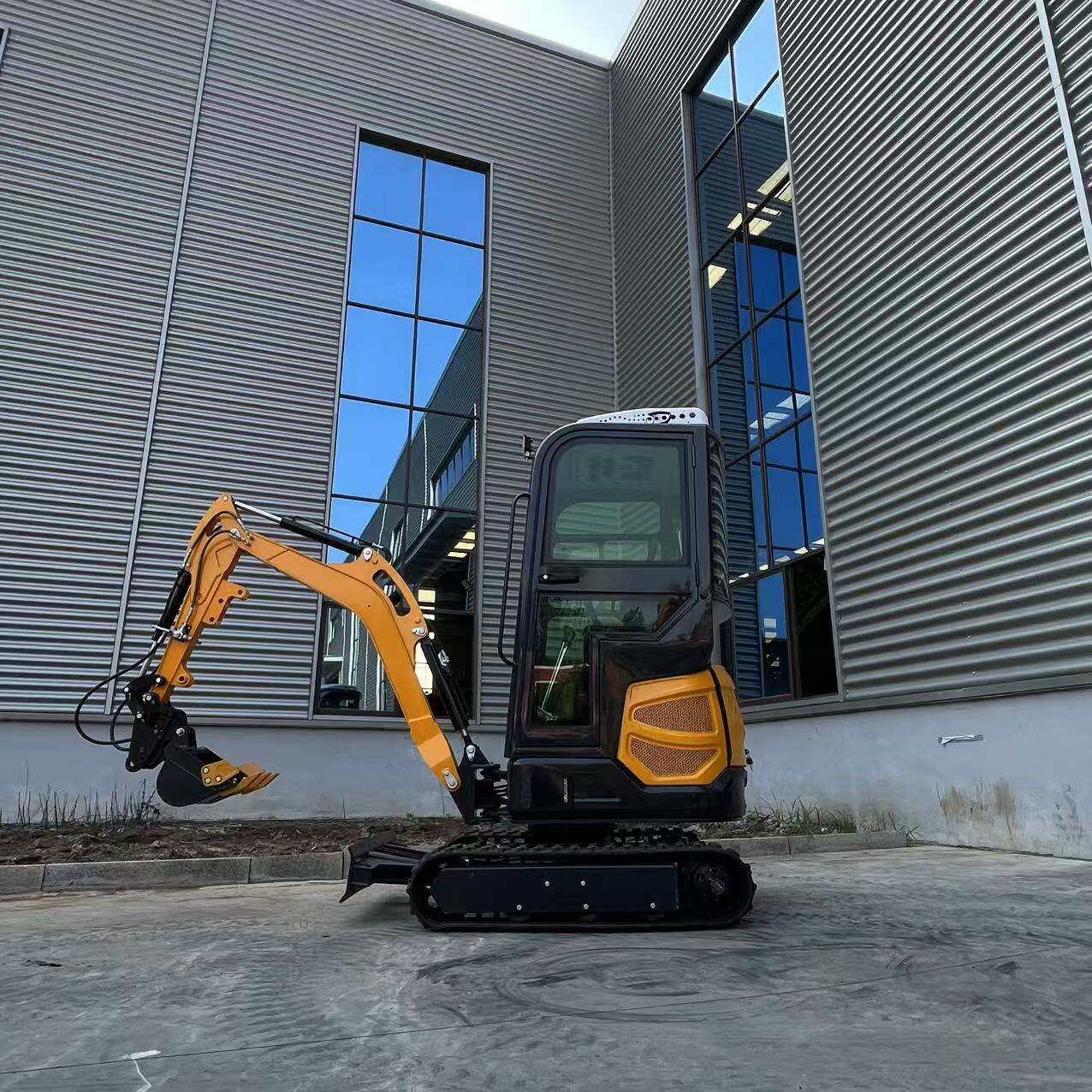
What CE Marking Means for Excavators in the EU
The Machinery Directive (2006/42/EC) and Key 2023 Updates Affecting Excavator Compliance
The Machinery Directive 2006/42/EC lays down strict safety rules for excavators sold within the European Economic Area. The directive demands thorough work during design, production, and testing phases to tackle various dangers faced by operators. These include things like machine collapse, excessive noise levels, and problems with hydraulic systems. Recent changes in 2023 have made paperwork requirements tougher. Manufacturers now need to clearly state how they handle security issues in their electronic control systems and must back up claims about structural durability through proper testing records. This reflects a bigger trend towards ensuring machines can withstand heavy usage over many years without compromising safety standards.
Why CE Is Mandatory — Not Optional — for All New Excavators Placed on the EEA Market
The CE mark isn't something manufacturers can skip when bringing new excavators into the EEA market—it's actually required by law. Equipment without proper markings simply won't pass through customs or get approved for operation anywhere in the EU or EFTA countries. The whole system comes from the EU's New Legislative Framework designed to keep safety standards consistent no matter where construction happens. Companies that ignore these requirements risk serious trouble. Enforcement agencies can pull products off shelves, force recalls, and hit violators with penalties well over half a million euros each time they break the rules. For contractors working on sites with unmarked machinery, there are real headaches ahead too. Projects might stall unexpectedly, contracts could lead to lawsuits, and worst case scenario? Criminal charges under Regulation (EU) 2019/1020 if things go really wrong.
Critical Safety Requirements Every CE-Compliant Excavator Must Meet
Structural Integrity: ROPS/FOPS Certification and Roll-Over Protection Testing
For excavators that meet CE standards, manufacturers need to include both ROPS (those roll-over protective structures) and FOPS (falling object protection systems) that have passed ISO 3471:2008 certification. The testing process isn't just paperwork either. These safety systems go through rigorous checks involving actual simulated rollovers and impacts equivalent to dropping a 1,000 kg weight at 4 meters per second. All this is done to make sure there's enough space inside the cabin for operators to survive even when subjected to energy loads around 15 kilojoules. The frames themselves have to handle forces over 2.5 times what they normally experience during operation without bending or breaking badly. They also need to stay stable when tilted back at angles reaching 55 degrees and support weights as high as 2.4 metric tons sitting still on them. Considering that nearly half (about 42%) of all deaths related to heavy machinery happen because of rollovers according to EU-OSHA data from 2023, getting proper certification isn't just good practice but absolutely essential for keeping workers safe out in the field.
Operational Safety: Emergency Stop Systems, Noise Limits (¤ 94 dB), and Emission Controls
The operational safety features incorporate multi stage emergency stops capable of isolating both hydraulic and power systems within just 0.8 seconds, and these stops are conveniently located at every operator position around the machine. When it comes to noise levels, equipment cannot produce more than 94 decibels at one meter distance according to EN ISO 4871:2009 standards. This limit is important because prolonged exposure can lead to hearing damage, something that already impacts roughly a quarter of construction workers across Europe as reported by EU OSHA in their 2022 findings. For controlling emissions, manufacturers now need to install Stage V diesel engines equipped with built in particulate filters. These filters cut down on fine particle pollution (PM2.5) by nearly all compared to older Stage III versions. Modern machines also come with onboard sensors constantly checking what's coming out of the exhaust pipe. If nitrogen oxides go above 0.015 grams per kilowatt hour or hydrocarbon levels rise past 0.4 grams per kilowatt hour, the system automatically shuts down. Failure to meet these requirements could result in hefty penalties reaching as high as 50,000 euros for each violation under EU Directive 2006/42/EC.
How Excavator Manufacturers Achieve and Document CE Compliance
Building the Technical File: Risk Assessment, Test Reports, and Harmonized Standard References
For compliance with Directive 2006/42/EC, manufacturers need to put together comprehensive technical files showing their equipment meets all necessary standards. These files should contain thorough risk assessments that look at potential dangers like machine rollover incidents, crushing hazards during operation, and excessive noise levels. Each identified risk needs proper documentation explaining how designers have addressed them either through structural changes or added safety features. The technical file also needs to include certified testing results from recognized labs confirming things like ROPS/FOPS protection effectiveness, acceptable noise output levels, and proper functioning of emission controls. Industry professionals typically reference key standards such as EN ISO 12100 which covers general risk assessment methods, and EN 474-1 specifically dealing with safety requirements for earth moving machines. Remember that these files aren't static documents but living records requiring annual updates throughout the product's life cycle. Companies must keep them on file for at least ten years even after manufacturing has stopped, just in case any questions arise later about compliance history.
EU Declaration of Conformity and When a Notified Body Review Is Required
The EU Declaration of Conformity, or DoC, serves as a legal document from manufacturers stating they meet all relevant EU regulations. When preparing one, it needs to include specifics like the exact excavator model being certified, which harmonized standards apply, plus details about any Notified Body involved in the process. Hydraulic excavators fall into a special category here since they're considered high risk equipment according to Annex IV of the Machinery Directive. That means getting approval from a Notified Body becomes absolutely necessary. These independent experts check everything from initial design specs to actual product tests and conduct regular factory inspections to make sure standards stay met over time. Importantly, every DoC should contain the unique ID number of the Notified Body used. Anyone can look this up online through the European Commission's NANDO database to verify authenticity.
How Buyers Can Verify CE Compliance for a Specific Excavator Model
The verification process involves three main checks that need to happen together. Start by looking at the machine itself for the CE mark. This needs to be clearly visible somewhere on the equipment, easy to read with letters at least 5mm tall, and attached so it can't come off easily. Next step is getting hold of the EU Declaration of Conformity straight from the manufacturer. This document should list the specific model number, reference applicable standards like EN 474-1, and mention if any third party certification body was part of the process. Finally, check that there's a full technical file available somewhere. This includes proper testing certificates for safety features like ROPS or FOPS, noise level documentation showing emissions below 94 dB, detailed risk evaluations, and instructions for regular maintenance. To be absolutely sure everything checks out, look up the Notified Body's identification number in the European Commission's NANDO database and confirm their current accreditation status. Missing any of these verification points could lead to serious problems down the road, both legally speaking under Regulation (EU) 2019/1020 and operationally when things go wrong in the field.
FAQ
Why is CE marking mandatory for excavators in the EU?
CE marking is mandatory for excavators in the EU to ensure that they comply with the necessary safety and environmental standards as set by the Machinery Directive and other relevant EU regulations. Without this marking, products cannot legally enter the EU or EFTA markets.
What are the key updates in the 2023 Machinery Directive for excavators?
The key updates involve stricter documentation requirements, addressing security issues in electronic control systems, and providing test data to substantiate structural durability claims. There is also an emphasis on ensuring long-term machine safety and endurance under the updated guidelines.
How can buyers verify if an excavator is CE compliant?
Buyers can verify CE compliance by checking for the CE mark on the excavator, obtaining the EU Declaration of Conformity from the manufacturer, and ensuring there is a comprehensive technical file with proper test certificates and maintenance instructions.